
Health 03/12/2025 11:06
He thought it was just an allergy, until the diagnosis proved otherwise
Dermatitis is a relatively common skin condition. Although it is neither life-threatening nor contagious, it can still cause significant discomfort, persistent itching, and cosmetic concerns. The condition may appear in individuals of any age, especially those with allergic tendencies or sensitive skin.
Among the wide range of causes, the three most frequently seen types of dermatitis are Allergic Dermatitis, Contact Dermatitis, and Seborrheic Dermatitis.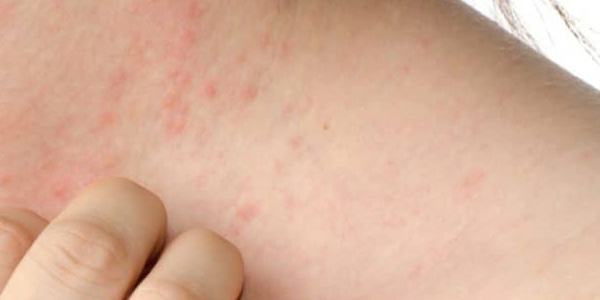
Dermatitis in Medicine
Dermatitis refers to inflammation of the skin and can arise from various internal or external factors. It manifests in several forms, but most cases share a classic set of symptoms: an itchy rash on swollen, red, and irritated skin.
As the inflammation progresses, affected areas may develop blisters, oozing lesions, crusting, or peeling. For example, allergic dermatitis (commonly known as eczema) can produce dandruff-like flakes and uncomfortable rashes triggered by exposure to substances such as poison ivy, soaps, detergents, or nickel-containing jewelry.
Although dermatitis is not contagious, chronic itching and recurrent flare-ups can greatly affect daily comfort and emotional well-being. A combination of proper skin care, lifestyle adjustments, and medical treatment can effectively manage most forms of dermatitis.
Symptoms of Dermatitis
Symptoms vary depending on the specific type of dermatitis:
1. Allergic Dermatitis (Eczema)
Eczema often begins in early childhood. It typically appears as red, itchy patches in areas such as:
-
the inner elbows
-
behind the knees
-
the front of the neck
Persistent scratching can lead to oozing, crusting, and thickening of the skin. Individuals may experience cycles of flare-ups followed by periods of improvement, sometimes triggered by weather changes, stress, or irritants.
2. Contact Dermatitis
This occurs when the skin reacts to an irritant or allergen. A rash develops on the area that touches substances like:
-
poison ivy
-
harsh soaps
-
fragrances
-
essential oils
-
certain metals
The affected area may feel burning, stinging, or intensely itchy, and blisters may appear in more severe cases.
3. Seborrheic Dermatitis
Seborrheic dermatitis causes inflamed, scaly patches that often resemble dandruff. It tends to affect oil-producing areas such as:
-
the face
-
the scalp
-
the upper chest
-
the back
The condition may persist long term, with symptoms improving and worsening depending on environmental or hormonal factors. In infants, seborrheic dermatitis appears as “cradle cap,” characterized by thick, yellowish scales on the scalp.
If you notice additional unusual skin symptoms or persistent irritation, it is advisable to seek medical guidance for proper diagnosis.
Causes of Dermatitis
Dermatitis can be triggered by a combination of genetic, environmental, and immunological factors. Common contributing elements include allergies, underlying health conditions, stress, and exposure to irritants.
Allergic Dermatitis (Eczema)
This form is often linked to:
-
genetic predisposition
-
dry or sensitive skin
-
immune system overreaction
-
imbalance of skin bacteria
-
environmental influences such as climate or allergens
Contact Dermatitis
This occurs when the skin comes into direct contact with irritating substances, including:
-
poison ivy or other plants
-
nickel-containing metal
-
detergents and cleaning products
-
perfumes and cosmetics
-
preservatives in creams, lotions, and personal care items
Seborrheic Dermatitis
This condition is believed to involve a reaction to yeast that naturally lives on oily areas of the skin. Many people notice seasonal changes, with flare-ups becoming more common during cold, dry weather or periods of stress.
Treatment of Dermatitis
Treatment varies depending on the type and severity of symptoms. Most cases benefit from a combination of medical treatments and lifestyle modifications. Common approaches include:
-
Topical corticosteroid creams or ointments to reduce inflammation
-
Immunomodulating creams or lotions (calcineurin inhibitors) to control immune responses
-
Light therapy, using controlled exposure to natural or artificial UV light
-
Avoiding known irritants, maintaining good skin hydration, and adopting gentle skincare routines
-
Managing stress and environmental triggers to help minimize flare-ups
Dermatitis can often be controlled effectively with early diagnosis and proper treatment, helping individuals maintain healthier, more comfortable skin.
News in the same category

8 Warning Signs of Colon Cancer You Should Never Ignore

Study: nearly all heart attacks and strokes linked to 4 preventable factors

Stop adding butter — eat these 3 foods instead for faster weight loss

How Water Fasting Regenerates The Immunity, Slows Down Aging And Lowers The Risk Of Heart Attacks

Better Than Medicine? The Shocking Truth About Dates & Blood Sugar!

Take lemon and garlic on an empty stomach for 7 days — unclog your arteries

Knee Cartilage Crisis? 7 Foods That Rebuild Cushion, Crush Pain, and Restore Strides in 30 Days

Banana Peels: The Kitchen Scrap That Banishes Gray Hair Forever

3 Powerful Drinks to Keep Your Legs Strong, Steady, and Full of Life

The Best Ways to Lower Blood Sugar Fast: What Science Really Says
Scientists reverse tissue calcification with just one supplement (not vitamin K2!)

Signs of kidney failure that if ignored may require lifelong dialysis!

The effortless daily trick people use to double their potassium

Aspirin saves lives— but here’s what most people still get wrong about it

The top 10 foods people use to keep their blood sugar steadier

7 powerful anti-cancer foods you should start including in your diet

If Your Kidneys Are in Danger, the Body Will Show these 10 Signs

Top 8 Foods for Stronger Legs (Seniors, Eat Daily!)
News Post
The Daily Drink That Helps Clear Blocked Arteries Naturally
Health 03/12/2025 17:54

12 Benefits of Bull Thistle Root and How to Use It Naturally
Garden Healthy 03/12/2025 17:50
8 Warning Signs of Colon Cancer You Should Never Ignore
Health 03/12/2025 17:36

Explore Canada from Coast to Coast by Train for Just $558 🇨🇦: A 3,946-Mile Adventure Through Stunning Landscapes
Facts 03/12/2025 17:33

Golden Snub-Nosed Monkeys: A Glimpse of Wild Beauty in the Misty Mountains of China
Facts 03/12/2025 17:31

Understanding the Extended Recovery Journey After Pregnancy
Facts 03/12/2025 17:28
Study: nearly all heart attacks and strokes linked to 4 preventable factors
Health 03/12/2025 17:22

4 Things You Should Never Throw Away After a Funeral — And Why They Matter More Than You Realize
Facts 03/12/2025 16:46
Stop adding butter — eat these 3 foods instead for faster weight loss
Health 03/12/2025 16:44

Chicken Eggs with Mugwort: Highly Beneficial but Certain People Should Avoid Them
News 03/12/2025 16:21

Watercress: The World’s Top Anti-Cancer Vegetable You Can Find in Vietnamese Markets
News 03/12/2025 16:20

4 Plants That Snakes Absolutely Love — Remove Them Immediately to Keep Your Home Safe
News 03/12/2025 16:17

The 4 “Golden Hours” to Drink Coffee for Maximum Health Benefits — Cleaner Liver, Better Digestion, Sharper Mind
News 03/12/2025 16:15

Don’t Rip This Out — Treat It Like Gold Instead. Here’s Why.
News 03/12/2025 16:13

Say Goodbye to Bare Branches: Revive Your Christmas Cactus Blooms with These Expert-Backed Hacks
News 03/12/2025 16:10

Were You Aware of This? A Surprisingly Simple Spoon Trick Can Stop Mosquito Bite Itching
News 03/12/2025 16:07

You’re Doing It All Wrong — Here’s the Right Way to Clean Your Windows
News 03/12/2025 16:02

After Almost a Decade, Tennessee Zoo Celebrates Arrival of Newborn Gorilla
Facts 03/12/2025 15:34

The Tiny Bacterium That Turns Toxic Metal Into Pure 24-Karat Gold
Facts 03/12/2025 15:30

How to get rid of urinary tract infections completely naturally according to science
Tips 03/12/2025 14:59