Low Blood Pressure: When Dizziness Becomes Dangerous
Health 17/12/2025 16:35
High blood pressure, also known as hypertension, is often called the silent killer — not because it is rare, but because it frequently causes serious damage without producing obvious symptoms. Millions of people live with elevated blood pressure for years without realizing it, allowing gradual harm to occur throughout the body.
Understanding how high blood pressure silently affects your organs is essential for early prevention, timely treatment, and long-term health protection.

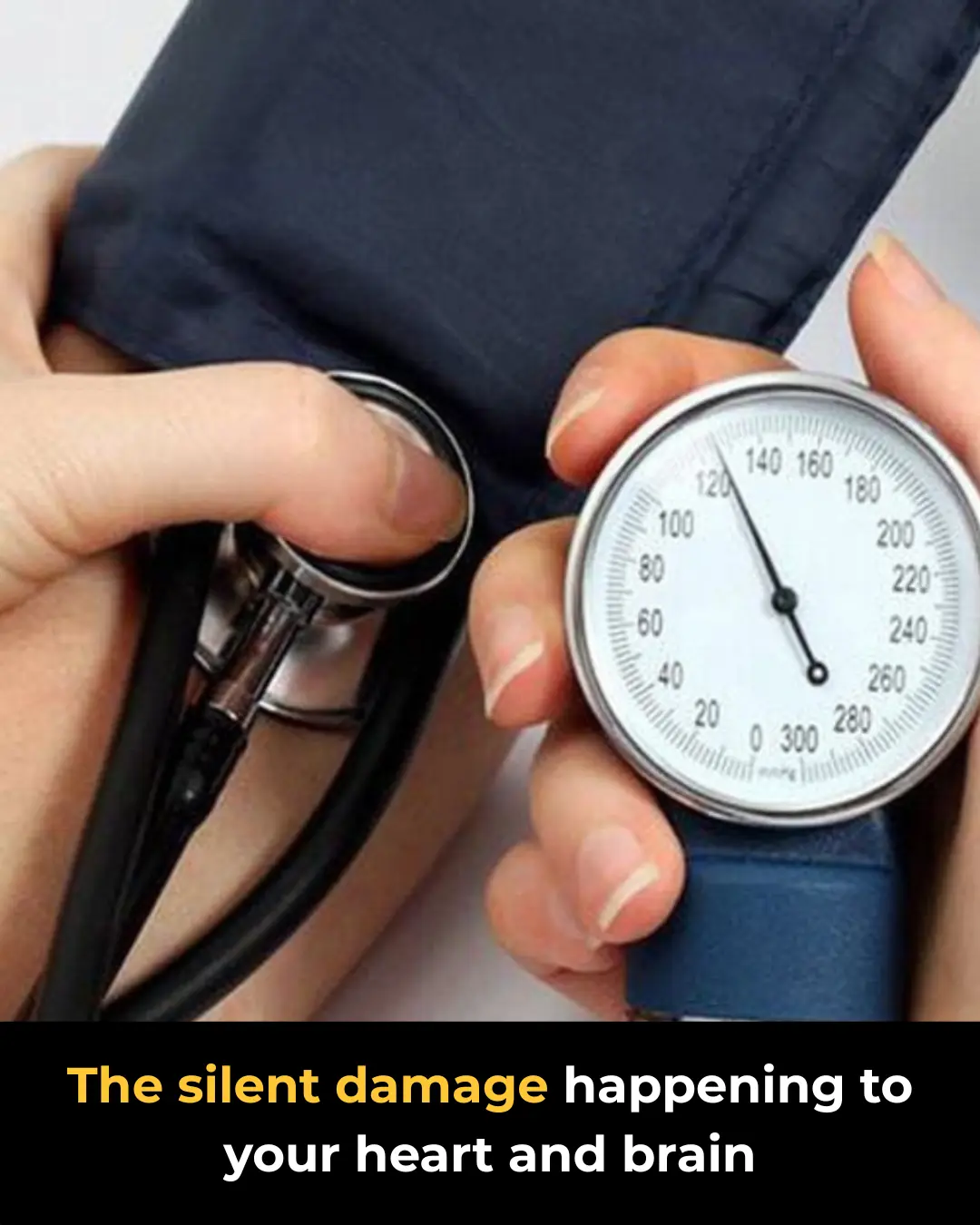
Blood pressure measures the force of blood pushing against the walls of your arteries. When this pressure stays consistently high, the arteries become strained, stiff, and damaged over time.
A normal blood pressure reading is typically around 120/80 mmHg. Hypertension is usually diagnosed when readings repeatedly reach 130/80 mmHg or higher.
Because the condition develops slowly, many people feel completely normal — even while damage is actively occurring inside their body.
High blood pressure does not attack one organ at a time. Instead, it places continuous stress on the entire circulatory system, affecting nearly every major organ.
The danger lies in its long-term impact, not sudden pain or discomfort.
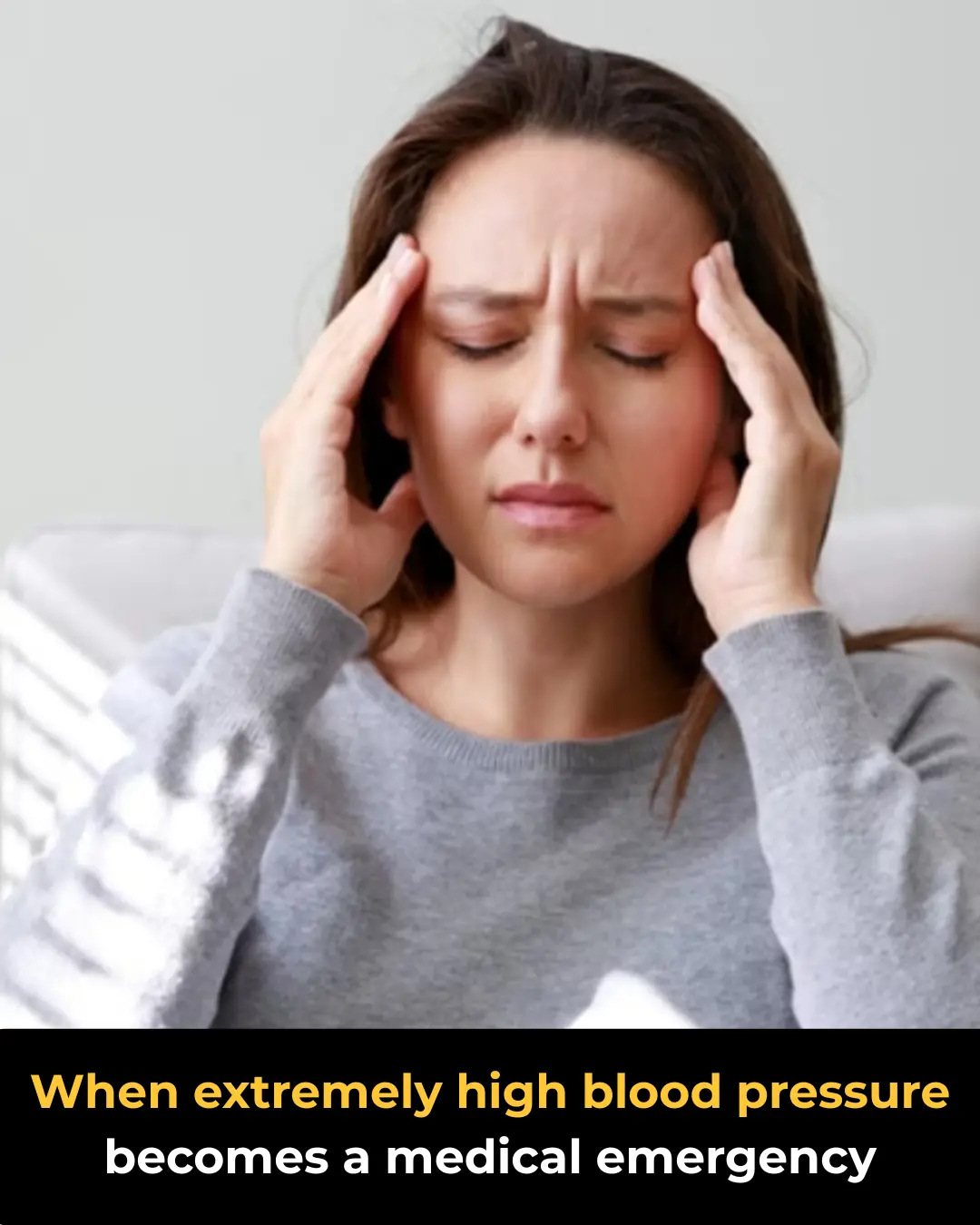
Although hypertension is often symptom-free, some subtle warning signs may appear — especially as damage progresses:
Frequent headaches, particularly in the morning
Dizziness or lightheadedness
Fatigue without clear cause
Blurred vision or visual disturbances
Ringing in the ears
Shortness of breath during mild activity
These symptoms are often dismissed or blamed on stress, aging, or lack of sleep, allowing high blood pressure to continue unchecked.
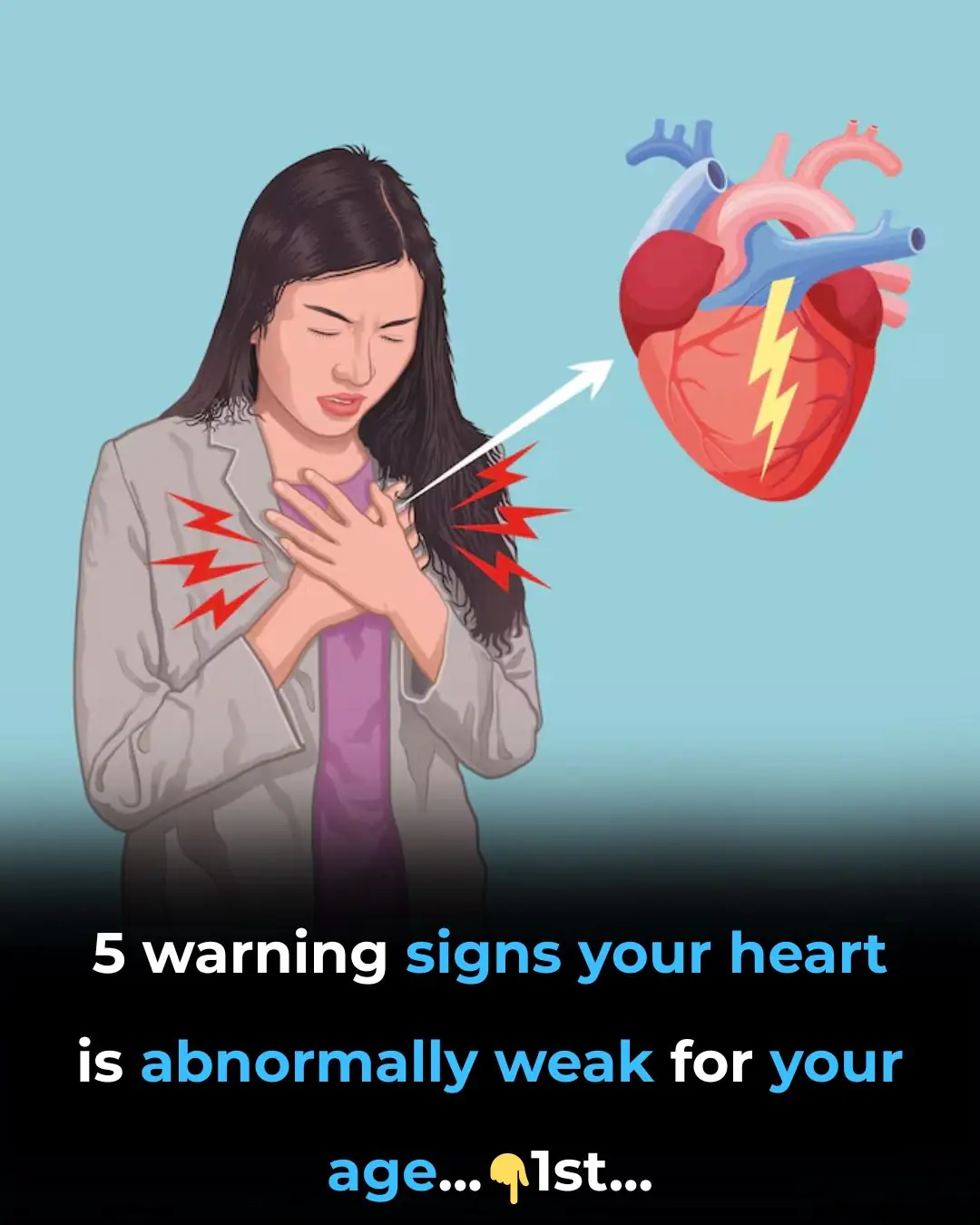
The heart must work harder to pump blood against increased resistance. Over time, this leads to:
Thickening of the heart muscle
Reduced pumping efficiency
Increased risk of heart failure
Higher chance of heart attacks
The heart becomes strained not from sudden overload, but from years of constant pressure.
High blood pressure is one of the strongest risk factors for stroke. It can:
Weaken blood vessels in the brain
Increase the risk of clots or bleeding
Reduce blood flow to brain tissue
Contribute to memory problems and cognitive decline
Even without a stroke, chronic hypertension can slowly impair brain function.
The kidneys filter waste from the blood, relying on healthy blood vessels to function properly. High blood pressure can:
Damage tiny filtering units in the kidneys
Reduce kidney efficiency
Lead to chronic kidney disease
Eventually cause kidney failure
In many cases, kidney damage is discovered only through blood or urine tests.
The delicate blood vessels in the eyes are especially vulnerable. Prolonged hypertension may cause:
Damage to retinal blood vessels
Blurred or distorted vision
Increased risk of vision loss
This damage can occur without noticeable eye pain.
High blood pressure accelerates artery stiffening and narrowing, which can lead to:
Poor circulation
Increased risk of aneurysms
Higher likelihood of peripheral artery disease
Once arteries lose their flexibility, the risk of cardiovascular events rises sharply.
You may be at higher risk if you:
Consume excess salt regularly
Live a sedentary lifestyle
Experience chronic stress
Are overweight
Smoke or drink alcohol frequently
Have a family history of hypertension
Age also plays a role, but high blood pressure is increasingly common in younger adults.
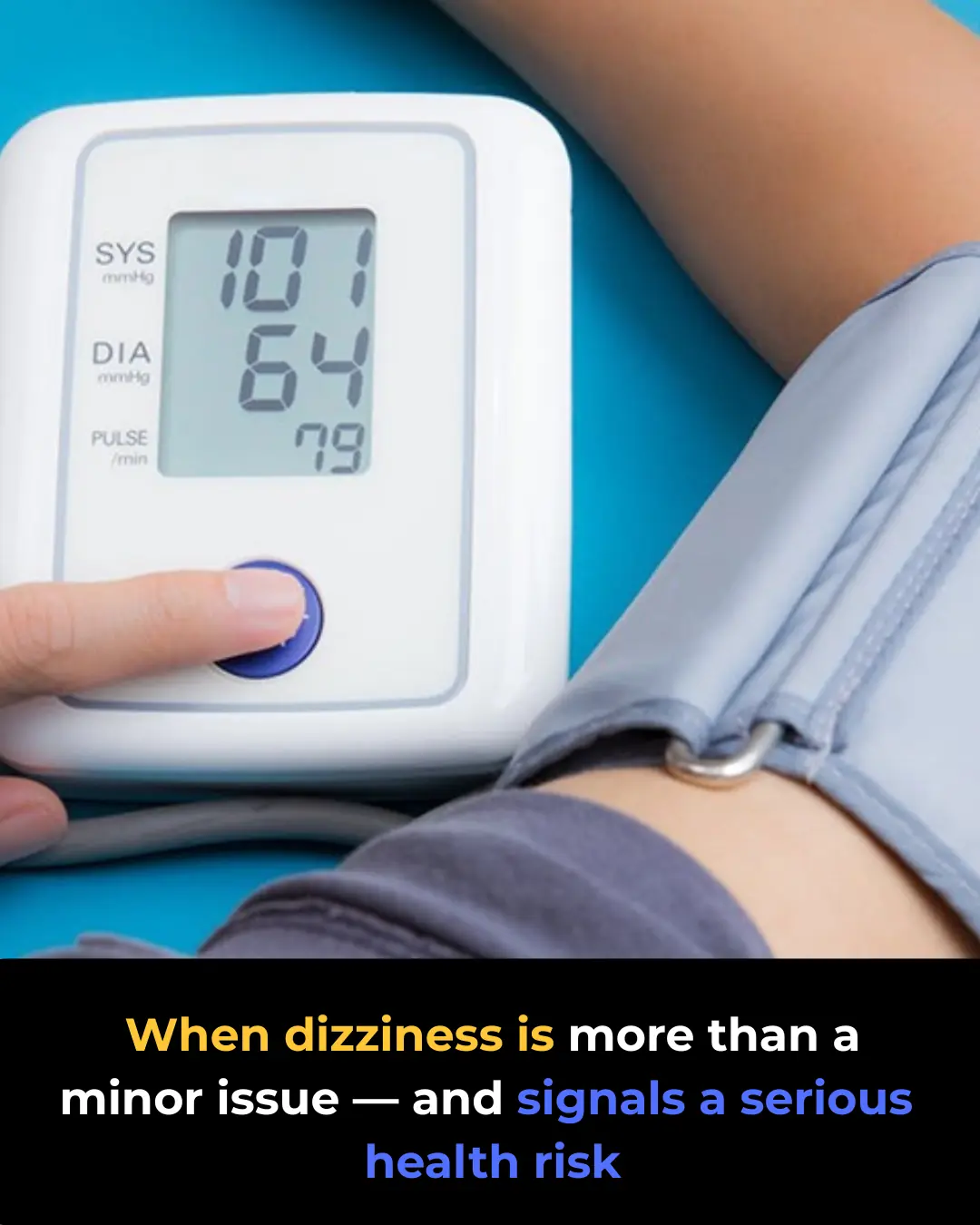
Because hypertension often has no symptoms, measuring blood pressure regularly is the only reliable way to detect it early.
Home blood pressure monitors, routine checkups, and lifestyle awareness are key tools in preventing long-term damage.
Yes. While hypertension is often a lifelong condition, it can be effectively managed through:
Balanced nutrition
Reduced salt intake
Regular physical activity
Stress management
Medical treatment when needed
Early action significantly reduces the risk of serious complications.
High blood pressure rarely announces itself — but its consequences can be severe and lasting. The absence of symptoms does not mean the absence of damage.
Taking blood pressure seriously, even when you feel fine, is one of the most important steps you can take to protect your heart, brain, kidneys, and overall health.