High Blood Pressure: Silent Symptoms That Damage Your Body
Health 17/12/2025 16:40
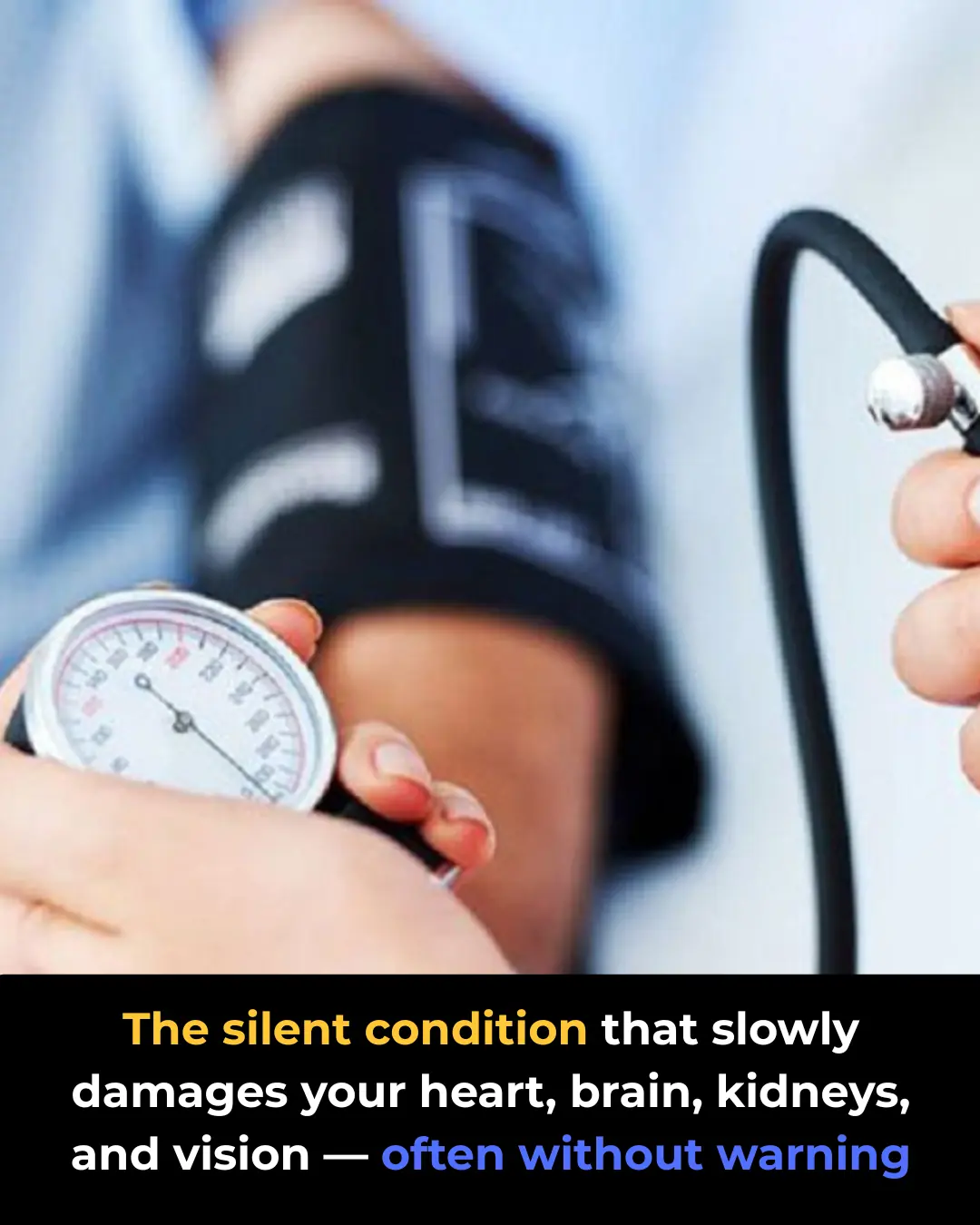
High blood pressure is often called a “silent killer” — but when it suddenly rises to extreme levels, it becomes loud, dangerous, and life-threatening. This condition is known as a hypertensive crisis, and it requires immediate medical attention.
Many people delay seeking care because they mistake symptoms for stress, fatigue, or anxiety. Unfortunately, this delay can result in irreversible damage to the brain, heart, kidneys, or eyes.
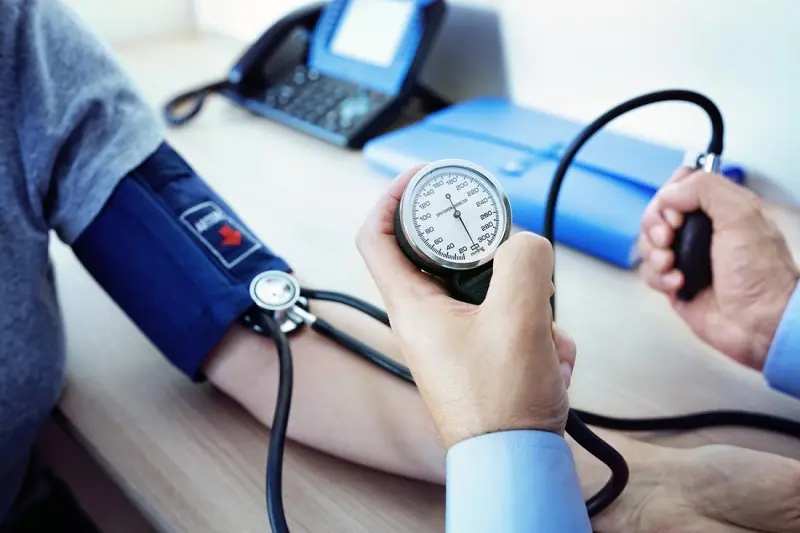
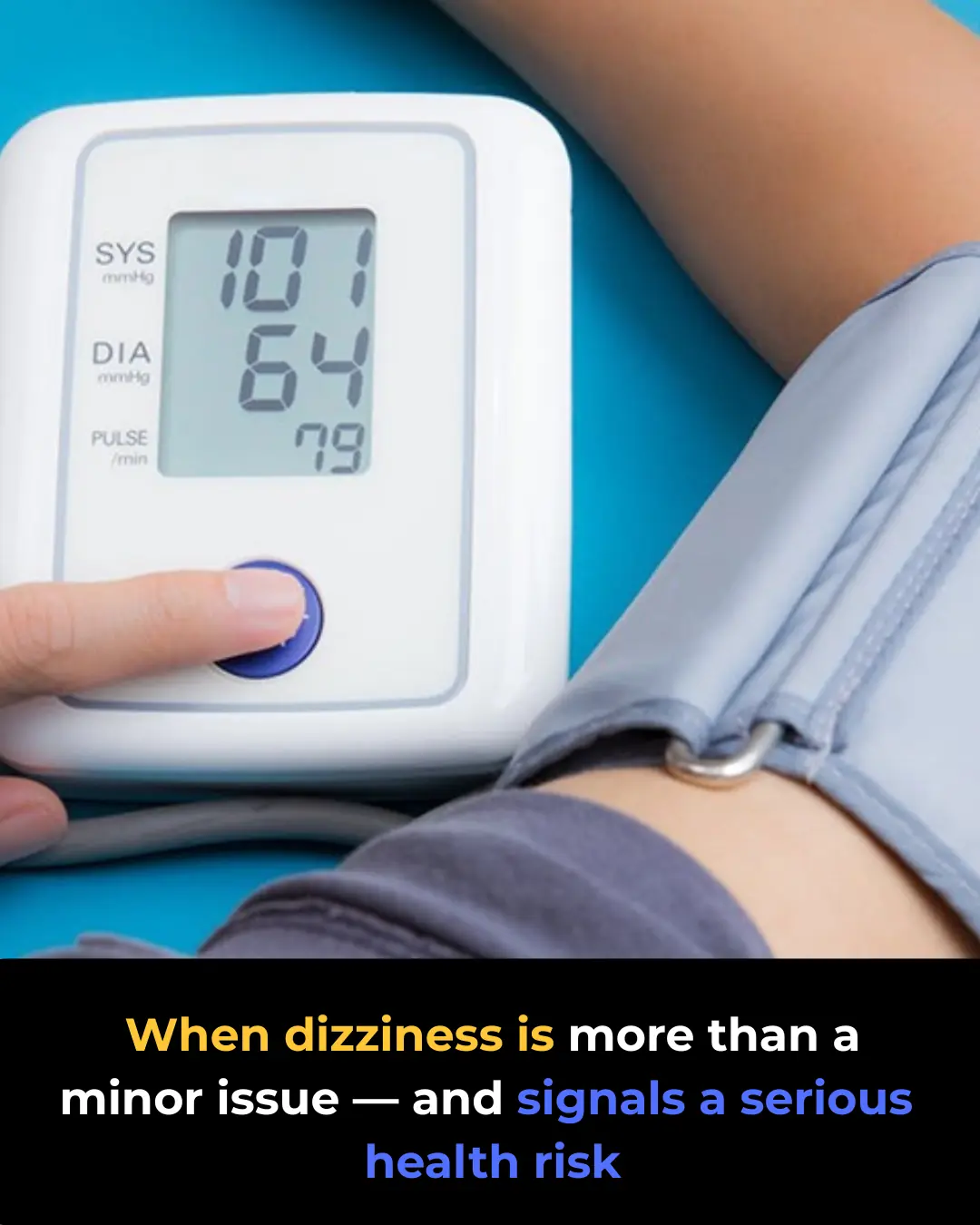
A hypertensive crisis occurs when blood pressure rises rapidly to 180/120 mmHg or higher.
There are two types:
Hypertensive urgency – Extremely high blood pressure without immediate organ damage
Hypertensive emergency – High blood pressure with signs of organ damage
Both situations are serious, but hypertensive emergency is life-threatening and requires immediate hospitalization.
When blood pressure rises too high, it puts overwhelming force on blood vessel walls. This pressure can cause:
Blood vessel rupture
Reduced blood flow to organs
Acute organ failure
The body cannot adapt quickly enough to these extreme changes, which is why damage can occur within hours — or even minutes.
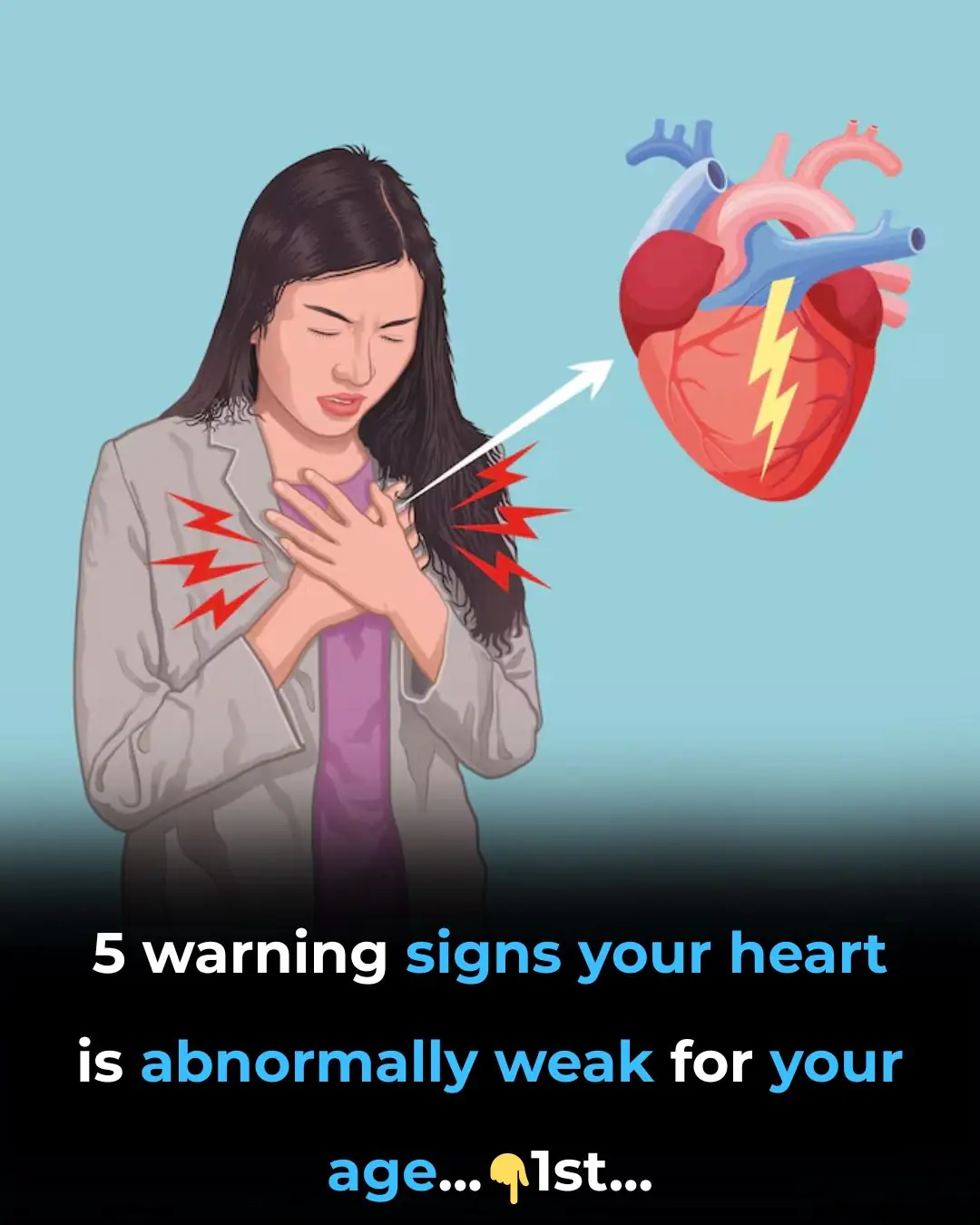
Symptoms of a hypertensive crisis can appear suddenly or escalate over time. Common warning signs include:
Severe headache
Chest pain or pressure
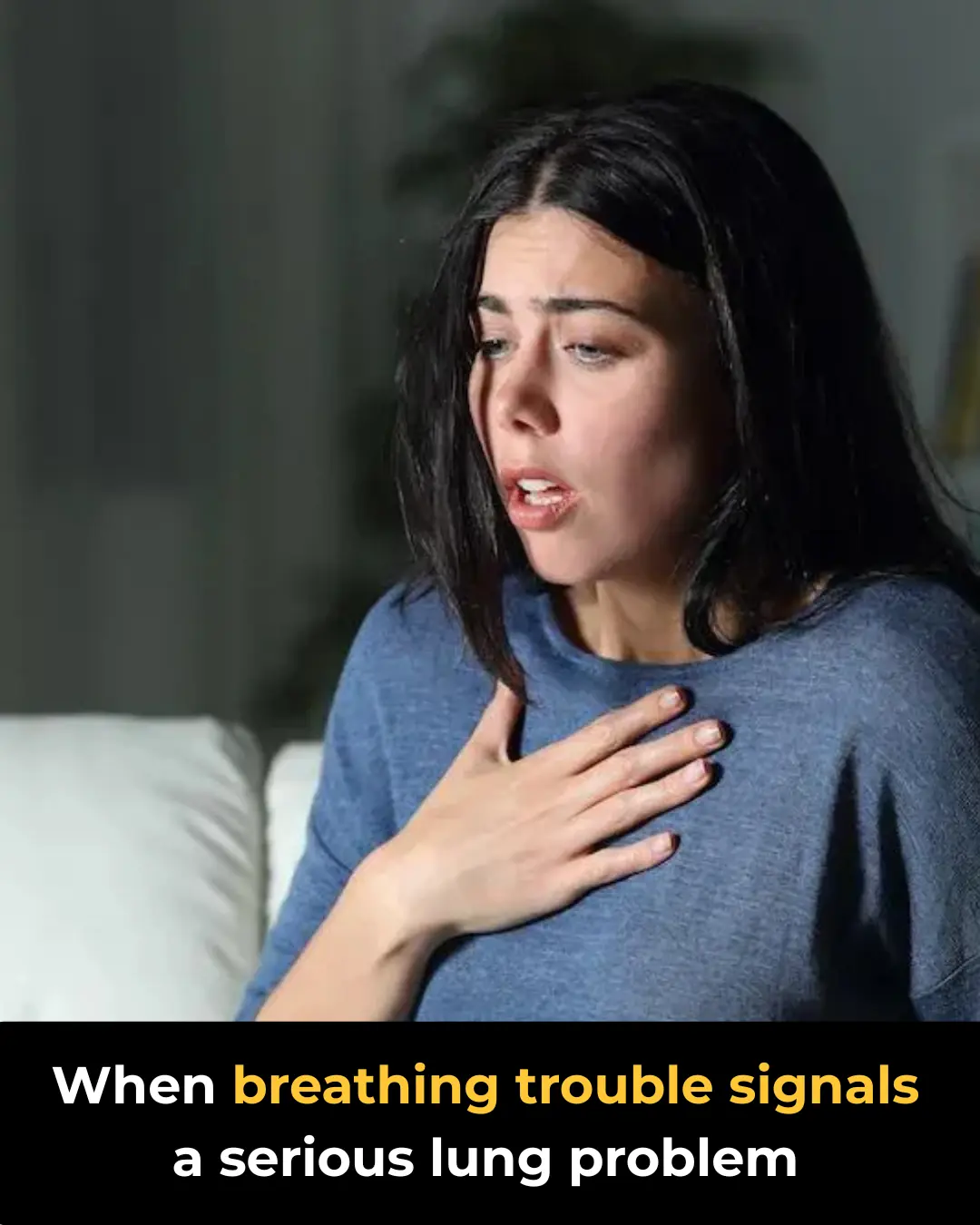
Shortness of breath
Blurred or lost vision
Confusion or difficulty speaking
Nosebleeds
Severe anxiety
Nausea or vomiting
Some people experience symptoms even before blood pressure reaches critical levels.
The brain is one of the first organs affected. Extremely high blood pressure can lead to:
Stroke
Brain swelling
Loss of consciousness
Seizures
If symptoms such as confusion, slurred speech, or sudden weakness occur, emergency care is essential.
The heart must work harder against extreme pressure, increasing the risk of:
Heart attack
Heart failure
Aortic dissection (a tear in the main artery)
Chest pain during a hypertensive crisis should always be treated as an emergency.
High blood pressure can damage the delicate blood vessels in the eyes, leading to:
Blurred vision
Retinal bleeding
Permanent vision loss
Sudden changes in vision during a blood pressure spike should never be ignored.
The kidneys regulate blood pressure, but they are also vulnerable to damage from extreme pressure. A hypertensive crisis can cause:
Acute kidney failure
Reduced urine output
Dangerous fluid and electrolyte imbalances
Kidney damage may persist even after blood pressure is controlled.
A sudden spike in blood pressure can be caused by:
Skipping blood pressure medication
Severe stress or panic
Illegal drug use
Certain prescription medications
Kidney disease
Hormonal disorders
In many cases, people are unaware their blood pressure is poorly controlled until a crisis occurs.
You may be at increased risk if you:
Have uncontrolled or untreated hypertension
Do not take medication as prescribed
Have kidney disease
Smoke or use stimulants
Have a history of cardiovascular disease
Older adults and people with multiple health conditions face higher risks.
If blood pressure reads 180/120 mmHg or higher:
Sit calmly and rest for 5 minutes
Recheck your blood pressure
If it remains high with symptoms, seek emergency care immediately
Do not attempt to lower blood pressure rapidly at home without medical guidance.
In emergency settings, doctors use:
Intravenous medications
Continuous blood pressure monitoring
Organ function tests
Blood pressure is lowered gradually to prevent further damage.
Prevention relies on long-term control:
Take medications exactly as prescribed
Monitor blood pressure regularly
Reduce salt intake
Manage stress
Avoid smoking and stimulant substances
Consistent control is the most effective protection.
A hypertensive crisis is not just “very high blood pressure.” It is a medical emergency that can permanently damage vital organs or become fatal if ignored.
Recognizing the warning signs — and acting immediately — can save your life or the life of someone you love.