Man in Turkey Joins Search Party for Himself After Wandering into the Forest
Facts 17/12/2025 15:22
Natural Solution to Plaque: Vegetable-Derived DIM Could Revolutionize Dental Care
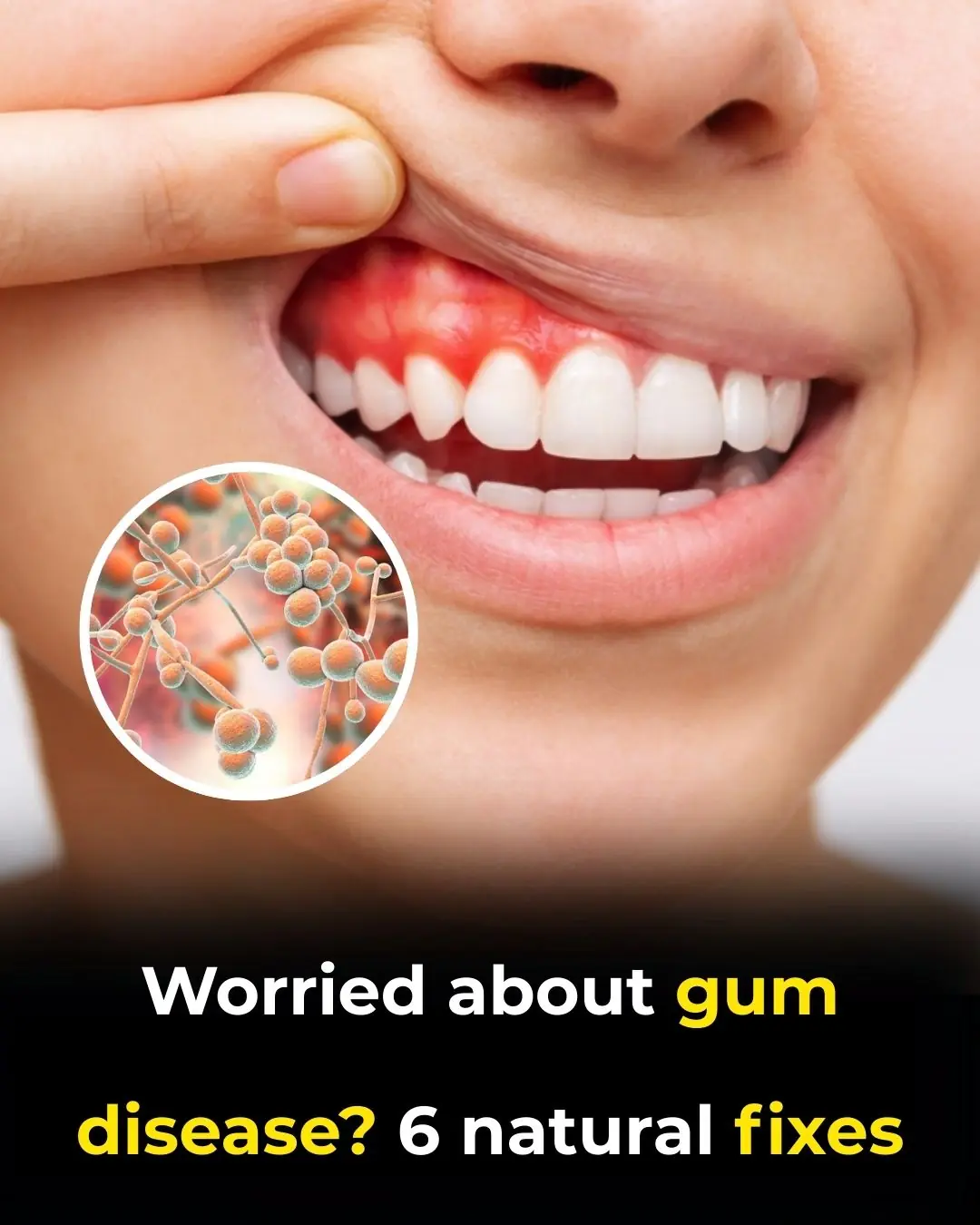
Plaque, the sticky biofilm that accumulates on teeth, is not only unsightly but also a major contributor to tooth decay and gum disease. It forms when bacteria in the mouth combine with food particles and saliva, producing acids that erode tooth enamel, leading to cavities and other oral health problems. Despite our best efforts with regular brushing, flossing, and professional dental visits, controlling plaque buildup has always been a challenge. However, recent research has uncovered a promising natural solution to this persistent issue: DIM, a compound derived from vegetables, which has shown the potential to eliminate up to 90% of harmful plaque biofilms.
A team of researchers at Ben-Gurion University in Israel, in collaboration with colleagues from China and Singapore, has discovered that DIM can effectively target Streptococcus mutans, the bacteria most responsible for causing cavities. DIM works by preventing these bacteria from multiplying and adhering to the surface of teeth, which significantly reduces plaque formation. In lab experiments, the compound demonstrated remarkable efficiency in disrupting plaque formation without the side effects typically associated with harsher chemical agents that are often found in conventional dental products.
What makes DIM particularly exciting is its additional anti-carcinogenic properties. DIM has been extensively studied for its potential in cancer prevention, particularly in relation to breast and prostate cancers. This vegetable-derived compound has shown promise in reducing the growth of cancerous cells, providing an added layer of benefit to its already impressive dental health properties. The possibility of incorporating DIM into dental products like toothpaste and mouthwash could offer dual benefits, enhancing both oral hygiene and overall health. By using a naturally occurring compound that has a proven track record of safety and efficacy, DIM presents a viable alternative to the synthetic chemicals found in many over-the-counter dental care products.
Incorporating DIM into daily oral hygiene routines could revolutionize the way we care for our teeth. Unlike conventional chemical agents, which may carry risks of irritation or long-term damage to the oral tissues, DIM is a plant-based, non-toxic solution. It could provide a more holistic, eco-friendly alternative to traditional dental care products. Furthermore, since DIM is derived from common vegetables, it holds the promise of making oral hygiene both safer and more accessible. Its incorporation into widely used dental care items could help prevent plaque buildup and reduce the risk of cavities, without relying on potentially harmful artificial ingredients.
The potential benefits of DIM in dental care are not limited to plaque control alone. As research continues, it is likely that new applications for this compound in the prevention of other oral diseases, such as gum disease and bad breath, will emerge. Additionally, its role as a natural anti-carcinogen may make it an attractive option for those seeking a safer, more natural way to maintain both oral and overall health.
This discovery marks a significant step forward in the field of oral hygiene. By utilizing a naturally occurring, plant-based compound like DIM, dental care could become safer, more effective, and better for the environment. This exciting development could eventually lead to a shift in how we approach oral health, moving away from chemical-laden products toward safer, vegetable-derived solutions.
As research into DIM and its various applications expands, experts continue to monitor its potential in revolutionizing the dental industry. With its ability to reduce plaque formation, prevent cavities, and potentially offer anti-cancer benefits, DIM is poised to become an important tool in the ongoing quest for better, more natural oral care solutions.
Sources:
Antibiotics (2023). "DIM's Role in Oral Health and Plaque Control."
National Institutes of Health (NIH), "DIM as an Anti-Cancer Agent," 2022.
Journal of Oral Health and Preventive Dentistry, "Plant-Derived Compounds for Oral Hygiene," 2023.
Ben-Gurion University of the Negev, "Innovative Research on DIM and Plaque Biofilms," 2023.