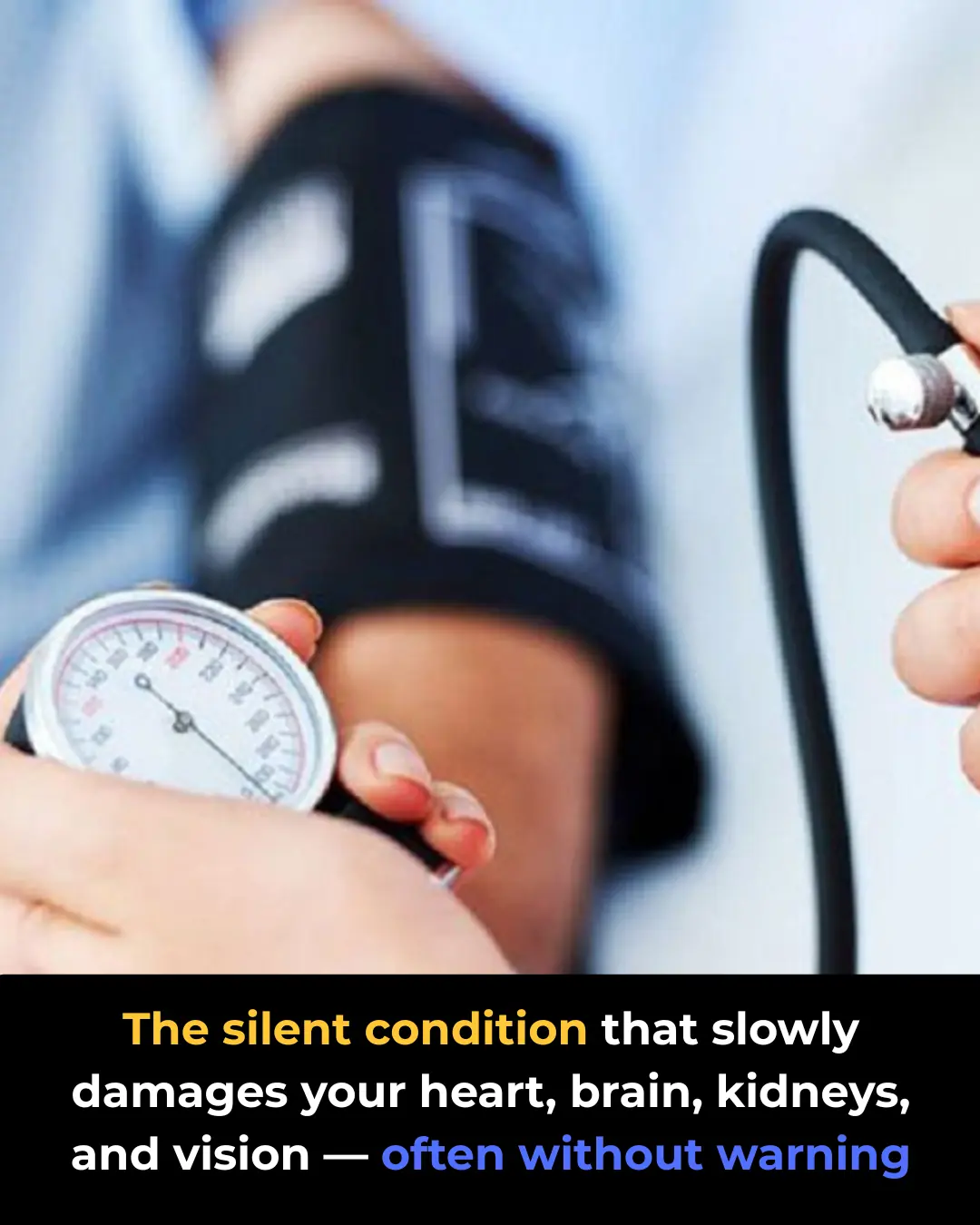
High Blood Pressure: Silent Symptoms That Damage Your Body
Health 17/12/2025 16:40
Shortness of breath is one of the most alarming sensations the human body can experience. While it can sometimes result from temporary causes like exertion or anxiety, persistent or unexplained breathlessness should never be ignored. In many cases, it is an early warning sign of serious lung disease — or even a medical emergency.
Understanding when shortness of breath is harmless and when it signals danger can save lives.
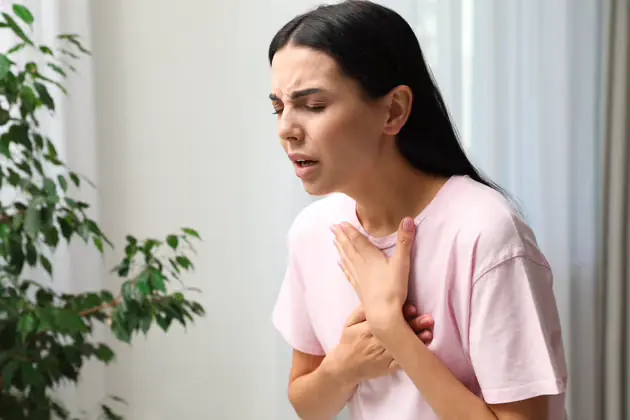
Shortness of breath, medically known as dyspnea, occurs when the lungs cannot deliver enough oxygen to meet the body’s needs.
People often describe it as:
Feeling unable to take a full breath
Tightness or pressure in the chest
Air hunger
Rapid, shallow breathing
This sensation is not a disease itself — it is a symptom of an underlying problem.
It is normal to feel breathless during:
Intense exercise
High-altitude exposure
Temporary anxiety
However, shortness of breath becomes abnormal when it:
Occurs at rest
Worsens over time
Appears suddenly without exertion
Interferes with daily activities
Happens while lying flat
These patterns often point to lung or heart disease.
Many serious lung disorders begin with subtle breathing changes.
Common causes include:
Chronic Obstructive Pulmonary Disease (COPD)
Asthma
Pulmonary fibrosis
Pneumonia
Pulmonary embolism
Lung cancer
Early symptoms may be mild, allowing disease progression before diagnosis.
Lung tissue lacks pain receptors. This means damage can occur silently.
Many people adjust unconsciously by:
Avoiding physical activity
Taking more frequent breaks
Breathing shallowly
These adaptations hide worsening lung function until the condition becomes severe.
Sudden breathlessness requires immediate attention.
Possible causes include:
Pulmonary embolism (blood clot in the lung)
Pneumothorax (collapsed lung)
Severe asthma attack
Acute pneumonia
Allergic reactions
These conditions can rapidly become life-threatening without prompt care.
Seek medical evaluation if shortness of breath is accompanied by:
Chest pain
Blue lips or fingertips
Persistent cough
Wheezing or crackling sounds
Fever
Coughing up blood
Rapid heart rate
These symptoms suggest impaired oxygen exchange.
Long-term breathing difficulty reduces oxygen delivery throughout the body.
This can lead to:
Chronic fatigue
Brain fog
Weakness
Poor exercise tolerance
Organ strain
The heart often compensates by working harder, increasing cardiovascular risk.
Breathlessness that worsens when lying flat may indicate:
Fluid accumulation in the lungs
Chronic lung disease
Heart-lung interaction problems
Needing multiple pillows to sleep comfortably is a common warning sign.
Anxiety-related breathlessness usually:
Comes with panic or fear
Improves with calming techniques
Does not worsen with physical exertion over time
Lung-related breathlessness tends to:
Persist regardless of mood
Worsen with activity
Gradually progress
Never assume breathlessness is “just anxiety” without evaluation.
To identify lung-related causes, doctors may order:
Chest X-rays
CT scans
Pulmonary function tests
Blood oxygen measurements
Blood tests
Early diagnosis significantly improves outcomes.
Higher-risk groups include:
Smokers and former smokers
Older adults
People exposed to air pollution or chemicals
Individuals with chronic respiratory conditions
People recovering from respiratory infections
Even non-smokers can develop serious lung disease.
Call emergency services if shortness of breath:
Starts suddenly
Worsens rapidly
Occurs with chest pain or fainting
Prevents speaking full sentences
These are medical emergencies.
Shortness of breath is never something to “push through.” While it may occasionally be harmless, it is often the body’s first alarm that the lungs are struggling.
Early recognition and timely medical care can prevent permanent lung damage — and save lives.