Large Navel Oranges vs Small Navel Oranges
Large Navel Oranges vs. Small Navel Oranges: How to Choose the Sweetest, Juiciest Fruit
When shopping for oranges, size alone doesn’t tell the whole story. One of the most overlooked clues to flavor is the navel — the small, button-like formation at the blossom end of the fruit. Paying attention to this detail can help you consistently pick oranges that are sweeter, juicier, and more enjoyable.

Understanding the Navel Difference
Large Navel Oranges
Oranges with a large, prominent navel often have a thick peel and a visible white membrane inside. When sliced open, they tend to contain fewer juice-filled segments and more pith. This structure can dilute flavor, resulting in fruit that tastes less sweet and sometimes slightly dry. Agricultural studies note that excessive rind thickness is often linked to lower juice content (USDA).
Small Navel Oranges
Oranges with a small, barely noticeable navel usually have thinner skin and denser flesh. These fruits are packed with well-developed segments that hold more juice and sugar. Citrus experts have long observed that compact navels are associated with better internal fruit quality and higher sweetness levels (University of California Citrus Research Center).
Key takeaway: A smaller, subtler navel is often a reliable sign of better sweetness and juiciness.
Expert Tips for Picking the Best Oranges
1. Look Closely at the Color
Color is one of the easiest ways to assess ripeness.
-
Deep, vibrant orange tones typically indicate the fruit received ample sunlight, which promotes natural sugar development.
-
Pale or greenish oranges may still be edible, but they are often less sweet and aromatic (USDA).
2. Examine the Shape
The overall shape of an orange offers hints about its interior.
-
Round and symmetrical oranges are usually plump and juicy.
-
Oval, lumpy, or wrinkled fruits may have thicker peel and drier flesh, especially if they’ve been stored too long (Consumer Reports).
3. Feel the Weight and Texture
Your hands can reveal what your eyes can’t.
-
Weight: A good orange should feel heavy for its size — a strong sign of high juice content.
-
Texture: Gently press the skin. Ripe oranges have slight elasticity. If the fruit feels rock-hard, it likely has a thick rind and less juice inside.
Quick Orange Selection Guide
| Feature | Best Indicator of Quality |
|---|---|
| Navel | Small and subtle |
| Color | Dark, rich orange |
| Shape | Round and plump |
| Weight | Heavy for its size |
| Texture | Slightly elastic, not hard |
Final Thoughts
Choosing great oranges isn’t just about grabbing the biggest or brightest fruit on the shelf. By checking the navel, assessing the color, and feeling the weight and texture, you can dramatically improve your chances of taking home oranges that are naturally sweet and bursting with juice. Next time you’re at the produce aisle, trust these simple cues — your taste buds will thank you.

News in the same category


Bee Venom Shows Promise in Destroying Aggressive Breast Cancer Cells in Under 60 Minutes

Dog Swept Away by Typhoon Floods in the Philippines Miraculously Finds His Way Home After Two Weeks

China Tests Jumbo-Sized Hypersonic Jet Reaching Mach 6.5, Redefining Ultra-Fast Air Travel

Snowball the Leucistic Alligator: A Rare Living Wonder Lost to Human Greed

Scientists Identify a Low-Cost, Widely Available Antidote That Could Reduce Cobra Venom Damage

China Uncovers a “Supergiant” Gold Deposit in Hunan, Potentially Reshaping Global Supply

Brain Pacemakers and Alzheimer’s: How Deep Brain Stimulation Could Slow Memory Loss

Your Breath Is a Biometric Signature: How Breathing Patterns Can Identify Individuals and Reveal Mental Health Clues

Tree-Climbing Crocodiles: New Research Redefines What We Know About Ancient Predators

Revolutionary Microneedle Patch Offers Hope for Natural Tooth Regrowth

Revolutionizing Communication: Danny Manu's Mymanu CLIK Breaks Language Barriers Worldwide

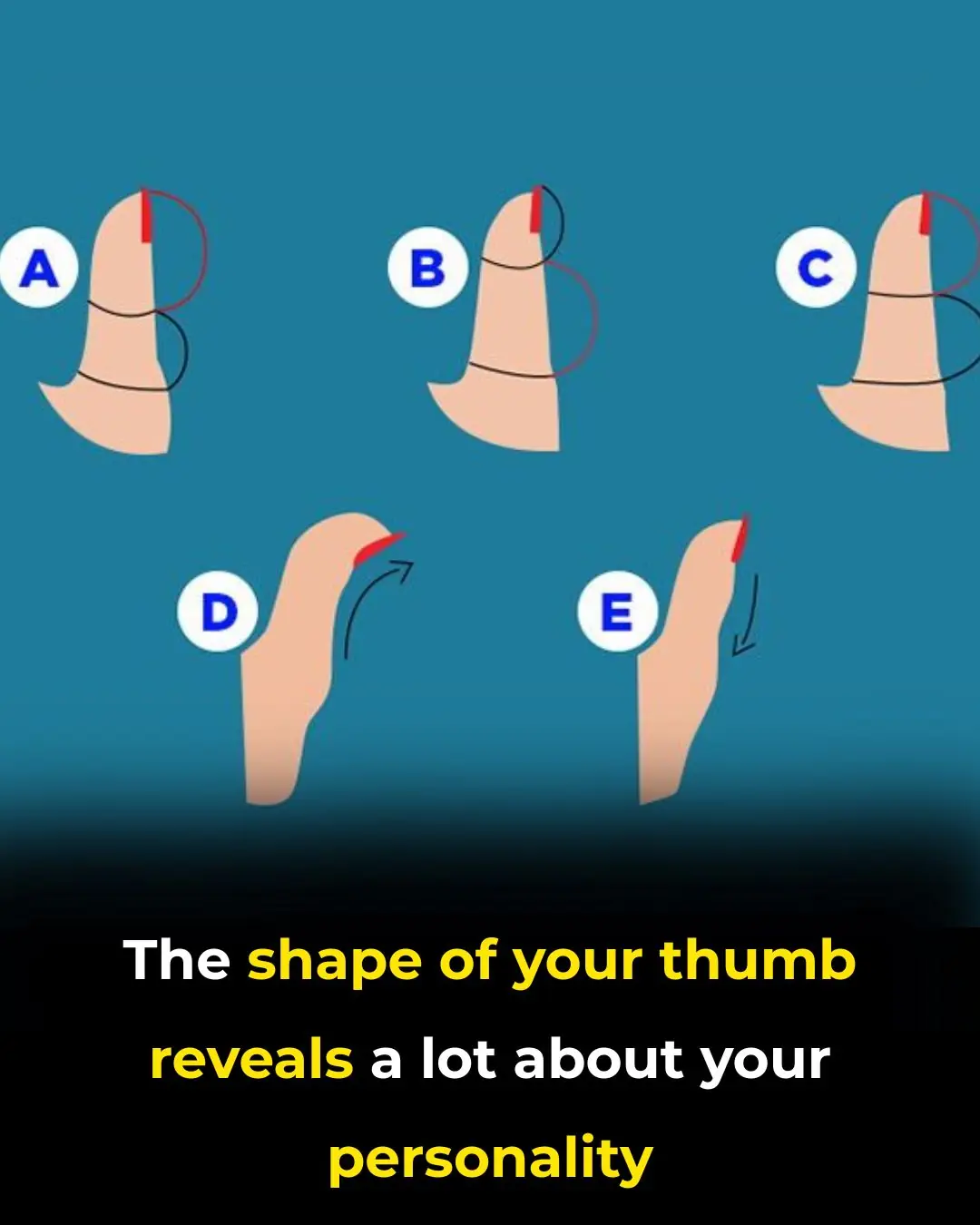
The Secrets Your Thumb Shape Reveals

Don’t Throw Away Rice Water

Say Goodbye to Swelling

Norway’s Unique Approach to Raising Confident and Healthy Children: A Deep Connection with Nature

Japan’s Bullet Trains: The Pinnacle of Precision and Passenger Respect

Singapore’s Supertrees: A Fusion of Architecture, Nature, and Clean Energy
News Post

Choose the Longest Line

1 shot to open arteries instantly (prevent heart attack & stroke)

The Mystery of the Blue Stop Sign

5 Ancient Ayurvedic Remedies That May Help Cleanse Clogged Arteries Naturally

Bee Venom Shows Promise in Destroying Aggressive Breast Cancer Cells in Under 60 Minutes

Dog Swept Away by Typhoon Floods in the Philippines Miraculously Finds His Way Home After Two Weeks

China Tests Jumbo-Sized Hypersonic Jet Reaching Mach 6.5, Redefining Ultra-Fast Air Travel

How to Grow Rosemary Abundantly at Home: Your Aromatic, Memory-Supportive Garden Ally

Blood pressure creeping up? 10 natural fixes before meds

What does it symbolize when a person who passed away appears in your dream

Snowball the Leucistic Alligator: A Rare Living Wonder Lost to Human Greed

Scientists Identify a Low-Cost, Widely Available Antidote That Could Reduce Cobra Venom Damage

China Uncovers a “Supergiant” Gold Deposit in Hunan, Potentially Reshaping Global Supply

Brain Pacemakers and Alzheimer’s: How Deep Brain Stimulation Could Slow Memory Loss

Your Breath Is a Biometric Signature: How Breathing Patterns Can Identify Individuals and Reveal Mental Health Clues

Tree-Climbing Crocodiles: New Research Redefines What We Know About Ancient Predators

Revolutionary Microneedle Patch Offers Hope for Natural Tooth Regrowth

Revolutionizing Communication: Danny Manu's Mymanu CLIK Breaks Language Barriers Worldwide