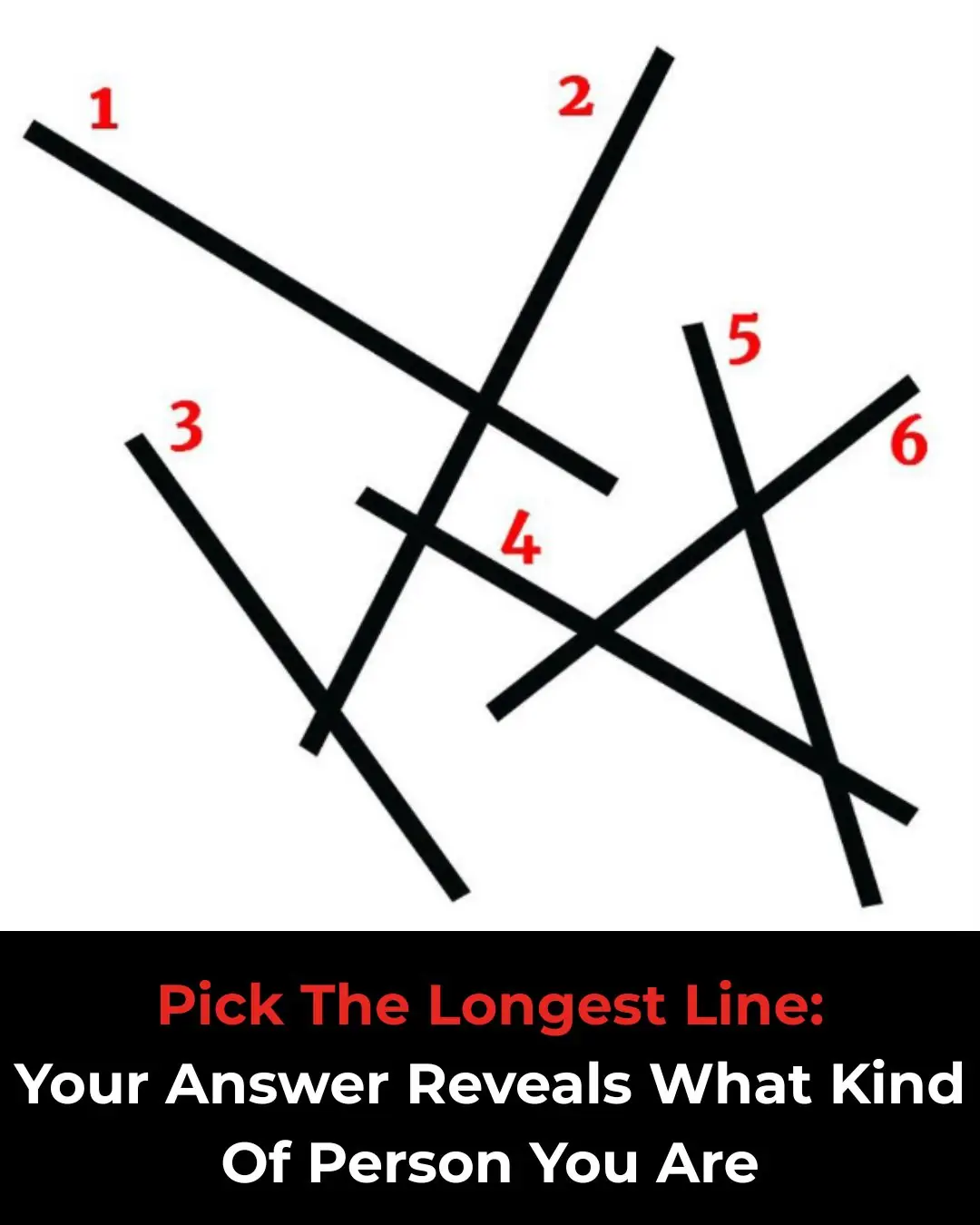
Choose the Longest Line
Facts 14/12/2025 09:57
The Mystery of the Blue Stop Sign: What Does It Really Mean?
The red, octagonal stop sign is one of the most recognizable traffic symbols in the world. Drivers instinctively know what to do the moment they see it. Yet every so often, a much rarer sight sparks confusion: a blue stop sign. Is it legitimate? Does it carry legal authority? And most importantly — should drivers obey it?
The short answer may surprise many people.

Blue stop signs do exist, but they are not used on public roads in most countries. Instead, they are typically found on private property, such as shopping centers, industrial parks, gated communities, parking garages, or large private driveways.
In the United States, the Manual on Uniform Traffic Control Devices (MUTCD) — the official guide governing road signage — clearly states that authorized stop signs must be red with white lettering. Any other color, including blue, is not permitted on public roadways (U.S. Department of Transportation).
However, private property is a different matter. Property owners are allowed to install non-standard signs to control traffic flow and improve safety within their premises. These signs are not “official” in a federal sense, but they serve an important functional purpose.
Hawaii is often cited as a notable exception. Local regulations there have historically restricted the use of official government-style traffic signs on private land. As a workaround, many property owners adopted blue stop signs instead of red ones.
Over time, this practice became widely recognized by local drivers. While unusual to visitors, blue stop signs in Hawaii are generally understood as legitimate stop indicators within private areas (Honolulu Civil Beat).
Yes — you absolutely should.
Even though blue stop signs are not federally standardized, drivers are still expected to operate their vehicles safely. Ignoring a posted stop sign on private property can still result in liability, citations, or fault in the event of an accident, depending on local laws and circumstances.
Transportation safety experts consistently emphasize caution. As traffic engineer Nathan Kautz explains:
“Any sign instructing drivers to stop is installed for safety reasons. Color doesn’t change the risk of a collision.”
In other words, whether the sign is red or blue, the safest and most responsible action is to come to a complete stop.
Outside the United States, road sign colors and meanings can vary significantly.
The 1968 United Nations Convention on Road Signs and Signals standardized the red octagonal stop sign that most countries now use. However, not all nations adopted the convention at the same time, and some regional variations still exist today (United Nations).
In certain countries, blue signs may indicate restricted zones, mandatory instructions, or controlled access rather than a full stop. This makes it especially important for international drivers to familiarize themselves with local traffic rules.
Blue stop signs are just one example of how traffic signage adapts to local environments and cultures:
In Australia, drivers are warned about kangaroo crossings.
In parts of the United Kingdom, temporary signs alert motorists to toads crossing roads during breeding season.
Rural regions worldwide often feature wildlife-specific warning signs tailored to local conditions (BBC).
These variations highlight that road safety is not only about global uniformity, but also about responding to real-world risks.
Blue stop signs may look strange, but they are not meaningless. While they lack official status on public roads, they are commonly used on private property to promote safety and order. Whether you encounter one in Hawaii, a parking lot, or an international destination, the rule of thumb remains simple:
If you see a stop sign — stop.
It may not be official, but your safety — and the safety of others — always is.