10 Clever Dryer Sheet Hacks That Will Transform Your Home
News 10/12/2025 11:07
Growing your own vegetables at home offers far more than just convenience. It gives you full control over what goes into your food, helps you save money, and supports a more sustainable lifestyle. With the right setup, many vegetables can thrive indoors all year long, providing fresh, flavorful produce whenever you need it.
Home gardening allows you to avoid harmful chemicals, reduce grocery expenses, and enjoy a calming, rewarding hobby. It also helps cut down on plastic packaging and carbon emissions associated with store-bought produce.
Most vegetables need around six hours of sunlight daily, or a grow light if natural light is limited. A nutrient-rich potting mix and consistent moisture are essential, especially when growing in containers. Understanding the growth patterns of each plant will help you maintain a productive indoor garden.
You’ll need containers with drainage holes, quality potting soil, seeds or seedlings, a spray bottle or watering can, and simple tools like gloves and a trowel. Grow lights and a small fan can further support healthy growth by improving light exposure and air circulation.
Container size matters. Large plants such as tomatoes and cucumbers need spacious pots, while lettuce and herbs can thrive in smaller ones. Plastic, ceramic, and fabric pots all work well, and self-watering containers can help maintain consistent moisture.
Thrives in cool conditions. Needs a deep 12-inch pot, rich soil, steady moisture, and partial shade during hot periods.
Prefers cool weather, full sun, and a pot at least 12 inches deep. Regular fertilizing supports steady growth.
Grows quickly and loves cooler temperatures. Needs a 6-inch-deep container, regular watering, and partial to full sunlight.
Requires full sun, a 12-inch-deep container, and a trellis for climbing. Harvest when fruits are firm and deep green.
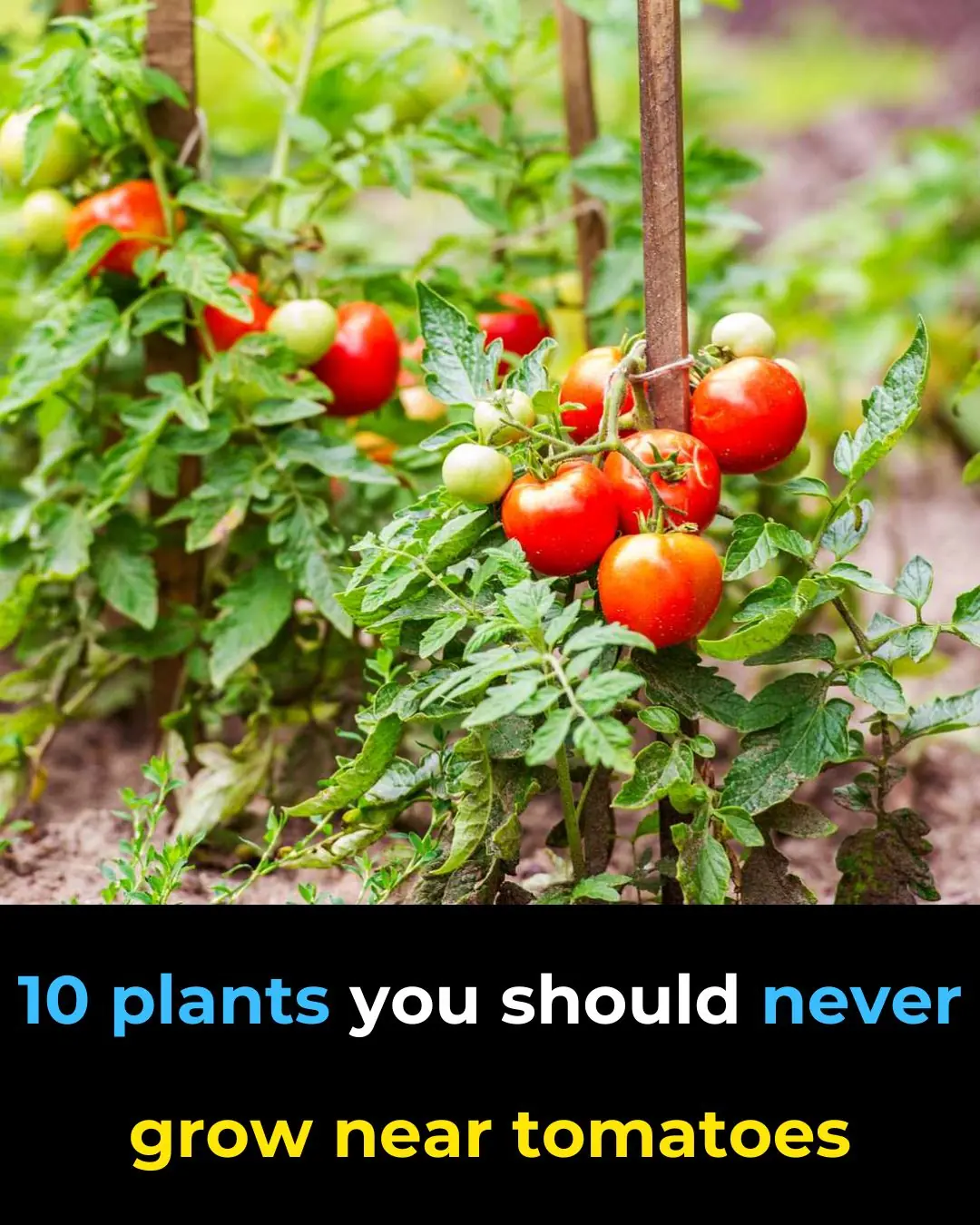
Best grown in large containers (18 inches deep) with a stake or cage. Needs full sun and frequent watering.
Grow well in 12-inch pots. Prefer warm, sunny conditions and consistent moisture.
Fast-growing and ideal for small spaces. Needs partial shade, cool temperatures, and steady watering.
Require loose, sandy soil and a pot at least 12 inches deep. Harvest when roots reach your preferred size.
One of the fastest crops to grow—ready in 3–4 weeks. Ideal for 6-inch-deep containers.
Basil, parsley, cilantro, and mint thrive on windowsills. They need full sun and frequent harvesting to stimulate new growth.
Indoor gardening lets you bypass seasonal limitations. By controlling temperature, light, and humidity, you can extend the growing season indefinitely.
Limited light? Use grow lights. Humidity issues or mold? Add better airflow. Pests? Inspect plants often and use organic controls. Adjust watering to prevent over- or under-watering.
Use succession planting—sow new seeds as soon as a crop is harvested. Rotate crops and use vertical gardening to save space. Regular pruning encourages continuous production.
Growing vegetables at home is rewarding, sustainable, and surprisingly simple. Whether you have a balcony or just a windowsill, indoor gardening can provide a steady supply of fresh, nutrient-rich produce all year. Embrace homegrown food and enjoy the satisfaction of harvesting your own vegetables.