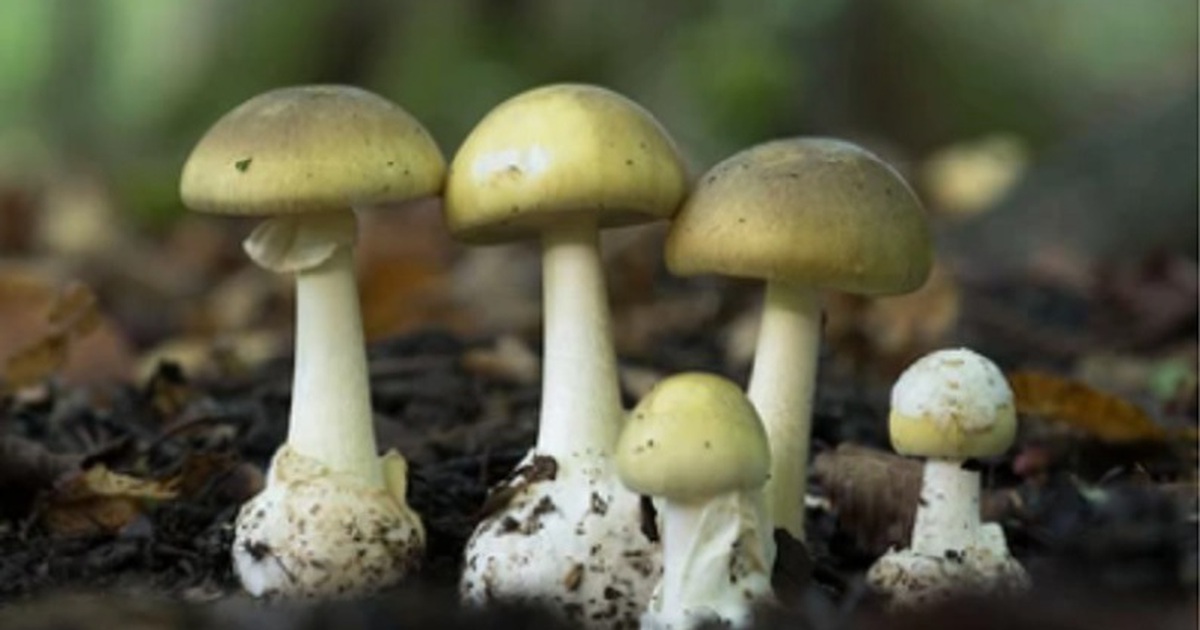
Health officials in California have issued a serious and urgent warning following a concerning increase in cases of deadly poisoning from wild mushrooms. In recent weeks, 21 confirmed cases of amatoxin poisoning — likely caused by the highly toxic Death Cap mushroom — have been reported. These cases include one tragic fatality and multiple instances of severe liver damage, with some victims being children.
The danger posed by Death Cap mushrooms is especially alarming because they bear a striking resemblance to edible mushrooms in both appearance and taste. This makes them particularly hazardous to foragers who may unknowingly collect them. Even more concerning is that common methods of cooking, such as boiling, baking, or drying, do not eliminate the potent toxins found in Death Cap mushrooms. The toxin, known as amatoxin, remains lethal even after cooking, making the consumption of these mushrooms highly dangerous.
Given the increasing number of poisoning cases, health experts and California officials are strongly advising against foraging for wild mushrooms this season. While some foragers may be experienced, even they are at risk, as the Death Cap mushroom can be difficult to distinguish from other non-toxic varieties. The best practice is to avoid eating any wild mushrooms that have not been properly identified by a trained expert. It’s safest to stick to mushrooms purchased from trusted and reliable sources, such as well-known grocery stores or certified vendors, where the risk of consuming toxic species is significantly lower.
The symptoms of amatoxin poisoning can begin to appear within hours of ingestion, and they often mimic those of a mild stomach upset. Symptoms like nausea, vomiting, and stomach cramps may initially seem non-threatening, but they can quickly escalate. As the toxins are absorbed into the bloodstream, they can cause severe liver damage, which can lead to organ failure if not treated promptly. In some cases, symptoms may not show up until after 12 hours, which complicates early diagnosis and treatment. Because of the delayed onset of severe symptoms, it is essential to seek medical attention immediately if wild mushrooms are ingested — even if the symptoms seem mild at first. Prompt medical care, including the administration of activated charcoal to limit toxin absorption and intravenous fluids to manage symptoms, can make a significant difference in preventing long-term liver damage and improving the chances of survival.
Officials have urged the public to report any wild mushrooms that may have been consumed and to keep a close eye on anyone who might be showing symptoms of poisoning. Medical facilities across California have been instructed to remain alert for signs of amatoxin poisoning, especially during the mushroom foraging season.
Experts also recommend that people who enjoy foraging or wild mushroom hunting take extra precautions by attending mushroom identification courses or seeking advice from local mycological societies, which specialize in identifying edible and toxic mushrooms. This educational approach can help ensure that foragers are properly informed and can safely enjoy the activity without putting themselves or others at risk.
This warning also serves as a broader reminder about the dangers associated with foraging wild food. While it may be tempting to gather wild mushrooms or other wild plants, there is always a significant risk involved if they are not correctly identified. Misidentification can lead to serious poisoning, and in some cases, the consequences can be fatal.
In conclusion, while foraging for wild mushrooms can be an enjoyable and rewarding activity for those with the proper knowledge, it comes with inherent risks. The increase in amatoxin poisoning cases in California highlights the importance of being cautious and informed. By following expert advice and avoiding wild mushrooms unless they have been professionally identified, the public can help reduce the risk of poisoning and ensure their safety during mushroom foraging season.
Sources:
-
California Department of Public Health (CDPH) - "Poisoning from Wild Mushrooms: A Growing Risk"
-
American Association of Poison Control Centers - "Death Cap Mushroom Poisoning and Prevention"
-
The New York Times - "California Death Cap Mushroom Poisoning Cases on the Rise"