A 4-Minute, Zero-Effort Hack to Clean Grill Gunk – The Simple Trick My Nana Taught Me
Tips 07/12/2025 00:41
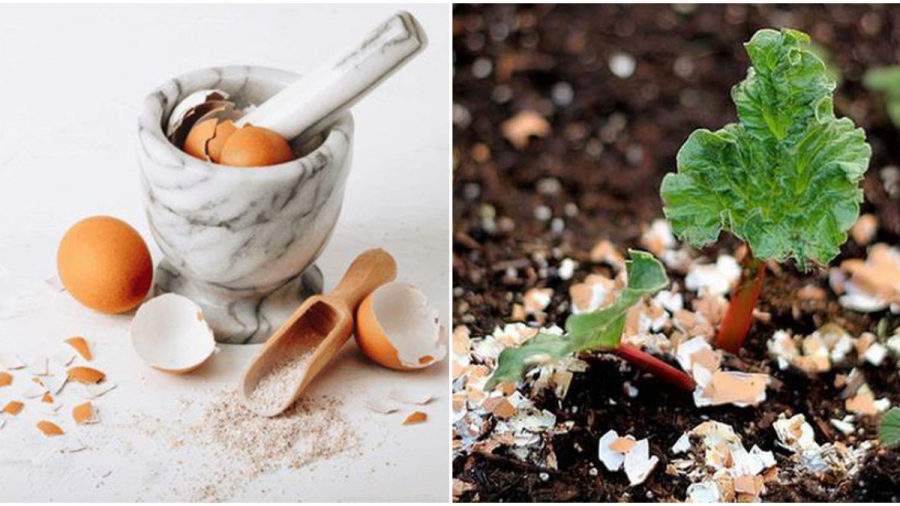
Most of us crack open eggs, use the whites and yolks, and then toss the shells straight into the trash without a second thought. But what many people don’t realize is that eggshells are packed with value—not just for your plants, but also for your home, health, and even creativity.
In fact, eggshells are so useful that they’re now being sold online and at local markets for anywhere from 15,000 to 35,000 VND per kilogram. The price depends on how clean and processed they are. Crushed and sterilized eggshell powder tends to cost more than roughly broken shells.
So before you throw them away, let’s look at the surprising benefits of eggshells—and how you can reuse them to make your garden greener and your home more sustainable.
Did you know that eggshells are made up of about 93.5% calcium carbonate? This mineral plays a crucial role in helping plants develop strong cell walls, just as calcium strengthens human bones.
Along with calcium, eggshells also contain small amounts of protein, magnesium, fluoride, selenium, and strontium—all essential for plant growth. Because of this, crushed eggshells make an excellent organic fertilizer that boosts soil quality naturally.
When mixed into the soil, they:
Improve root development and overall plant strength.
Help flowers bloom larger and last longer.
Increase resistance to pests and diseases.
If you want to use eggshells for your garden, make sure to crush or grind them finely first. The smaller the pieces, the faster they’ll break down and release nutrients into the soil.
💡 Tip: Mix powdered eggshells into the soil for potted plants or sprinkle them around the base of your garden flowers every few weeks.
For anyone who grows leafy vegetables or herbs, snails can be a real nightmare—especially when the plants are still young and tender.
Here’s an eco-friendly solution: crushed eggshells.
Scatter them on the surface of the soil or along the snails’ common paths. Snails and slugs have soft, sensitive bodies, and they avoid crawling over sharp textures. The rough edges of eggshell pieces act as a natural barrier that keeps them away—no harmful chemicals needed.
This method not only protects your garden but also enriches the soil over time as the shells decompose. It’s a win-win for both your plants and the planet.
Beyond gardening, eggshells can be repurposed in many fun and practical ways:
Eggshell crafts: Use intact halves for making candles, ornaments, or painted decorations with kids.
Seed starters: Eggshell halves make perfect tiny planters for seedlings—just poke a small hole at the bottom for drainage. When the seedling is ready, you can plant the whole shell directly into the soil.
Pet health: When sterilized and ground into a fine powder, eggshells can be added (in moderation) to pet food as a natural calcium supplement.
These small projects not only reduce waste but also spark creativity and teach children the value of sustainability.
Here’s how to turn those everyday shells into a garden superfood:
Collect the shells after cooking. Rinse them thoroughly to remove any egg residue.
Dry them completely—either by air-drying under the sun or baking them lightly in the oven (or pan-roasting for a few minutes). This kills bacteria and makes them easier to grind.
Crush or grind the dry shells into powder using a mortar, grinder, or blender.
For mixing directly with soil, use slightly crushed shells rather than powder. The larger texture helps prevent the shells from washing away and improves soil aeration.
For faster nutrient absorption, use the fine powdered form. Mix it into the soil or combine with water (in a 1:1 ratio) to make a calcium-rich liquid fertilizer. Apply around the roots every two weeks.
Store any leftover eggshell powder in a clean, airtight container or zip bag in a cool, dry place for future use.
Eggshells are more than just kitchen waste—they’re a free, natural resource that supports sustainable living. From protecting plants and repelling pests to enriching soil and inspiring crafts, they prove that one person’s trash can truly be another’s treasure.
So next time you crack an egg, don’t rush to the trash bin. Save those shells, give them new life, and see how something so simple can make a big difference in your home and garden.
🌱 Small habits lead to big change. By reusing eggshells, you’re not just reducing waste—you’re helping nature thrive.