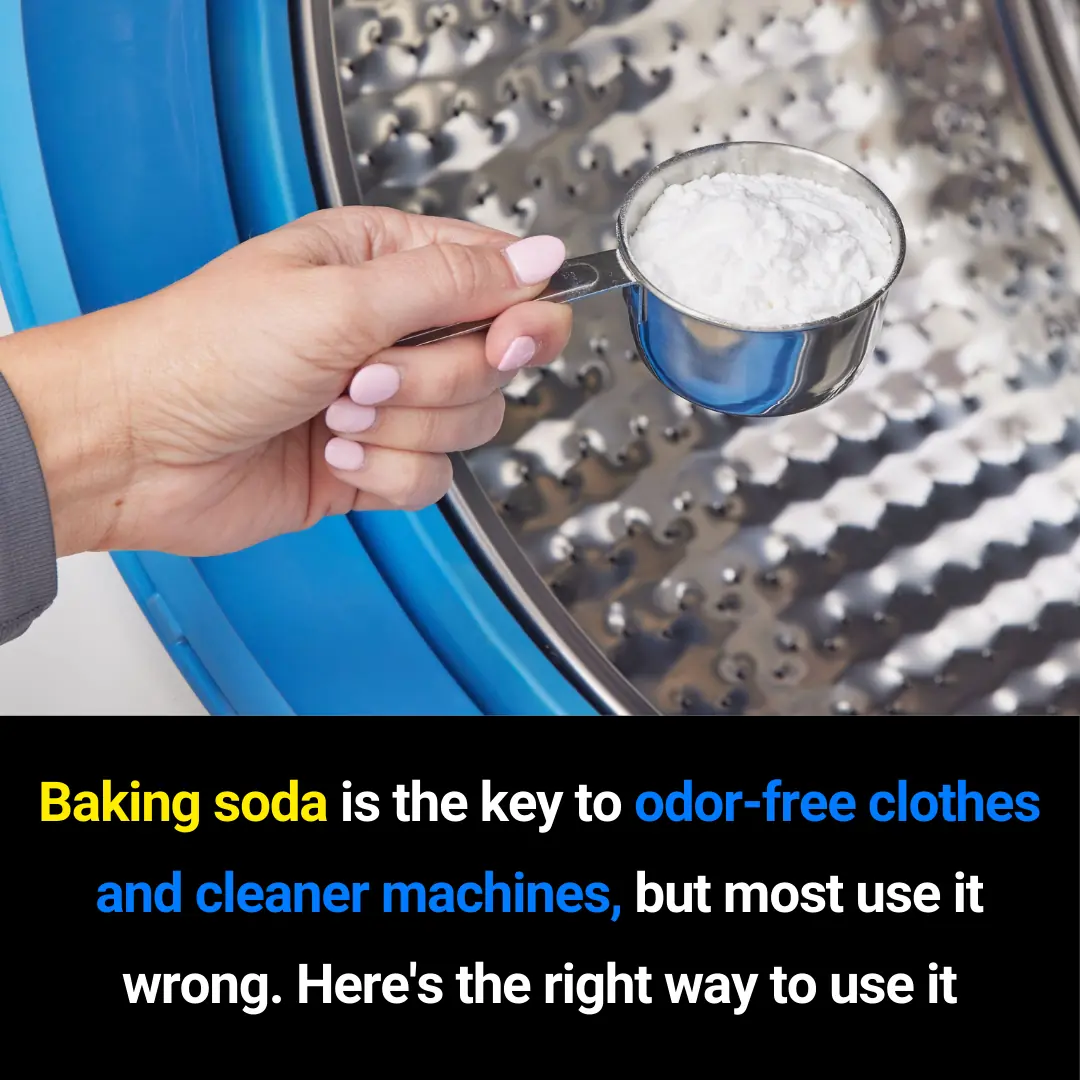
How to Use Baking Soda Correctly in Laundry – Simple Tips for Odor Removal, Cleaning, and Machine Care
Tips 07/12/2025 21:06
Grapes are one of the most beloved fruits in the world—sweet, refreshing, and convenient to eat. Yet, hidden behind their attractive appearance is a concern that many households share: how clean are the grapes we bring to our table? For years, people have tried various methods to wash grapes, believing they were removing dirt, chemicals, or waxy residues. Ironically, many of these popular methods do not clean grapes effectively and, in some cases, may even make them dirtier. This is why understanding the proper way to wash grapes is essential, especially as more consumers become aware of food safety practices.
Many people assume that rinsing grapes under tap water for a few seconds is enough. Others believe soaking them in salt water, baking soda, or even vinegar will magically remove everything unwanted from the surface. While these solutions may loosen some residue, they are often used incorrectly. When grapes are soaked for too long, the skin can become damaged, making the fruit more vulnerable to bacteria and affecting taste and texture. In other cases, scrubbing grapes harshly can actually push dirt deeper between the fruit and its stem area. What people do not realize is that grapes have a delicate surface that cannot withstand aggressive cleaning practices.
The idea that “the more you wash, the cleaner they get” is not always true. When grapes are washed incorrectly, residue from cleaning agents may cling to the fruit, creating additional problems. Doctors and food safety experts explain that excessive use of vinegar or concentrated solutions can leave behind strong odors, affect flavor, or cause the skin to deteriorate. Furthermore, rough handling can cause grapes to burst open, exposing the flesh to airborne bacteria. This leads to the surprising truth: a complicated or overly intense washing method does not guarantee better results.
So what, then, is the proper way to wash grapes? According to food safety guidelines, the most effective method is often the simplest. Rinse the grapes gently under cool, running water while lightly moving them with your fingers. This helps remove loose dirt and microorganisms without harming the fruit. After rinsing, placing the grapes in a colander and letting the water flow through them is a practical way to ensure each grape is reached. For clusters, spreading the grapes out allows water to pass around the stems where debris often hides.
Some people expect dramatic results from washing—believing that residues will visibly peel away. In reality, cleanliness is usually achieved through thorough, gentle motion rather than chemical reactions. The goal is to reduce contaminants to a safe level, not to sterilize the fruit completely. Food experts emphasize that household cleaning agents, including soaps and detergents, should never be used on grapes or any kind of produce, as these substances are not intended for consumption and can be difficult to rinse off fully.
Why, then, do so many people continue using ineffective methods? A major reason is tradition: people follow the techniques they grew up with. Another reason is online misinformation, which spreads quickly and often promises impressive results without scientific support. The truth is that proper fruit washing is less about special ingredients and more about correct handling.
Ultimately, the message is simple: understanding how to wash grapes safely protects both flavor and health. Many people unknowingly make mistakes that lead to more dirt, more residue, or even greater risk. By learning the proper method, we not only keep our food cleaner but also reshape long-held misconceptions. Clean grapes do not require complicated tricks—only awareness, care, and the right approach.