This is the correct way to wash grapes; washing them wrong can make them even dirtier
Tips 07/12/2025 21:49

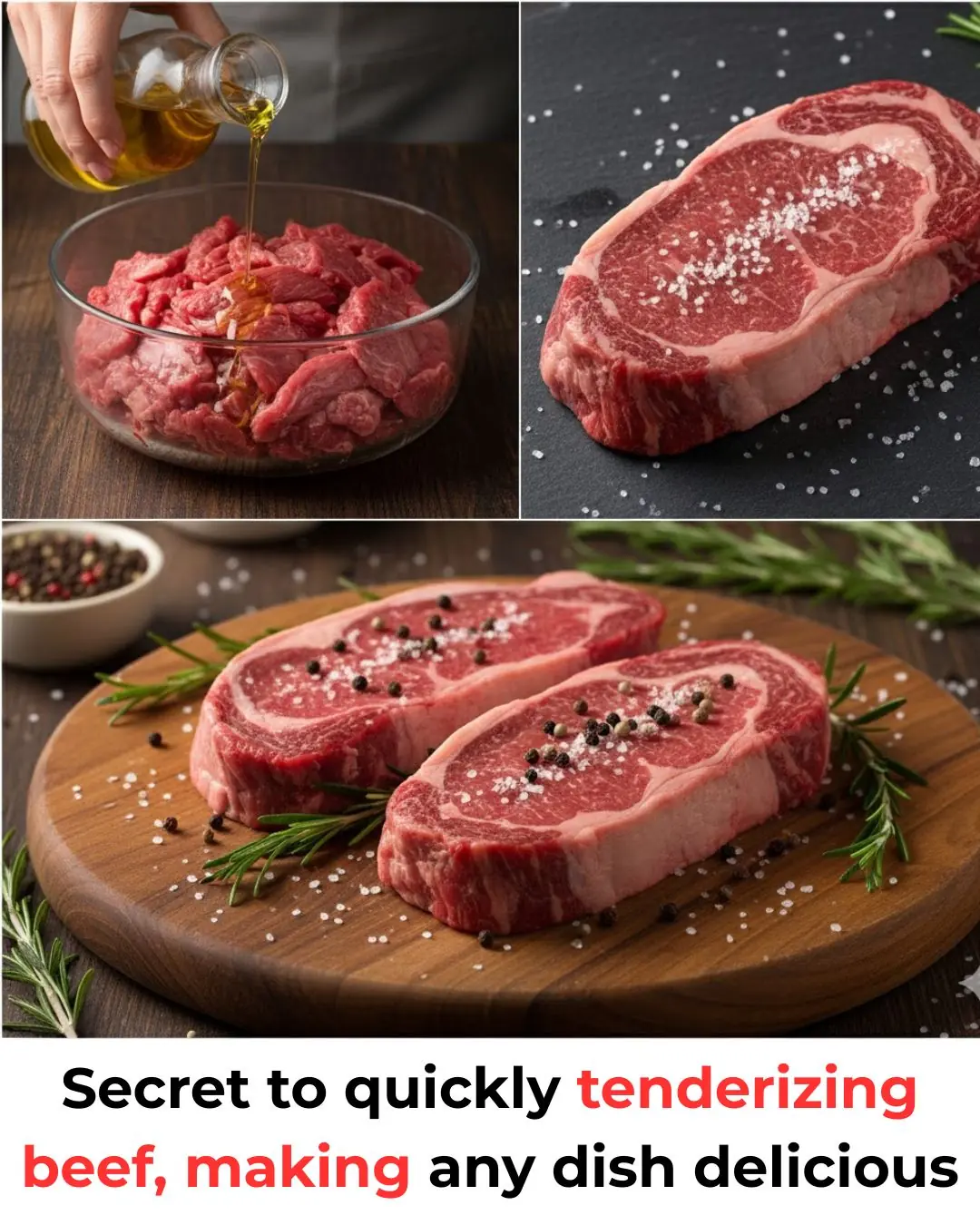
Even without using a pressure cooker, you can still simmer beef until tender much faster by applying a few simple yet effective kitchen tricks.
When shopping, it’s important to select fresh, high-quality beef that is suitable for stewing. In most cases, beef short ribs, chuck, or brisket are ideal choices because they contain enough connective tissue and fat to become tender and flavorful when cooked slowly.
Fresh beef should have a bright, even red color with no dark or slimy spots, no excess liquid, and absolutely no strange odor. The meat should feel firm yet elastic — when you press your finger into it, the indentation should quickly bounce back.
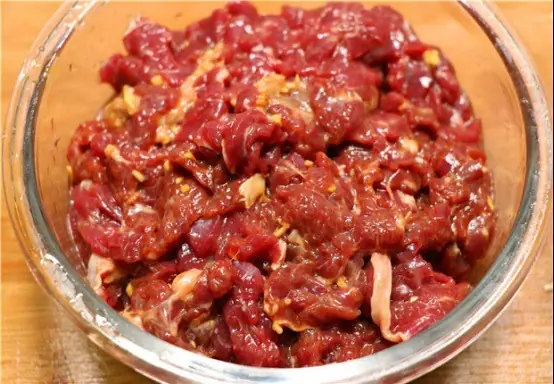
After bringing the beef home, rinse it briefly and slice it against the grain into slightly larger chunks. Cutting with the grain will make the meat tougher and chewier after cooking.
Before stewing, blanch the beef: boil a pot of water, add the meat, and cook for about 3 minutes. Skim off any foam, then remove the beef. This step helps remove impurities and results in a clearer, cleaner broth.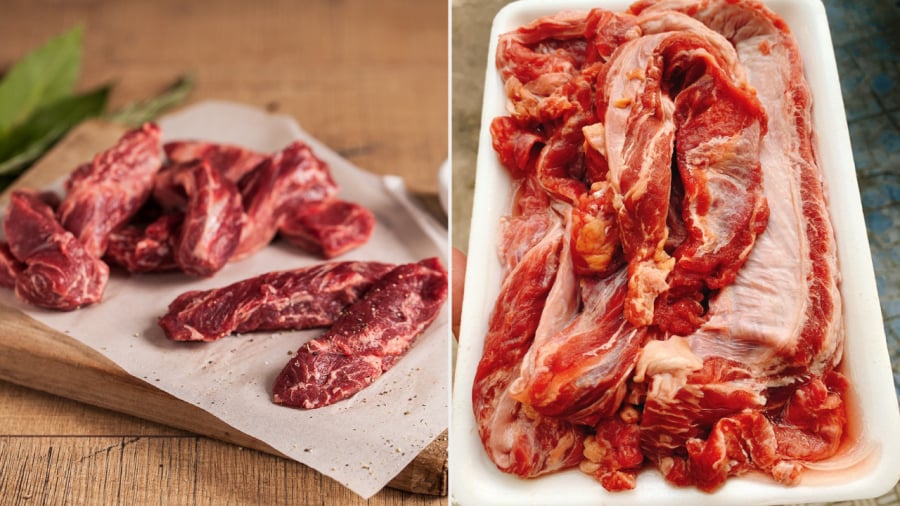
To make the beef more tender, you can coat it lightly with tapioca starch before cooking. Aside from thickening the sauce, tapioca starch helps keep the moisture inside the meat, preventing it from drying out during long simmering. This technique is often used in Asian cooking to create meat that is soft and silky.
Another great method is to marinate the beef with a small amount of rice wine or beer. Alcohol helps eliminate any unpleasant odor, enhances the aroma, and breaks down tough muscle fibers, making the meat softer. It also adds an extra layer of flavor depth to the final dish.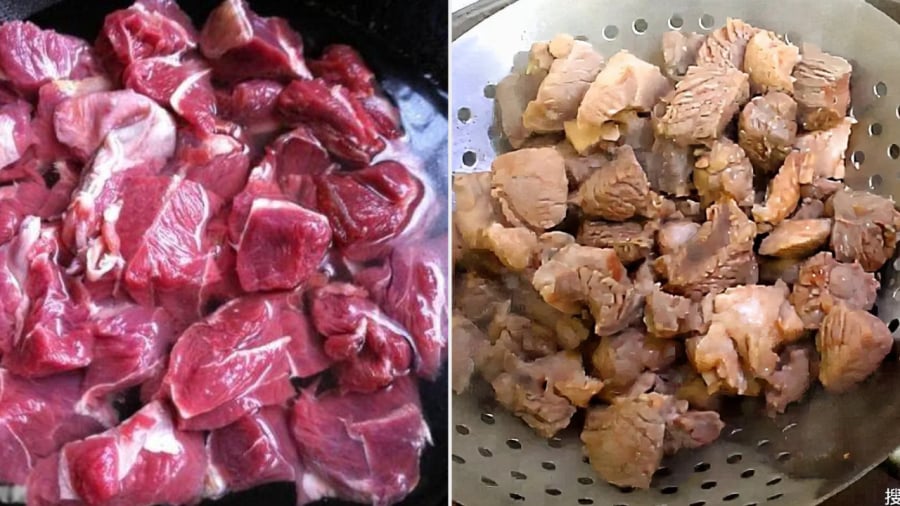
Never stew beef in cold water. Adding cold water will cause the protein to contract suddenly, making the meat tough and dry. Instead, after blanching, prepare a separate pot of boiling water. Add the seasoned beef only when the water is already hot, then simmer over low heat. Estimate the amount of water at the beginning so you won’t need to add more later — adding water mid-cooking dilutes the flavor and slows down the tenderizing process.
If you’re not using a pressure cooker, adding a small teaspoon of sugar after lowering the heat can help the beef soften faster. Sugar helps the fibers absorb liquid more effectively, resulting in juicier and more tender meat.
When the beef is almost cooked, season with a bit of salt to balance the flavor. Adding salt too early can cause the beef to firm up, so timing is important. Simmer for an additional 5 minutes after seasoning, then turn off the heat.
Beef stew is often cooked with vegetables like carrots, potatoes, turnips, or other root vegetables. However, most vegetables soften much faster than beef. Adding them too early will cause them to break apart, turning the broth cloudy and mushy.
Always wait until the beef is nearly tender before adding vegetables. Harder vegetables such as carrots or kohlrabi should go in first, while faster-cooking ingredients like potatoes, chayote, or leafy vegetables should be added later to maintain their shape and flavor.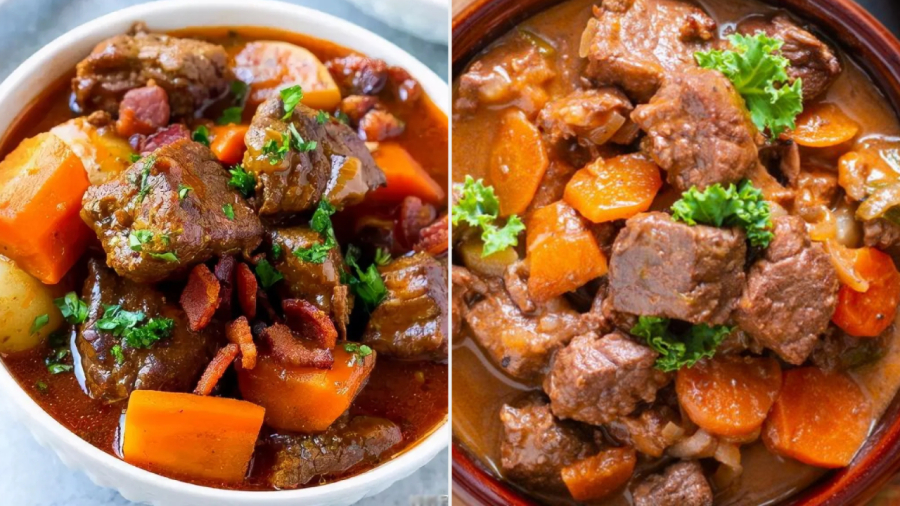
Using a pressure cooker significantly reduces cooking time and energy consumption, but if you don’t have one, it generally takes about 2 hours of simmering for the beef to become fully tender.
If you want to save electricity or gas while still getting soft beef without a pressure cooker, try this method:
Bring the beef to a boil.
Turn off the heat and cover the pot tightly for about 20 minutes.
Reheat until boiling again, then turn the heat off once more.
Repeat this cycle several times.
This technique uses stored heat to gradually tenderize the beef without continuous simmering, saving energy while still achieving excellent results.