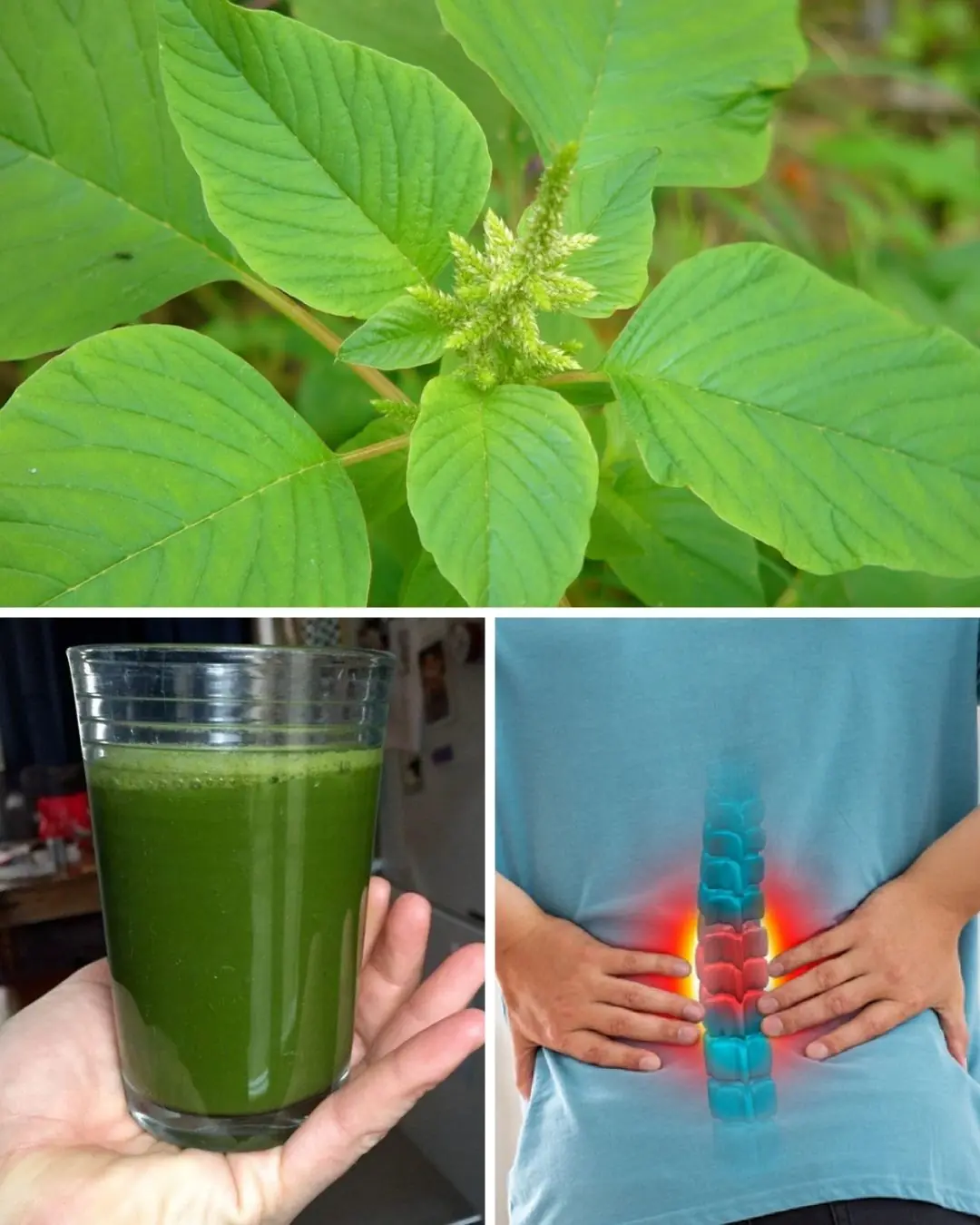
14 Powerful Benefits of Moringa Leaves That Might Surprise You
Health 21/01/2026 18:09

Oxygen is a crucial element in maintaining our health and proper body function. It plays an essential role in enabling organs, tissues, and cells to carry out their various tasks. When the oxygen levels in the blood drop, particularly in the arteries, it results in a condition known as hypoxemia. Since every part of the body depends on adequate oxygen supply, even a slight drop in levels can have significant consequences on health. If left untreated, hypoxemia can escalate quickly, causing complications such as organ damage, cognitive impairment, and, in the worst-case scenario, may even become life-threatening.
Recognizing the early warning signs of low blood oxygen levels is critical in preventing these potentially harmful effects. Seeking treatment at the first sign of hypoxemia can significantly improve health outcomes and avoid severe complications.
Common Causes of Hypoxemia
Many factors can hinder the body's ability to absorb or deliver sufficient oxygen to organs and tissues. These include:
Respiratory Diseases
Chronic lung conditions such as chronic obstructive pulmonary disease (COPD), asthma, pneumonia, and pulmonary fibrosis can impair the lungs' ability to transfer oxygen into the bloodstream. These conditions often develop slowly, which means that reduced oxygen levels may go unnoticed for some time. Even without clear symptoms, individuals with chronic lung diseases may unknowingly experience hypoxemia.
Cardiovascular Problems
Heart-related issues can hinder the efficient circulation of oxygen-rich blood throughout the body. Heart conditions, including heart failure, arrhythmias, and congenital heart defects, can result in inadequate oxygen distribution, even if the lungs are functioning properly.
High Altitudes
At higher altitudes, the atmospheric pressure is lower, resulting in a decrease in the oxygen available in the air. People who travel to high-altitude locations or live at elevated elevations may experience hypoxemia until their bodies adjust. In more severe instances, this condition can lead to altitude-related illnesses such as acute mountain sickness (AMS).
Airway or Blood Flow Obstructions
Blockages in the airway or blood vessels, such as blood clots, severe allergic reactions, or foreign bodies, can severely restrict oxygen flow to essential tissues. Such obstructions can disrupt the normal transportation of oxygen throughout the body and require immediate intervention.
Other Contributing Factors
Conditions like sleep apnea, anemia, and certain infections can also reduce the body's ability to deliver oxygen. Sleep apnea, for example, causes intermittent breathing pauses during sleep, resulting in fluctuating oxygen levels. Anemia, on the other hand, affects the blood's capacity to carry oxygen, making it harder for the body to meet its oxygen demands.
Symptoms to Watch For
Hypoxemia can develop abruptly or gradually. While symptoms vary, some common signs include:
Shortness of breath or rapid breathing: Difficulty breathing, especially when at rest, can be an early warning sign.
Increased heart rate: The body compensates for low oxygen levels by pumping blood faster.
Headaches or lightheadedness: A lack of oxygen can cause dizziness, nausea, or headaches.
Confusion or trouble concentrating: When the brain doesn’t receive enough oxygen, it can lead to cognitive difficulties such as confusion or memory problems.
A bluish tint to the lips, fingertips, or skin: Known as cyanosis, this occurs when oxygen levels in the blood become dangerously low, leading to a change in skin color.
While some individuals may not notice symptoms until oxygen levels drop to dangerously low levels, it's important to be vigilant. Early detection and monitoring can prevent the condition from becoming critical.
How Hypoxemia Is Diagnosed
Healthcare professionals utilize various tests to evaluate blood oxygen levels and identify the underlying causes of hypoxemia:
Pulse Oximetry: A non-invasive, quick test that uses a small clip placed on a finger or earlobe to measure oxygen saturation.
Arterial Blood Gas (ABG) Test: Provides accurate measurements of oxygen and carbon dioxide levels in the blood, helping doctors assess lung function.
Imaging Tests: Chest X-rays, CT scans, and MRI scans can be used to detect abnormalities in the lungs and heart that could contribute to low oxygen levels.
Additional Tests: Pulmonary function tests and echocardiograms may be conducted for a more thorough evaluation of lung and heart health.
Treatment Options
Treatment for hypoxemia largely depends on the severity of the symptoms and the underlying cause:
Oxygen Therapy: Supplemental oxygen can quickly restore oxygen levels to normal and is often used in emergency situations or for patients with chronic conditions.
Medications: Bronchodilators, anti-inflammatory drugs, and heart medications can address the root cause of the problem. For example, asthma medications can help improve airway function, while diuretics may help relieve fluid buildup in cases of heart failure.
Lifestyle Changes: Quitting smoking, improving air quality, staying physically active, and avoiding high-altitude environments without proper acclimatization can improve lung and heart health, reducing the risk of hypoxemia.
Hospital Care: In severe cases of hypoxemia, hospitalization may be necessary for close monitoring and advanced treatments, such as mechanical ventilation or intensive care.
When to Seek Medical Attention
It is essential to seek immediate medical attention if you experience sudden shortness of breath, chest pain, confusion, or bluish discoloration of the skin. These symptoms may indicate a serious issue that requires prompt medical intervention. Early treatment can help prevent further complications, such as organ failure or respiratory arrest.
Final Thoughts
Hypoxemia is a serious and potentially life-threatening condition that can result from a variety of factors, ranging from respiratory and cardiovascular diseases to environmental conditions like high altitudes. By being aware of the signs and symptoms of hypoxemia, seeking prompt diagnosis, and following appropriate treatments, individuals can protect themselves from long-term health damage. The key to effective management is prevention, early detection, and timely intervention. By taking care of your cardiovascular and respiratory health, and seeking medical help at the first signs of trouble, you can help ensure that your body receives the oxygen it needs to function at its best.