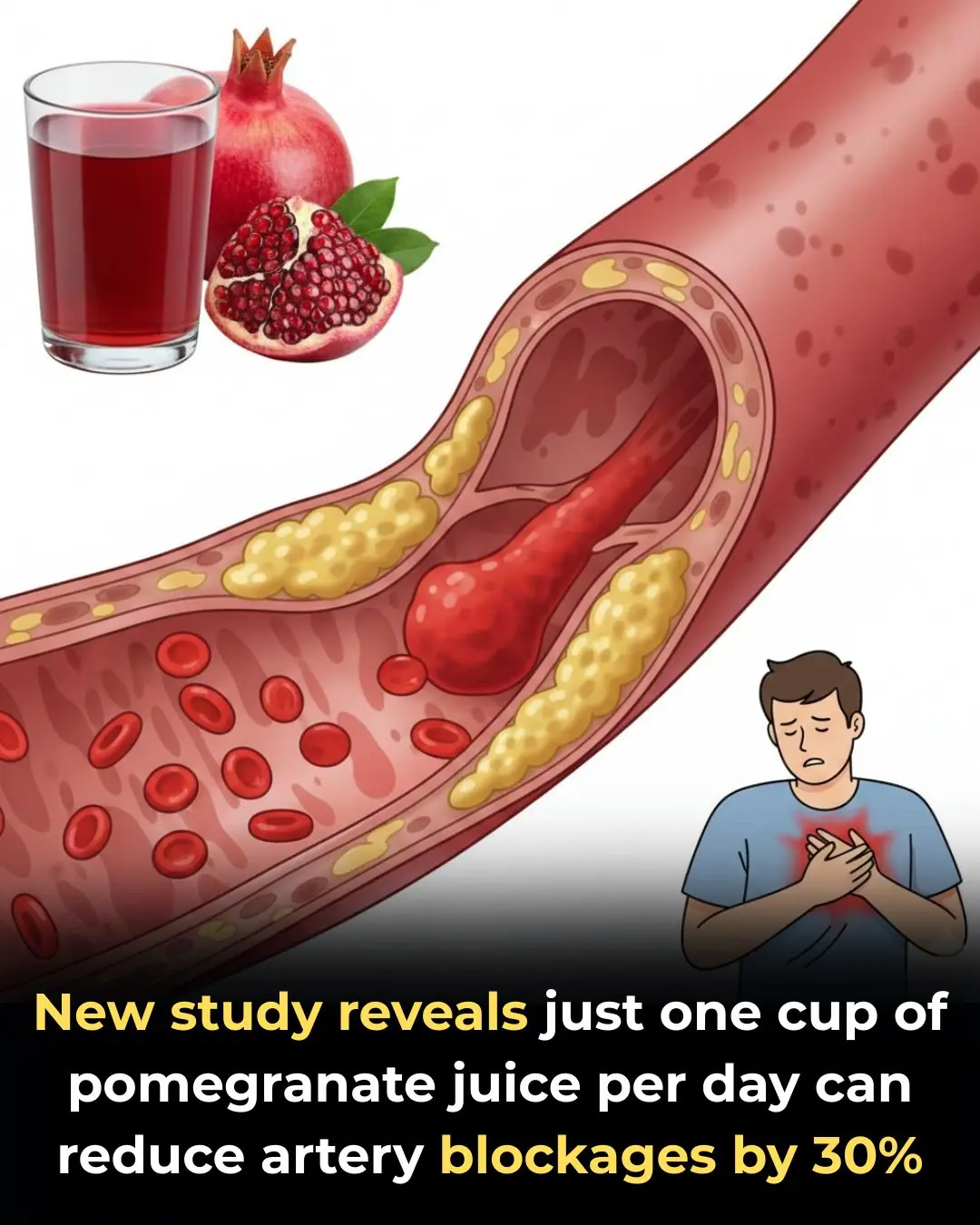
The Cardiovascular Benefits of Pomegranate Juice: Scientific Evidence and Mechanisms
Health 05/01/2026 21:01
Chronic kidney failure, also known as end-stage kidney disease (ESKD), occurs when the kidneys can no longer function effectively and are unable to filter waste products and excess fluid from the blood. This condition represents the fifth and final stage of chronic kidney disease (CKD). At this stage, kidney damage is severe and irreversible, requiring long-term medical intervention to sustain life.
When kidney failure develops, kidney function drops below 15% of normal capacity. As a result, toxins, fluids, and electrolytes accumulate in the body, leading to serious health problems. Common symptoms include little to no urine output, persistent fatigue, itchy or dry skin, difficulty concentrating, numbness or swelling in the arms and legs, shortness of breath, body aches, and sleep disturbances.
An estimated 37 million people in the United States are living with chronic kidney disease, and roughly 808,000 have progressed to kidney failure. Kidney failure typically develops after many years of gradual kidney damage. While not everyone with CKD progresses to kidney failure, those who do usually require dialysis or a kidney transplant to maintain health and quality of life.
Kidney failure occurs when severe and lasting damage prevents the kidneys from properly filtering toxins and waste from the bloodstream. As waste builds up, it affects multiple body systems and vital organs, leading to a wide range of symptoms, including:
Reduced urination or complete absence of urine
Frequent headaches, lower back pain, and muscle cramps
Swelling in the feet, ankles, legs, hands, or face
Dry, itchy skin that may darken or change color
Nausea, vomiting, fatigue, and general weakness
Excessive thirst and decreased appetite
Shortness of breath or breath with a strong, urine-like or fishy odor
Difficulty concentrating, memory problems, or trouble sleeping
Nosebleeds, easy bruising, or bloody stools
Sexual dysfunction and reduced libido
Symptoms often worsen over time as kidney function continues to decline.
The kidneys serve as the body’s natural filtration system. They remove waste and excess fluid from the blood, regulate mineral and electrolyte balance, help control blood pressure, support red blood cell production, and maintain bone health.
Kidney failure develops when long-term damage permanently reduces the kidneys’ ability to perform these essential functions. As kidney function declines, waste products and fluid accumulate in the body, leading to widespread health complications.
Several conditions significantly increase the risk of kidney failure, including:
Diabetes: Chronically high blood sugar damages blood vessels in the kidneys, gradually impairing their ability to filter waste.
High blood pressure: Long-term hypertension narrows and stiffens kidney blood vessels, reducing blood flow and accelerating kidney damage.
Glomerulonephritis: Inflammation of the kidney’s filtering units (glomeruli) that can lead to scarring and kidney failure if untreated.
Autoimmune disorders: Conditions such as lupus nephritis and IgA nephropathy cause the immune system to attack kidney tissue.
Polycystic kidney disease: A genetic disorder in which fluid-filled cysts grow in the kidneys, leading to enlargement, damage, and eventual kidney failure.
Diagnosing kidney failure involves a combination of medical history review, symptom evaluation, and specialized tests that assess kidney function and structure.
The eGFR test is a blood test that estimates how well the kidneys filter waste by measuring creatinine levels. Creatinine is a waste product produced by muscle activity. Healthy kidneys remove it efficiently, but damaged kidneys allow it to build up in the blood.
A normal eGFR is typically 90 or higher. An eGFR below 60 suggests moderate to severe kidney damage, while an eGFR of 15 or lower for at least three months indicates kidney failure.
Urine tests provide valuable insight into kidney health and may include:
Urinalysis, which checks for protein, blood, bacteria, and glucose
Urine albumin-creatinine ratio (uACR), which measures protein leakage in the urine
24-hour urine collection, which evaluates total urine output and levels of substances such as protein, calcium, sodium, and creatinine
To confirm the diagnosis and determine the cause of kidney failure, healthcare providers may order:
Imaging tests such as ultrasound, CT scans, or MRI to identify structural abnormalities or blockages
Kidney biopsy, in which a small tissue sample is examined under a microscope to assess the extent and cause of kidney damage
Although kidney failure cannot be cured, treatment can significantly extend life and improve quality of life. The main treatment options include dialysis, kidney transplantation, and conservative management.
Dialysis removes waste and excess fluid from the blood when the kidneys can no longer do so. There are two main types:
Hemodialysis: Blood is filtered through a machine at a dialysis center or at home before being returned to the body.
Peritoneal dialysis: A cleansing fluid is introduced into the abdomen through a catheter, where the abdominal lining filters waste from the blood before the fluid is drained.
A kidney transplant involves surgically placing a healthy donor kidney into the body to restore kidney function. Most people receive dialysis while waiting for a donor organ. Transplants are highly effective, with kidneys from living donors lasting an average of 15–20 years and those from deceased donors lasting 8–12 years.
Conservative management focuses on symptom relief and quality of life without dialysis or transplantation. This approach may include medications, dietary changes, and treatment of complications such as anemia or fluid imbalance.
Kidney disease often develops silently, with few symptoms in the early stages. Healthy lifestyle habits can help protect kidney function and slow disease progression:
Get regular medical checkups
Eat a balanced, nutrient-rich diet
Manage conditions such as diabetes and high blood pressure
Stay physically active most days of the week
Avoid smoking and limit alcohol intake
Kidney failure increases the risk of additional health problems, including gout, anemia, bone disease, heart disease, metabolic acidosis, high potassium levels, and hormonal imbalances affecting calcium and phosphorus regulation.
Living with kidney failure can be physically and emotionally challenging, but many people are able to lead fulfilling lives with proper treatment and support. Dialysis or kidney transplantation allows many individuals to remain active and independent.
Managing kidney failure often involves lifestyle changes, adherence to medical treatment, and emotional support from family, friends, and healthcare professionals. With comprehensive care, many people with kidney failure can maintain a good quality of life for years.