What To Know About Chronic Kidney Failure
Health 04/01/2026 23:04
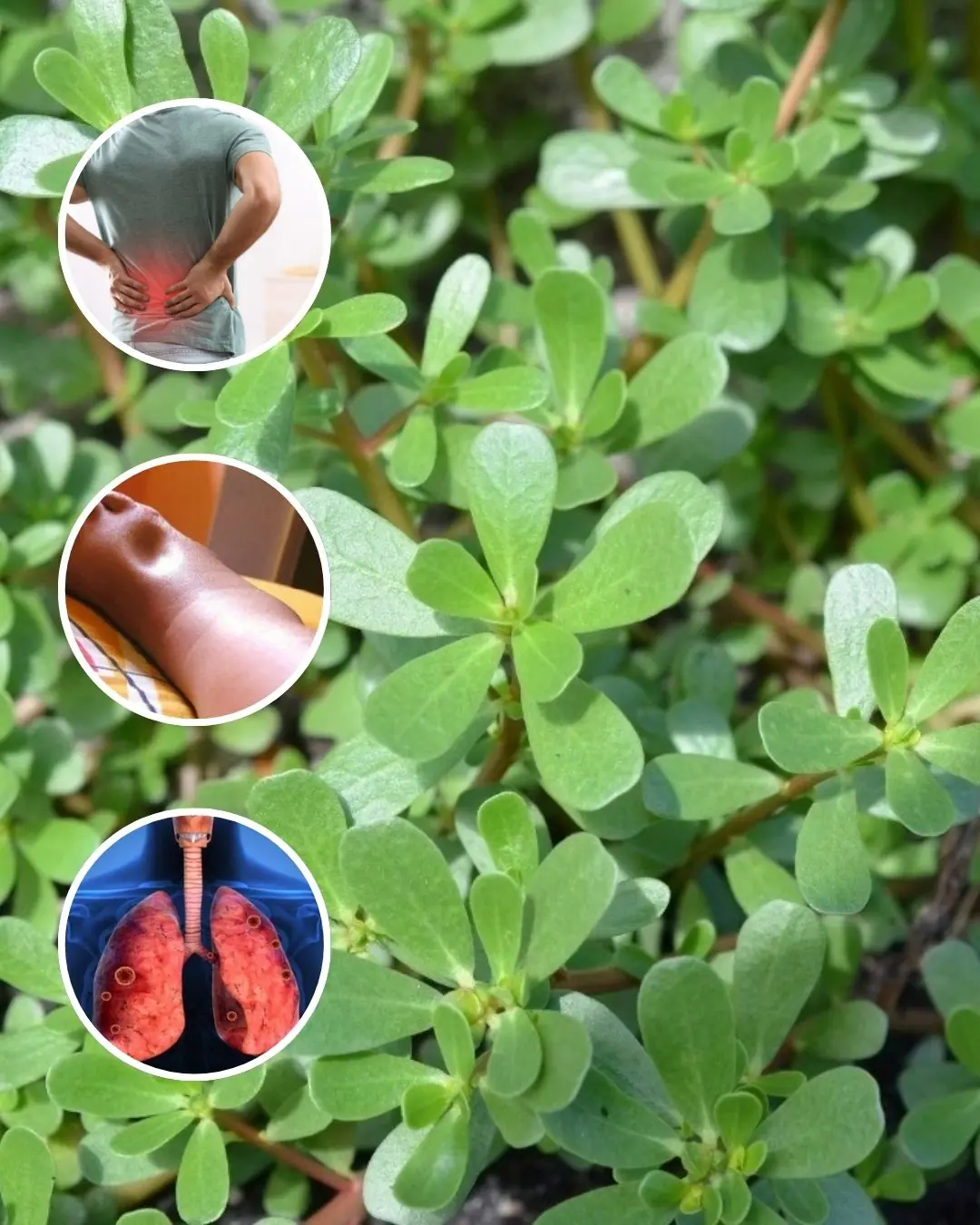
Purslane, also known in traditional use as Ma Chi Xian or longevity herb, is a leafy succulent plant that commonly grows wild in moist areas. It has a mildly sour, cooling taste and is not bitter. With the exception of its roots, almost all parts of the plant can be used for cooking or medicinal purposes.
Beyond being a simple edible vegetable, purslane has long been valued in traditional medicine and modern research for its wide range of health benefits.
One of the most notable benefits of purslane is its neuroprotective effect. Compounds found in purslane help neutralize free radicals, which can reduce nerve cell damage and slow neuronal cell death.
Research suggests that purslane may support treatment for Parkinson’s disease and help protect nerve cells from damage caused by oxygen deprivation. It also inhibits the enzyme acetylcholinesterase, which is associated with Alzheimer’s disease, making it potentially beneficial for cognitive health.
Thanks to its high content of omega-3 fatty acids, mucilage, and essential minerals, purslane has anti-inflammatory and pain-relieving effects. It may help reduce inflammation related to digestive disorders and urinary tract conditions.
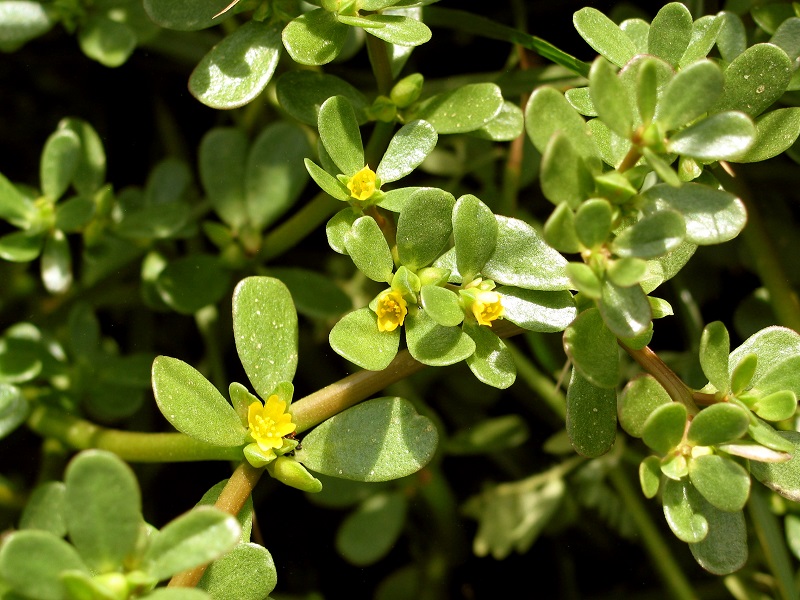
Several studies indicate that purslane may improve metabolic markers in people with type 2 diabetes. It has been shown to:
Reduce free fatty acids in the blood
Improve insulin sensitivity
Lower fasting blood glucose levels
Help reduce elevated liver enzymes
These effects make purslane a supportive dietary option for blood sugar management.
Purslane is rich in omega-3 fatty acids and potassium, both of which are essential for cardiovascular health. Regular consumption may help:
Stabilize heart rhythm
Regulate blood cholesterol levels
Support healthy blood pressure
Purslane contains natural fiber and mucilaginous compounds that support digestion, relieve constipation, and promote intestinal health. It also helps eliminate excess fluids from the body, which may support weight management.
With its cooling properties, purslane is often used to help detoxify the body and relieve internal heat, especially in hot weather. It can be prepared as soup, juice, or herbal decoctions.
Purslane is a good source of calcium, which supports bone strength. It also contains vitamin E and glutathione, antioxidants that protect cell membranes and support joint health.
Bioactive compounds found in purslane—such as cerebrosides, polysaccharides, alkaloids, and homoisoflavonoids—have been shown in research to inhibit cancer cell growth and enhance immune function.
Additional potential benefits of purslane include:
Slowing oxidative aging processes
Helping prevent gout
Soothing insect bites and minor wounds
Supporting infection control
Assisting in asthma management
How to prepare:
Wash the purslane thoroughly and drain.
Bring water to a boil, add sliced onion, then add purslane.
Season to taste and boil for 3–5 minutes.
This soup has a light, sour, refreshing flavor, ideal for hot weather.
How to prepare:
Select fresh tender shoots, wash, and drain.
Boil in water for 5–7 minutes, then remove.
Boiled purslane can be eaten with rice and dipping sauce. The cooking water can also be reused as a light soup.
How to prepare:
Wash and drain purslane.
Blanch briefly for 2–3 minutes to reduce sharp flavor.
Sauté garlic in oil, add purslane, season, and stir-fry for 2–3 minutes.
This dish is aromatic and flavorful, similar to garlic stir-fried water spinach.
Recommended intake of fresh purslane: 50–100 grams per day
Avoid or limit use if you are:
Pregnant or breastfeeding
Experiencing diarrhea or dysentery
Prone to kidney stones or undergoing treatment for kidney stones
Do not overcook purslane, as this reduces its nutritional value.
Avoid combining purslane with:
Softshell turtle meat
Fertilized duck eggs
Turtle meat
These combinations may cause food poisoning.
Purslane is a nutritious, versatile plant with impressive health benefits, ranging from metabolic and cardiovascular support to anti-inflammatory and antioxidant effects. When used properly and in moderation, it can be a valuable addition to a healthy daily diet.