What To Know About Chronic Kidney Failure
Health 04/01/2026 23:04
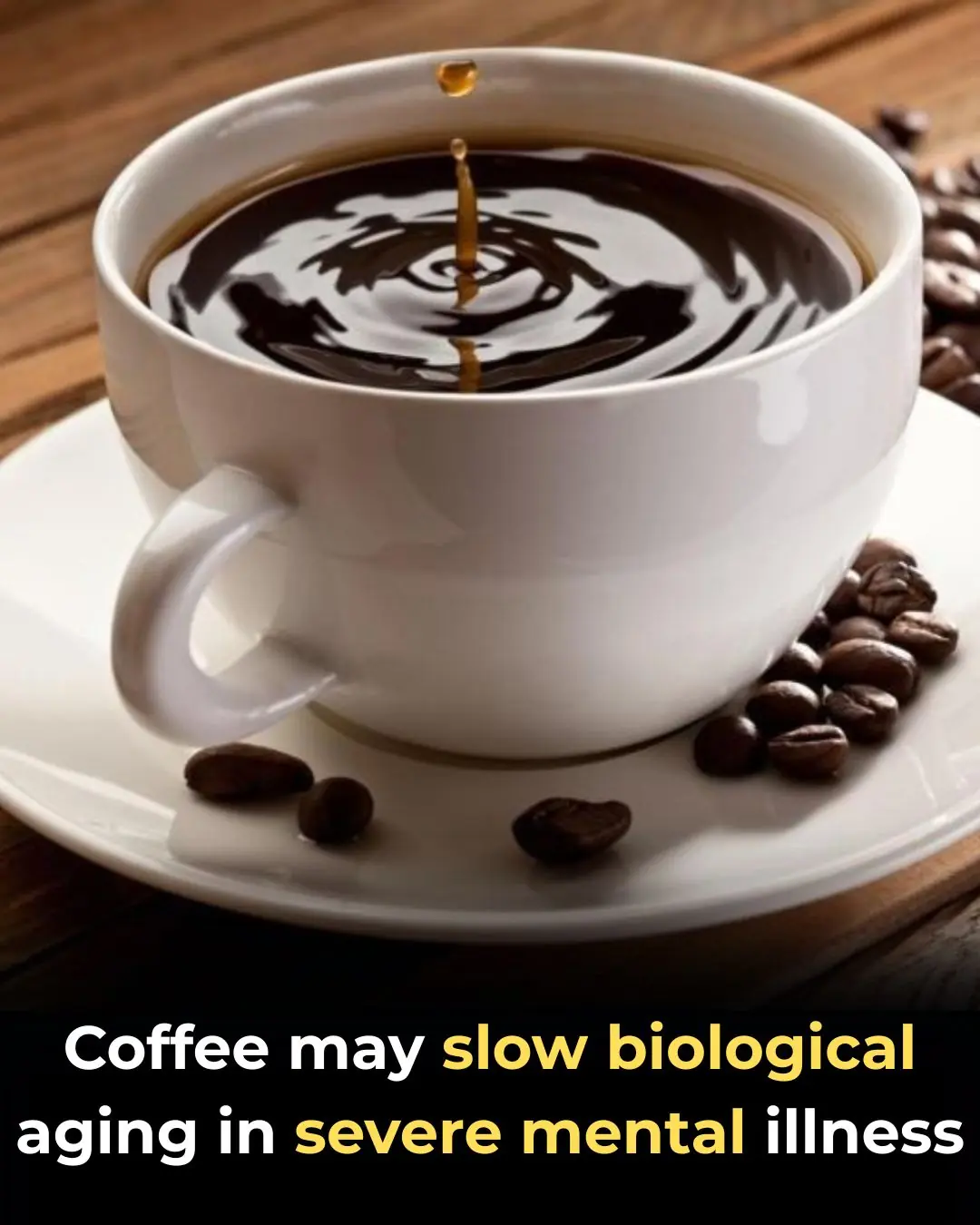
A growing body of research suggests that lifestyle factors can influence biological aging, even among individuals with severe mental illness. A new study now adds coffee consumption to that list, indicating that moderate daily intake may be associated with slower biological aging in people living with serious psychiatric disorders.
The findings come from a cross-sectional study involving adults diagnosed with schizophrenia, bipolar disorder, or major depressive disorder with psychotic features. These conditions are often linked to accelerated biological aging, increased inflammation, oxidative stress, and shorter life expectancy compared with the general population.
Researchers examined participants’ coffee consumption habits and measured telomere length, a widely used biomarker of biological aging. Telomeres are protective caps at the ends of chromosomes that naturally shorten as cells divide and age. Shorter telomeres are associated with aging, chronic disease, and increased mortality risk.
The study revealed a notable association between moderate coffee consumption and longer telomere length:
Participants who drank three to four cups of coffee per day had significantly longer telomeres than non-coffee drinkers.
This difference corresponded to a biological age approximately five years younger than individuals who did not consume coffee.
Importantly, the benefit was observed only within this moderate range. Drinking more than four cups per day did not confer additional advantages and showed no further improvement in telomere length.
Coffee contains hundreds of bioactive compounds that may influence aging processes, including:
Polyphenols and antioxidants, which help reduce oxidative stress
Anti-inflammatory compounds, which may counteract chronic inflammation common in severe mental illness
Neuroprotective effects, potentially supporting brain health and cellular function
Oxidative stress and inflammation are known contributors to telomere shortening. By mitigating these processes, coffee may help preserve telomere length and slow biological aging at the cellular level.
People with severe mental illness often experience accelerated aging, driven by factors such as chronic stress, metabolic disorders, smoking, poor sleep, and long-term medication use. Identifying accessible lifestyle factors that may offset this biological burden is a growing area of interest in psychiatric research.
The study’s findings suggest that moderate coffee consumption could be a simple, low-cost lifestyle habit with potential biological benefits for this vulnerable population.
While the results are promising, researchers emphasize several limitations:
The study was cross-sectional, meaning it cannot establish a cause-and-effect relationship.
Coffee intake was self-reported, which may introduce recall bias.
Factors such as diet, physical activity, smoking, and medication use may also influence telomere length.
As a result, coffee should not be viewed as a treatment for mental illness or aging, but rather as a potential supportive factor within a broader healthy lifestyle.
For individuals with severe mental illness who already consume coffee and tolerate caffeine well, moderate intake (three to four cups daily) may offer biological benefits without added risk. However, excessive caffeine consumption can worsen anxiety, sleep disturbances, and cardiovascular symptoms, so moderation remains essential.
Clinicians may consider discussing caffeine intake as part of broader lifestyle counseling, particularly in patients without contraindications such as uncontrolled hypertension or severe insomnia.
This study adds to emerging evidence that everyday lifestyle choices can meaningfully influence biological aging, even in populations at high risk for accelerated aging. While more longitudinal research is needed, moderate coffee consumption may represent a simple and potentially beneficial habit for adults living with severe mental illness.
As science continues to explore the complex relationship between nutrition, mental health, and aging, coffee — long debated for its health effects — may once again prove to be more than just a daily ritual.