You’re thawing your meat the wrong way. These 4 common methods are actually breeding grounds for bacteria — and can make your whole family sick
Many people defrost meat based on habit, convenience, or personal belief without ever questioning whether it’s safe.
But thawing meat the wrong way can turn a simple meal into a serious health risk — even life-threatening in some cases.
If you’re doing any of the four methods below, it’s time to stop immediately.
1. Thawing meat in hot water
It seems fast and convenient, but it’s one of the most dangerous mistakes.
Hot water causes the outside of the meat to thaw too quickly while the inside remains frozen. This uneven temperature not only destroys nutrients but creates the perfect environment for bacteria to multiply rapidly.
High heat = rapid bacterial growth = major risk for food poisoning.
2. Thawing meat at room temperature
Many people think leaving meat on the counter is harmless, but bacteria like Salmonella and E. coli thrive at room temperature.
Letting meat sit out for too long turns it into a bacterial breeding ground — especially in warm weather or in kitchens that aren’t well-sanitized.
The longer it sits, the more dangerous it becomes.
3. Using the microwave… then not cooking immediately
Microwaving is fine — only if you cook the meat right after thawing.
After microwaving, parts of the meat may reach temperatures above 40°C (the danger zone), while other parts remain partially frozen. This uneven heating allows bacteria to grow extremely fast.
Leaving thawed meat sitting around after microwaving is one of the quickest ways to contaminate it.
4. Thawing meat multiple times
This is one of the most serious mistakes.
Some people thaw meat, change their mind, and refreeze it again. Doing this even once increases the bacterial load significantly.
Studies show that after multiple thaw-refreeze cycles, the number of bacteria can increase up to 15 times after four rounds.
Each thawing cycle gives bacteria another chance to multiply — making the meat increasingly unsafe to eat.
So, what’s the right way to thaw meat?
✔ Thaw in the refrigerator
This is the safest and most recommended method.
Slow, controlled thawing prevents bacterial growth and keeps the meat’s quality intact.
✔ If you need it quickly: use cold water
Submerge the meat in cold water and replace the water frequently to keep the temperature low.
✔ If you use a microwave: cook immediately
Do NOT let thawed meat sit at room temperature afterward.
✔ Never thaw and refreeze
Divide meat into smaller portions before freezing so you only thaw what you need — one time only.

News in the same category


You’re drinking the wrong thing. Here’s the “golden drink” that protects your heart — especially if you sit all day

Can a Tea Bag Really Keep Mice and Spiders Away

Why are some window bars curved at the bottom

It’s time to SAVE YOUR LIVER by cutting out these 5 everyday vegetables that can silently cause serious harm

Most folks mess this up. The right way to grow clematis on a trellis

I had no idea this tiny fabric square had such an important purpose

You’re Handling Motion Sickness All Wrong. Here Are 8 Instant Ways to Beat It Without Medicine

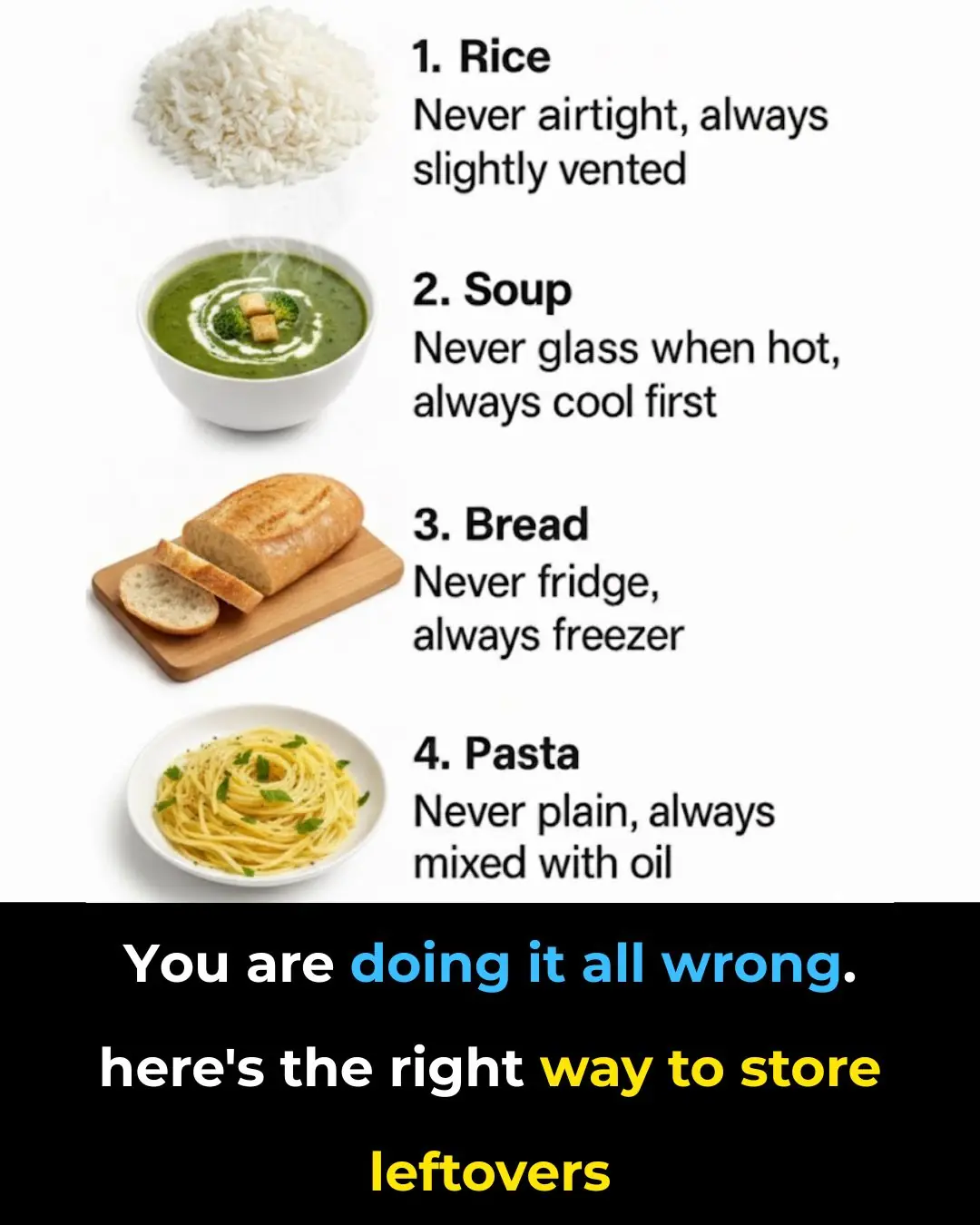
You’re Doing It All Wrong: The Proper Way to Store Leftovers

From Rain to Runway: How Singapore’s Changi Airport Saves Over 8 Million Gallons of Water a Year

Rising Tide of Change: The World’s Coastlines Are Entering a New Era

The Girl Who Said No — And Changed a Nation Forever

Fresh Trump Approval Poll Shows What

Say Goodbye to Swelling

8 Instant, Medicine-Free Ways to Relieve Motion Sickness: Travel Comfortably on Any Trip

Doctors Warn: 9 Dangerous Food Pairings That May Produce Toxins or Increase Long-Term Health Risks

7 Foods That Don’t Spoil Easily: Safe to Eat Even After the “Expiration Date”

Prevent Stroke and Brain Infarction: Remember 3 Key Health Figures, 1 Serious Condition, and Don’t Ignore These 6 Risk Factors

10 Signs You’re Not Drinking Enough Water
News Post

Doctors reveal that eating beets causes...

Understanding Liver Damage: Stages, Causes, and How to Prevent It

Kaaba’s Radiant Glow Seen from Space: A Celestial Spotlight on Islam’s Holiest Site

Scientific Breakthroughs in Women's Health: How Research is Finally Addressing Gender Gaps

Monkeys, Money, and Unexpected Behavior: Insights from a 2005 Yale Study on Capuchin Monkeys and Economic Decision-Making

How Europe's Skin Pigmentation Evolved: Dark to Light Over Millennia

Bamboo and Hemp: Sustainable Solutions for a Greener, Plastic-Free Future

People with heart problems should avoid these 4 things to reduce stimulation to the heart

12 Bizarre Symptoms of Vitamin D Deficiency You Need to Know

Natural Remedies and Prevention Strategies for Bunions: What Really Works

Natural Scar Remedies: How Scars Form and the Most Effective Evidence-Based Treatments to Help Them Fade

Eight Digestive Red Flags You Should Never Ignore: Causes, Risks, and When to Seek Medical Care

How Microscopic Glass Flaws Can Lead to Oven Door Breakage—and How to Prevent It

A Complete Guide to Bulging Veins: Causes, Complications, and Care

The Myth of “Safe” Smoking Debunked: How Minimal Tobacco Use Still Damages the Body

Boost Your Memory Naturally: How Rosemary's Scent Enhances Cognitive Function by 75%

The Regal Cat on the Beer Box: A Quiet Reminder of the Power of Stillness and Simplicity

Johan Eliasch's Impact on Amazon Conservation: A Commitment to Sustainable Practices and Empowering Indigenous Communities

Woman reveals 5 colon cancer symptoms that shouldn’t be ignored