A Single Act of Kindness at the Airport Could Ruin Your Life
Tips 18/01/2026 21:13
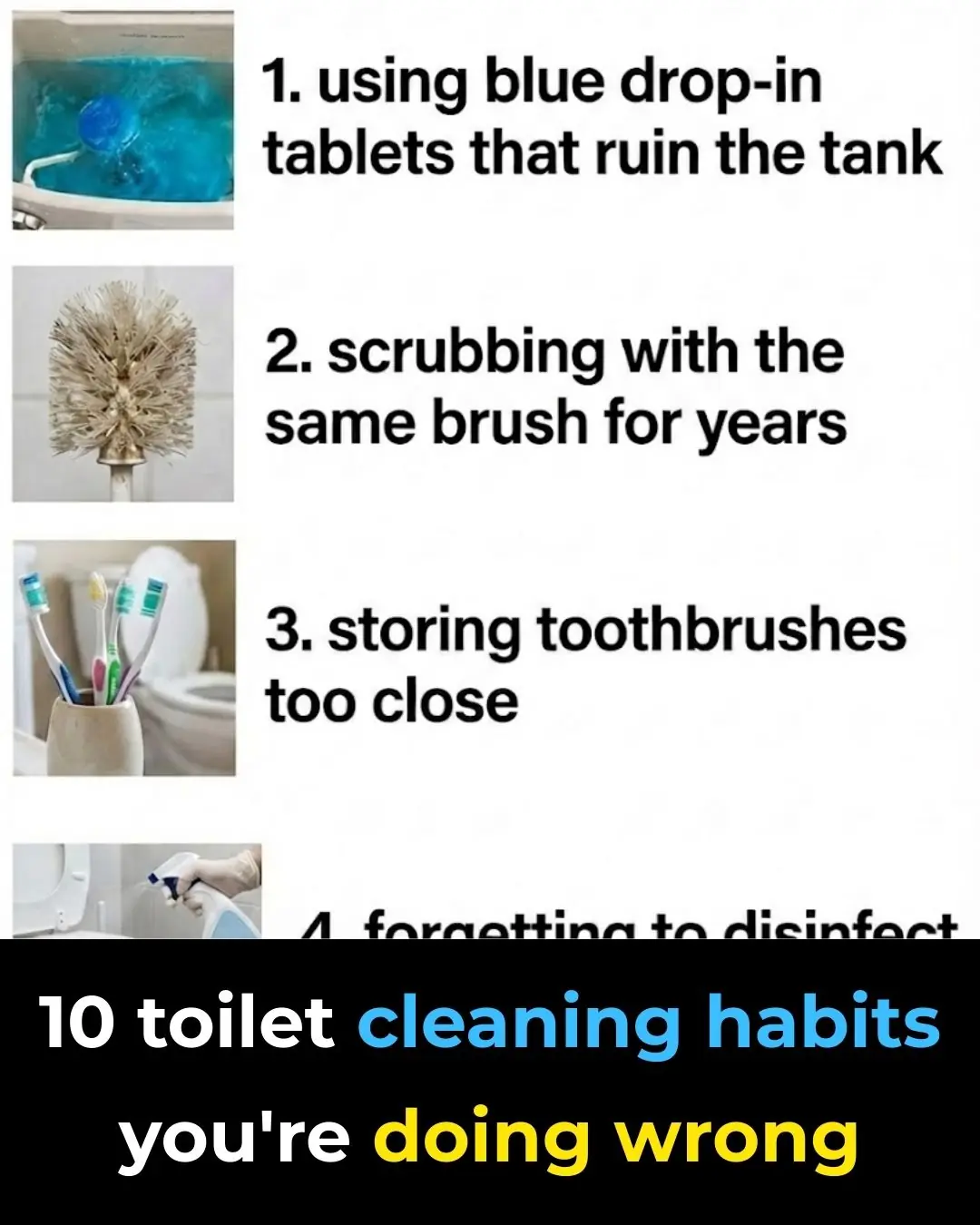
Cleaning the toilet is one of the least enjoyable household chores, yet it plays a crucial role in maintaining a healthy and hygienic home. Because toilets are a breeding ground for bacteria, germs, and unpleasant odors, improper cleaning habits can compromise bathroom cleanliness, shorten the lifespan of plumbing fixtures, and even pose health risks to your household.
Despite good intentions, many people unknowingly make mistakes that reduce cleaning effectiveness or cause long-term damage. From using harsh chemicals incorrectly to overlooking hidden areas, these habits can turn a routine task into a costly problem.
In this comprehensive guide, we’ll explore 11 common toilet cleaning mistakes you may be making — and provide practical, effective solutions to help you clean smarter, safer, and more efficiently. By the end, you’ll know how to maintain a truly sanitary toilet while protecting your plumbing and the environment.
Blue drop-in toilet tablets are marketed as a convenient way to keep toilets fresh and clean. While they may tint the water and mask odors, they often contain harsh chemicals such as bleach and chlorine.
Why it’s a problem:
These chemicals continuously sit inside the toilet tank, gradually deteriorating rubber seals, gaskets, and flappers. Over time, this can cause leaks, corrosion, and costly plumbing repairs.
Better alternative:
Skip the tablets and clean manually with gentler solutions. A simple, eco-friendly option is:
1 cup of white vinegar
¼ cup of baking soda
Pour the vinegar into the bowl, add baking soda, let it fizz for several minutes, then scrub and flush. This method cleans effectively without damaging internal components.
The underside of the toilet rim is one of the most commonly overlooked areas — and one of the dirtiest.
Why it’s a problem:
This hidden area collects mineral deposits, mold, and bacteria that cause lingering odors and stains. Regular brushing often fails to reach it.
How to fix it:
Apply toilet cleaner directly under the rim and let it sit for at least 10 minutes. Use a toilet brush with angled bristles to scrub thoroughly. Cleaning under the rim weekly can dramatically improve overall hygiene.
Many households keep the same toilet brush for years, unaware that it becomes less effective and more contaminated over time.
Why it’s a problem:
Frayed bristles don’t clean properly, and old brushes harbor bacteria that can spread back into the bowl.
Best practice:
Replace your toilet brush every six months. Choose a model with a replaceable head to reduce waste. After each use, rinse it with hot water and disinfectant, then allow it to dry completely.
This mistake extends beyond toilet cleaning but has serious hygiene implications.
Why it’s a problem:
Flushing a toilet releases microscopic droplets containing bacteria into the air — a phenomenon known as “toilet plume.” These droplets can land on nearby toothbrushes.
How to prevent contamination:
Store toothbrushes at least 6 feet (about 2 meters) from the toilet
Use protective toothbrush covers
Always close the toilet lid before flushing
Toilet seat hinges often escape notice, even during thorough cleaning sessions.
Why it’s a problem:
Dirt, urine residue, and bacteria accumulate in these tight spaces, creating unpleasant odors and unsanitary conditions.
Solution:
Use a small brush or an old toothbrush with disinfectant to scrub around the hinges. For a deeper clean, remove the toilet seat entirely once a month to clean underneath thoroughly.
The flush handle is one of the most frequently touched surfaces in the bathroom — and one of the most neglected.
Why it’s a problem:
It can harbor germs that spread easily between users, especially in shared bathrooms.
Best habit:
Disinfect the flush handle every time you clean the toilet. Use a disinfectant spray or wipe and allow it to sit for at least 30 seconds before wiping dry.
Strong chemicals like bleach are often seen as the ultimate cleaning solution — but overuse can be harmful.
Why it’s a problem:
Frequent use of harsh cleaners can erode the toilet’s protective glaze, causing scratches and microscopic cracks where bacteria can hide.
Smarter approach:
Use harsh chemicals only for heavy-duty cleaning or disinfection. For regular maintenance, stick to milder solutions such as vinegar, baking soda, or eco-friendly toilet cleaners.
Most people never think to clean inside the toilet tank — until problems arise.
Why it’s a problem:
Mineral buildup, mold, mildew, and rust inside the tank can affect flushing performance and create unpleasant odors.
How to clean it safely:
Turn off the water supply
Flush to empty the tank
Scrub with a mixture of:
1 cup vinegar
½ cup baking soda
Let sit for 10–15 minutes, then rinse
Cleaning the tank every 3–6 months helps maintain efficiency and freshness.
Even if you clean the toilet brush, the holder itself often gets ignored.
Why it’s a problem:
Water and residue collect at the bottom, creating a breeding ground for bacteria and foul odors.
Solution:
Soak the holder in hot water and disinfectant for at least 10 minutes. Rinse thoroughly and dry before placing the brush back inside.
Speed-cleaning may save time, but it sacrifices effectiveness.
Why it’s a problem:
Disinfectants need time to work. Rushing prevents cleaners from breaking down grime and killing germs properly.
Better habit:
Allow cleaners to sit for the recommended time. Clean methodically, covering the bowl, rim, seat, hinges, handle, and surrounding floor.
Routine cleaning alone isn’t enough to maintain long-term hygiene.
Why deep cleaning matters:
Weekly cleanings often miss hidden or hard-to-reach areas where grime and bacteria accumulate.
Best practice:
Schedule a deep clean at least once a month. This should include:
Removing the toilet seat
Cleaning inside the tank
Disinfecting hinges and base
Scrubbing the floor around the toilet
Regular deep cleaning prevents buildup and keeps your bathroom fresh and healthy.
A clean toilet isn’t just about appearances — it’s about protecting your health, preserving your plumbing, and maintaining a hygienic home. By avoiding these common mistakes and adopting smarter cleaning habits, you can achieve better results with less effort and fewer harsh chemicals.
A little extra care, consistency, and attention to detail go a long way toward creating a cleaner, safer bathroom for everyone in your household.