Fry the fish with these two ingredients, and it will be crispy, fragrant, and won't stick to the pan.
Tips 24/12/2025 18:04

Tartar, medically known as dental calculus, is a hardened deposit that forms on the teeth and along the gumline when dental plaque is left untreated. Plaque itself is a sticky film of bacteria that develops naturally on the teeth after eating or drinking. When plaque is not removed regularly through brushing and flossing, minerals from saliva bind to it, causing it to harden into tartar.
Once tartar forms, it becomes much more difficult to remove and cannot be eliminated by brushing alone. In addition to causing yellow or brown stains on the teeth, tartar increases the risk of cavities, gum inflammation, and periodontal disease. Its rough surface allows even more plaque to cling to the teeth, creating a continuous cycle of buildup that can quickly worsen oral health if left unchecked.
Practicing proper oral hygiene is the foundation of preventing tartar formation and maintaining healthy teeth and gums. Daily brushing and flossing remove plaque before it has a chance to harden. Using an antibacterial mouthwash can further reduce harmful bacteria and slow plaque accumulation.
Routine dental check-ups are equally important. Once tartar has formed, only a dental professional can safely remove it using specialized tools. Maintaining good oral hygiene not only protects against tartar and gum disease but also helps prevent bad breath, tooth sensitivity, and long-term dental complications.
Baking soda is a gentle abrasive that helps loosen plaque and remove surface stains from teeth. When paired with hydrogen peroxide, which has antibacterial and whitening properties, it can become an effective at-home remedy for reducing tartar buildup.
To prepare the paste, mix two tablespoons of baking soda with one tablespoon of hydrogen peroxide. Brush gently for about two minutes, then rinse thoroughly. Used occasionally, this method can help improve tooth brightness and limit plaque accumulation without excessive effort.
Apple cider vinegar is widely known for its antibacterial properties and its ability to break down mineral deposits. When diluted properly, it may help reduce plaque and early tartar buildup.
Mix equal parts apple cider vinegar and water, swish the solution around your mouth for one to two minutes, and then rinse thoroughly with plain water. Because vinegar is acidic, it’s important not to overuse this method, as excessive exposure may weaken tooth enamel over time.
Oil pulling is a traditional oral care practice that involves swishing oil in the mouth to remove bacteria. Coconut oil is especially beneficial due to its antimicrobial and anti-inflammatory properties.
To practice oil pulling, place one tablespoon of coconut oil in your mouth and gently swish it around for 15–20 minutes. Spit it out and rinse with warm water. When done consistently, oil pulling may help reduce plaque buildup, support gum health, and improve breath freshness.
Orange peels contain vitamin C and limonene, compounds that may help weaken plaque and reduce bacteria in the mouth. They also support enamel health and can contribute to a brighter smile.
Rub the inside of a fresh orange peel directly on your teeth for a few minutes, or grind dried peels into a powder and mix with a little water to form a paste. With regular use, this natural method may help slow tartar formation and improve tooth appearance.
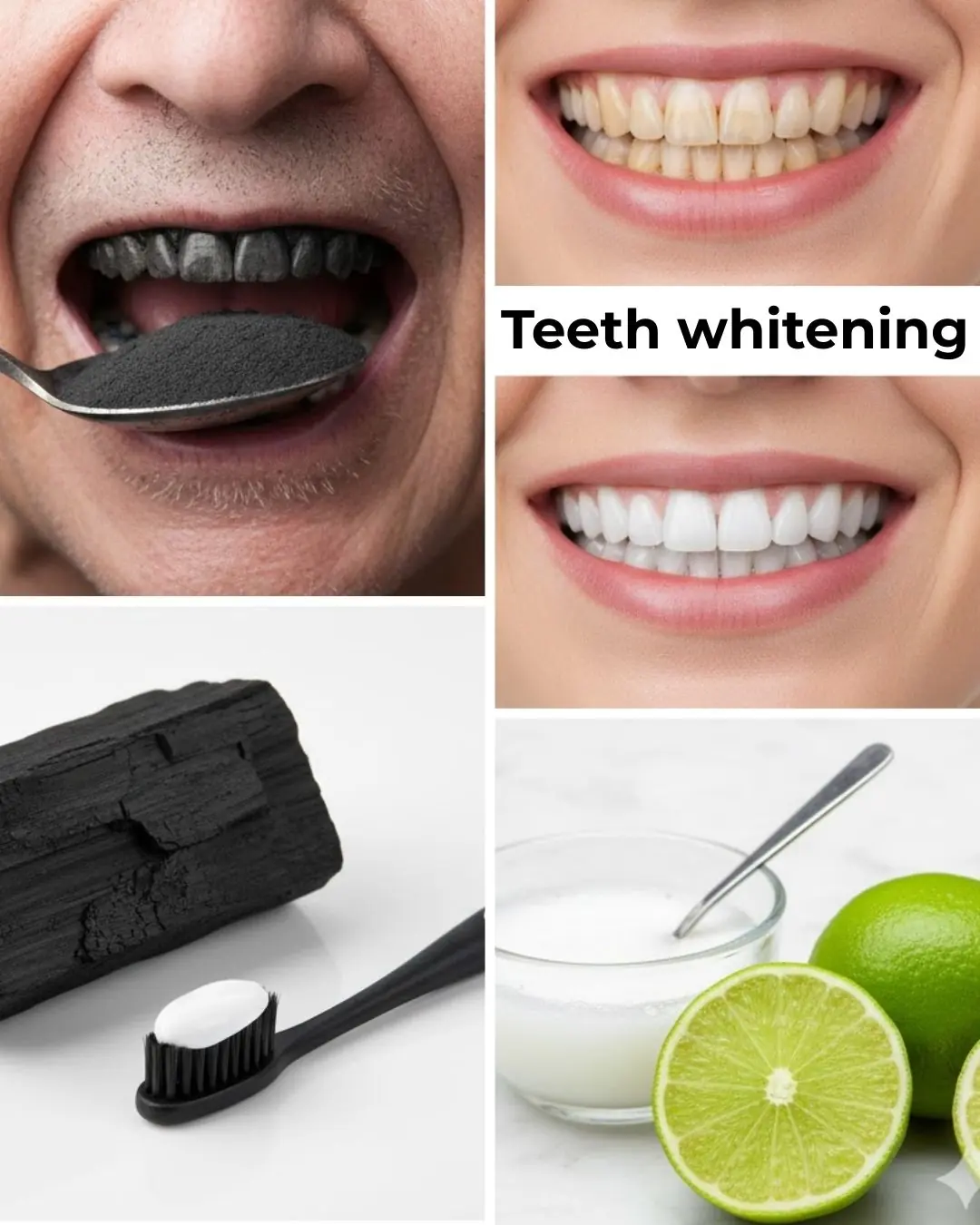
Activated charcoal has become popular for natural teeth whitening because of its porous structure, which can absorb surface stains and toxins. It may also help reduce plaque when used sparingly.
To use, dampen your toothbrush, dip it into powdered activated charcoal, and brush gently for about two minutes. Rinse thoroughly afterward. Since charcoal can be abrasive, it should be used no more than once or twice a week to protect enamel.
Aloe vera is well known for its antibacterial and anti-inflammatory benefits. When used in oral care, it can help reduce bacteria, soothe irritated gums, and limit plaque buildup.
Mix one teaspoon of aloe vera gel with a pinch of baking soda and a few drops of lemon essential oil. Brush with this mixture for two minutes, then rinse thoroughly. This remedy supports gum comfort while helping to control tartar development.
Green tea contains powerful antioxidants called catechins, which help reduce inflammation and inhibit bacterial growth in the mouth. Regular consumption of green tea may lower plaque formation and reduce the risk of tartar buildup.
In addition to supporting gum health, green tea can help freshen breath and protect enamel. Drinking one to two cups daily is an easy and effective way to support long-term oral health.
While these natural hacks can help reduce plaque and slow tartar formation, they work best when combined with consistent oral hygiene habits. Brushing twice a day, flossing daily, using mouthwash, and visiting your dentist regularly remain essential for long-term dental health.
By incorporating a few of these simple, low-effort strategies into your routine, you can enhance your oral care, reduce tartar buildup, and maintain a cleaner, healthier, and brighter smile over time.