His whole body was itchy, he thought it was an allergy but then he was diagnosed
Health 06/12/2025 18:33
Chronic gastritis is a long-term inflammatory condition that affects the lining of the stomach. Unlike acute gastritis, which develops suddenly and often resolves quickly, chronic gastritis progresses slowly over months or years. Over time, the persistent inflammation can damage the stomach lining, reduce stomach acid production, interfere with nutrient absorption, and increase the risk of ulcers and even stomach cancer.
Because the symptoms can be subtle or appear only intermittently, many people overlook early warning signs. Understanding the causes, symptoms, and available treatment options is essential to preventing long-term complications.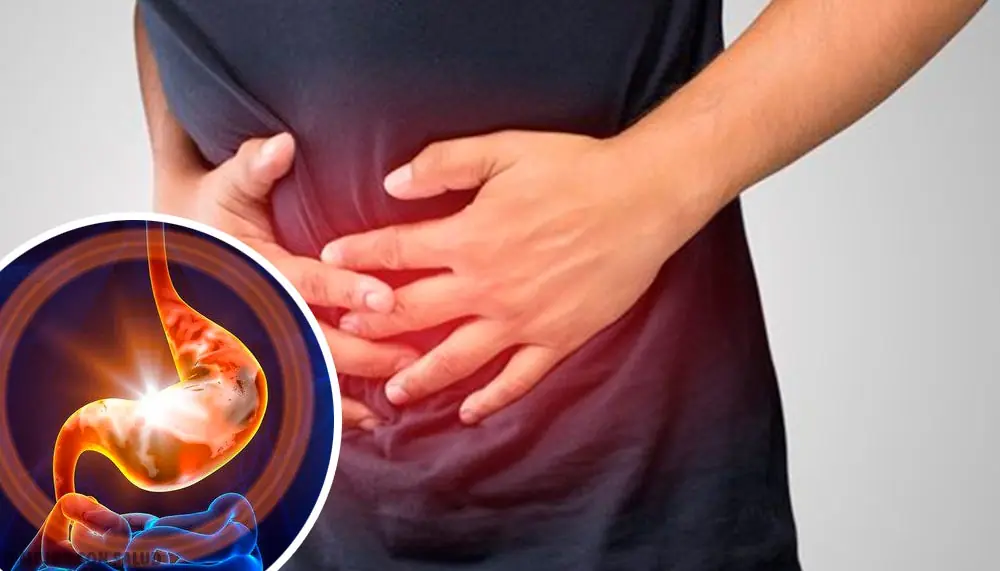
The stomach lining contains specialized cells responsible for producing mucus, stomach acid, and digestive enzymes. In chronic gastritis, these cells become damaged due to persistent inflammation. If the damage continues, the stomach lining can thin out (a condition called atrophic gastritis), reducing its protective function.
This condition is common across all age groups but becomes more frequent as people get older. Many cases remain undiagnosed because the symptoms can mimic common digestive issues.
Several underlying factors can trigger long-term inflammation in the stomach:
This bacteria is the leading cause of chronic gastritis globally. H. pylori weakens the protective mucus layer, allowing acid to irritate the stomach lining. Without treatment, the infection can persist for decades.
Nonsteroidal anti-inflammatory drugs such as ibuprofen, aspirin, and naproxen are known to irritate the stomach lining. Overuse reduces the stomach’s ability to produce protective mucus, leading to chronic inflammation.
Alcohol acts as a stomach irritant and can inflame the lining when consumed regularly or in large amounts.
Autoimmune gastritis occurs when the immune system mistakenly attacks the stomach lining. This type is often linked to vitamin B12 deficiency and can lead to anemia.
Long-term stress, irregular eating habits, smoking, and high caffeine consumption can all contribute to chronic irritation and inflammation.
As people age, the stomach lining naturally becomes thinner and more vulnerable to inflammation.
Symptoms vary based on the severity of the inflammation and the underlying cause. Some people experience constant discomfort, while others feel symptoms only after meals.
Common signs include:
Persistent upper abdominal pain or burning
Bloating or feeling overly full after eating
Nausea and occasional vomiting
Loss of appetite
Burping and acid reflux
Black or tarry stools (indicating bleeding)
Fatigue (usually due to anemia)
Unexplained weight loss
Because these symptoms overlap with other digestive conditions, proper medical evaluation is essential.
If left untreated, chronic gastritis can gradually worsen and lead to serious complications:
Peptic ulcers
Vitamin B12 deficiency
Iron-deficiency anemia
Stomach polyps
Atrophic gastritis
Higher risk of stomach cancer
The good news: early treatment significantly reduces these risks.
Doctors use several methods to diagnose this condition:
A thin tube with a camera is inserted into the stomach to inspect the lining for redness, thinning, or bleeding.
This may include blood tests, stool samples, breath tests, or biopsies.
These check for anemia, vitamin deficiencies, and immune system activity.
Used to detect blood or infection in the digestive tract.
Effective treatment depends on the cause:
When bacteria is present, doctors prescribe a combination of antibiotics and acid-reducing medications to eradicate it.
Medications include:
Proton pump inhibitors (PPIs)
H2 blockers
Antacids
These help protect the stomach lining and promote healing.
Avoid spicy, fried, or acidic foods
Limit alcohol and caffeine
Eat smaller, more frequent meals
Reduce stress
Quit smoking
Vitamin B12 or iron supplements may be necessary for those with deficiencies.
You should consult a doctor if you experience:
Severe or persistent stomach pain
Blood in stool or vomit
Sudden unexplained weight loss
Symptoms lasting more than two weeks
Chronic gastritis is a slow-progressing condition that can significantly impact your digestive health if left unmanaged. The key lies in early detection, proper diagnosis, and consistent lifestyle adjustments. With the right treatment, most people recover fully and avoid long-term complications.