A major shredded cheese recall: here’s what shoppers need to check
Health 06/12/2025 18:46
Lung cancer is one of the most deadly cancers worldwide, not only because of its aggressive nature but also because it often goes unnoticed during its early stages. Many early symptoms mimic mild respiratory illnesses, stress, aging, or common lifestyle-related problems. This leads to delayed diagnosis — the most dangerous factor in lung cancer progression.
Understanding the early symptoms that are often misdiagnosed can save lives. Below are eight lung cancer warning signs people frequently overlook, and why they happen.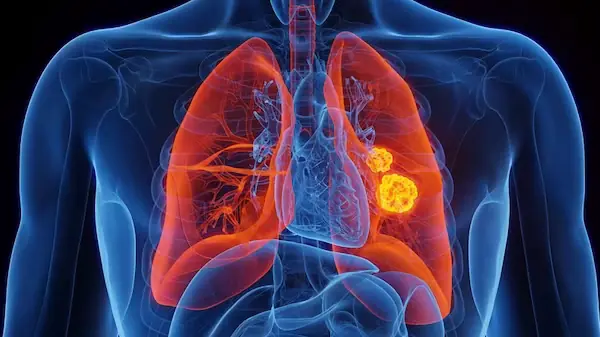
A chronic cough lasting longer than three weeks is one of the earliest signs of lung cancer. Many people assume it’s due to allergies, a lingering cold, or smoking.
Warning signs include:
A cough that worsens over time
A deeper or hoarser sound
Coughing up blood or rust-colored mucus
Never ignore a persistent cough — especially if it feels different from usual.
Shortness of breath is often attributed to lack of exercise, aging, or anxiety. In lung cancer, tumors can block airways or cause fluid buildup, making it harder to breathe.
If you find yourself out of breath doing tasks that used to be easy, it’s an important red flag.
Chest pain associated with lung cancer often:
Worsens with deep breathing or coughing
Radiates to the shoulders or back
Feels sharp or constant
Many people mistake this for heartburn, muscle strain, or stress — delaying necessary evaluation.
Cancer cells consume energy rapidly, leading to sudden and unexplained weight loss. If you're losing weight without changing your diet or activity level, lung cancer can be one of the causes.
Cancer-related fatigue is different from normal tiredness. It can feel overwhelming even after a full night’s sleep. Many misdiagnose it as stress, depression, or anemia.
Recurring bronchitis, pneumonia, or chronic chest congestion may indicate the presence of a tumor obstructing airflow and trapping bacteria.
If you get infections more often than usual, it's important to check your lungs.
A tumor pressing on nerves that control the vocal cords can alter your voice.
Symptoms include:
A raspy or hoarse voice
Lower pitch
Difficulty speaking clearly
Many assume it’s due to a cold or overusing the voice.
Advanced lung cancer can spread to the bones, causing pain in:
Back
Hips
Ribs
Shoulders
People often confuse this with arthritis or muscle strain.
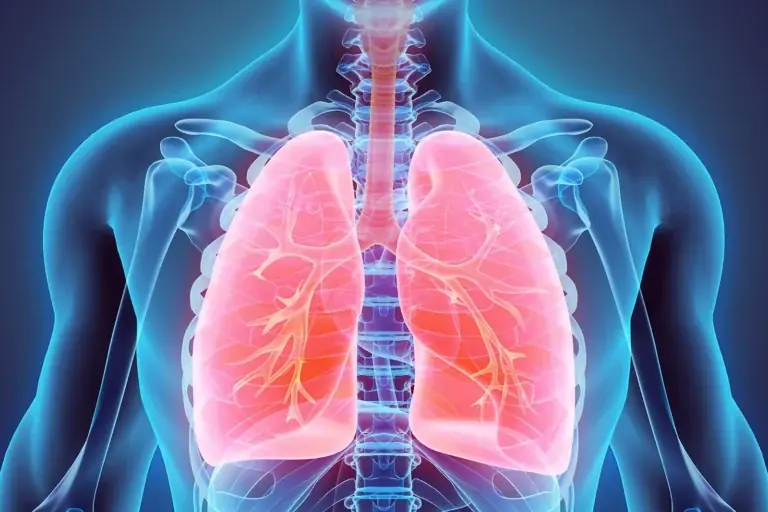
Because the early symptoms resemble:
Asthma
Viral infections
Acid reflux
Allergies
Anxiety
Age-related changes
Most people don’t suspect cancer until symptoms become severe.
Smoking (active or passive)
Air pollution
Radon exposure
Family history
Previous radiation therapy
Exposure to chemicals (asbestos, arsenic)
If you have any of these risk factors, pay close attention to even mild symptoms.
Doctors may use:
Chest X-rays
CT scans
PET scans
Biopsies
Bronchoscopy
Blood tests
Early diagnosis improves survival rates dramatically.
Depending on the cancer stage:
Surgery
Radiation therapy
Chemotherapy
Immunotherapy
Targeted therapy
A combination of treatments is often the most effective.
Lung cancer is dangerous because it hides behind symptoms we often ignore. Recognizing these subtle early signs can lead to prompt diagnosis — and potentially save your life. Listen to your body, track symptoms, and never dismiss persistent changes.