Type 2 Diabetes: Early Symptoms and Effective Ways to Control It
Health 06/12/2025 17:36
Kidney disease is often called a “silent killer” for a reason — it can quietly damage your kidneys for years without showing any obvious symptoms. By the time people realize something is wrong, the kidneys may already have lost up to 80% of their function. This makes early awareness crucial. Understanding the symptoms, causes, and effective prevention strategies can help protect your long-term health.
In this article, we’ll break down everything you need to know about silent kidney disease, how to identify early warning signs, and practical steps to reduce your risk.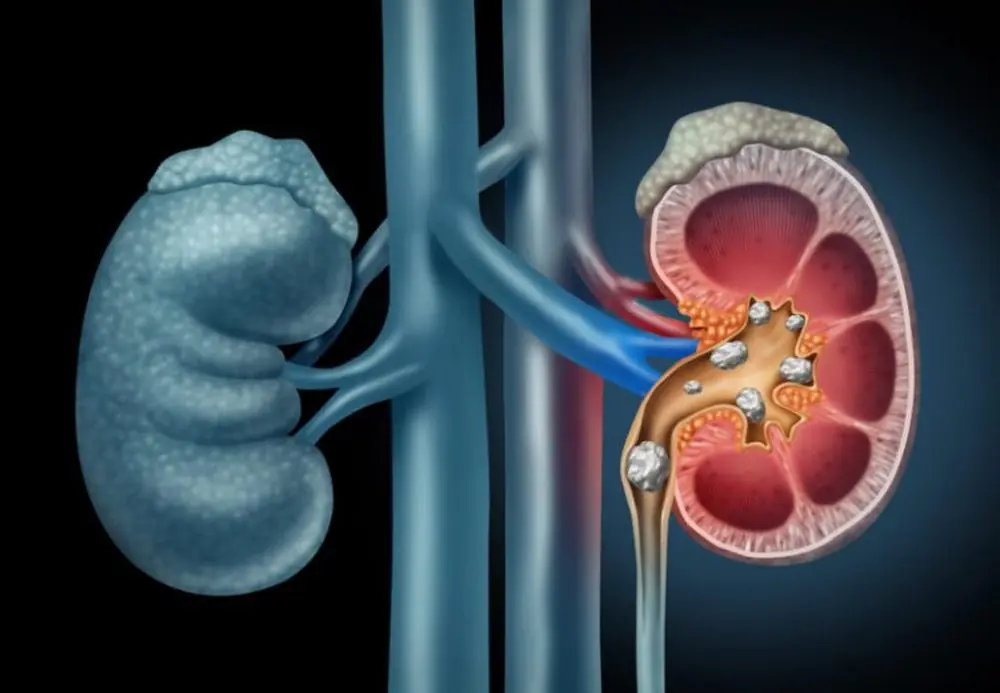
Silent kidney disease refers to chronic kidney disease (CKD) that progresses with little or no symptoms during the early stages. The kidneys are responsible for filtering waste, balancing electrolytes, and regulating blood pressure. When they are damaged slowly over time, the body adapts, and symptoms may not appear until the disease becomes severe.
Most people only discover they have kidney issues through routine blood tests, urine tests, or during diagnosis for another condition like high blood pressure or diabetes.
Because the kidneys are incredibly resilient.
They can continue functioning normally even when they are only working at 40–50% capacity. This delay in symptoms is what makes CKD dangerous — and why millions of people are unaware they have it until much later.
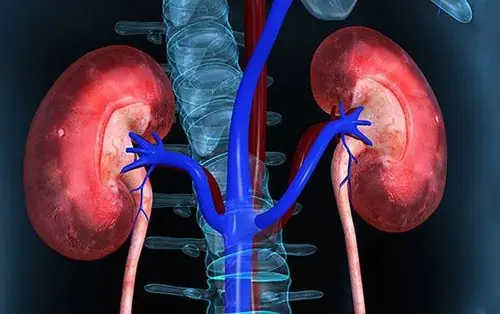
Although early signs are subtle, the body does give small clues. Recognizing them can help you detect kidney problems early and prevent serious complications.
Below are the most common symptoms:
Healthy kidneys produce a hormone called erythropoietin, which helps create red blood cells. When kidney function declines, red blood cell production drops, leading to anemia.
This causes:
Constant tiredness
Weakness
Difficulty concentrating
If you’re feeling unusually exhausted even with enough sleep, your kidneys may be under stress.
Kidneys help regulate fluid balance. When they stop functioning properly, fluid builds up in the body, causing:
Puffy ankles
Swollen feet
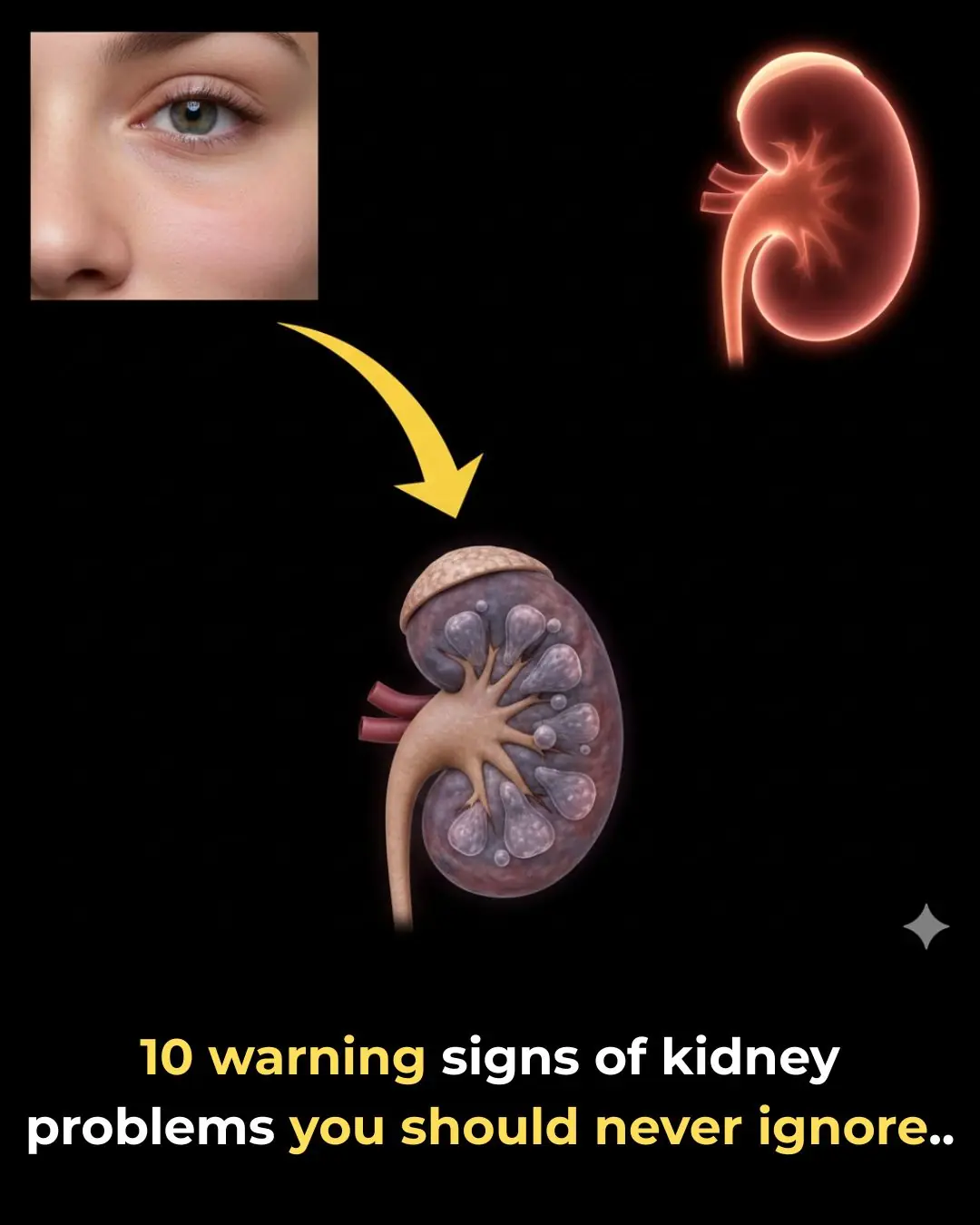
Facial swelling, especially around the eyes
Many people dismiss this as weight gain or salt retention, but persistent swelling is a common kidney warning sign.
Pay attention to your urine — it can reveal early kidney issues.
Possible changes include:
Foamy or bubbly urine (a sign of protein leakage)
Urinating more often, especially at night
Dark, cloudy, or bloody urine
Difficulty urinating
Decreased urine output
While these symptoms can also indicate bladder or prostate issues, they should not be ignored.
When kidneys fail to remove toxins from the blood, waste builds up, causing dry, itchy skin. This itching tends to be widespread and persistent, unrelated to allergies or skin conditions.
Kidneys help remove waste from the body. When waste accumulates:
Food may taste strange
You may feel nauseous
You may lose interest in eating
You may notice unexplained weight loss
A metallic taste in the mouth is also common.
Imbalances in electrolytes — especially calcium, sodium, and potassium — often result in:
Frequent muscle cramps
Spasms
Tingling sensations
This usually appears in later stages of CKD, but for some, it may occur earlier.
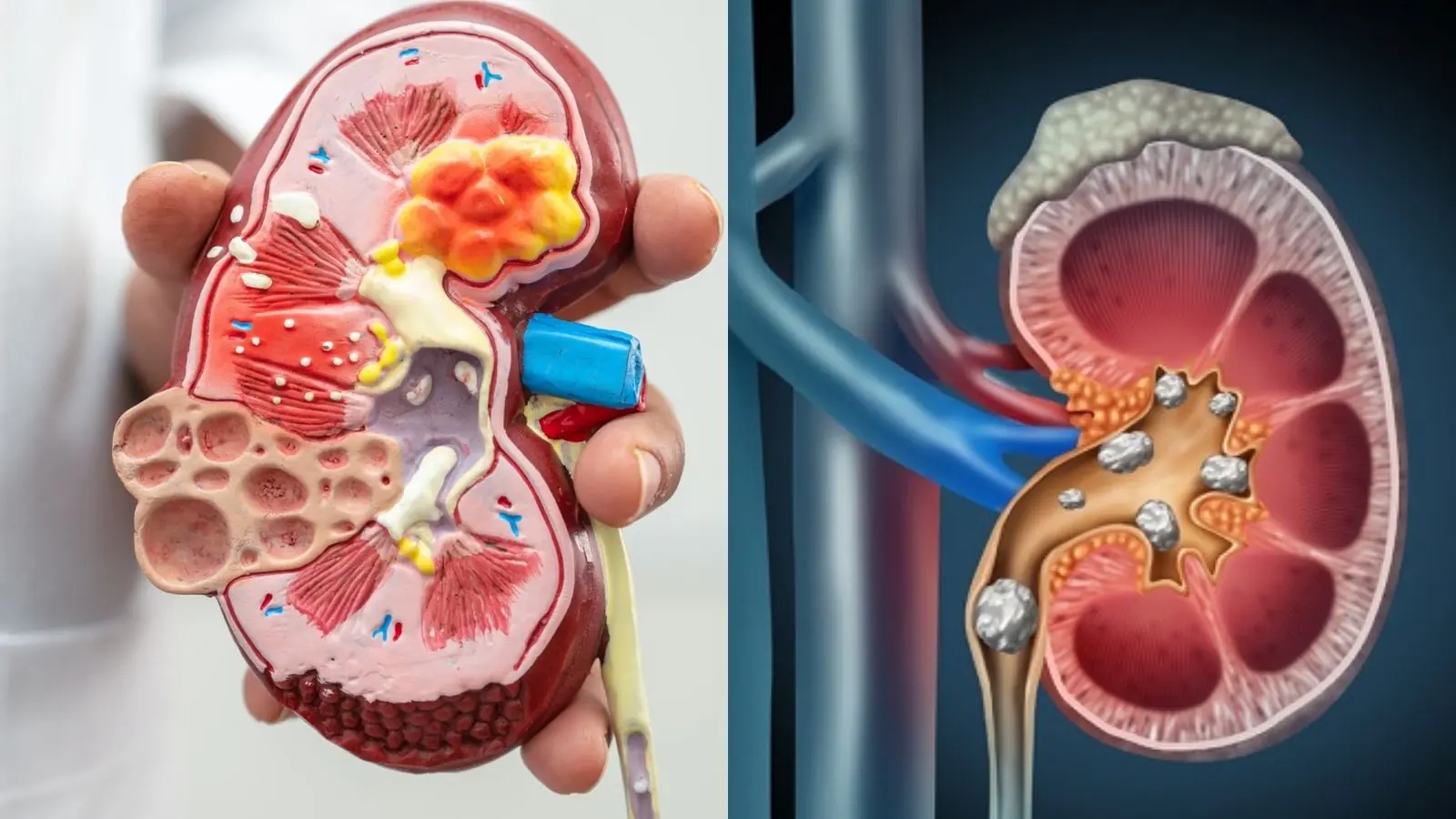
Understanding what leads to kidney damage is key to prevention. Silent kidney disease is typically caused by long-term conditions that damage kidney tissues gradually.
Here are the most common causes:
High blood sugar damages the tiny blood vessels in the kidneys, reducing their filtering ability. Diabetes is the leading cause of CKD worldwide.
Signs of diabetic kidney damage include:
Foamy urine
High creatinine
Elevated albumin levels in the urine
Uncontrolled high blood pressure puts constant strain on the blood vessels in the kidneys. Over time, this leads to scarring and reduced kidney function.
Poor heart function can slow blood flow to the kidneys, making them work less efficiently. Heart disease and kidney disease often worsen each other.
Certain inherited conditions such as polycystic kidney disease (PKD) cause cysts to form in the kidneys, gradually impairing their function.
Chronic use of NSAIDs like ibuprofen or naproxen can cause kidney inflammation and long-term damage.
Not drinking enough water forces the kidneys to work harder, increasing the risk of stones and long-term deterioration.
Recurrent infections can scar kidney tissue, eventually leading to chronic kidney disease.
While some risks are unavoidable, many can be controlled with lifestyle changes and routine health check-ups.
Here are effective prevention strategies:
For people with diabetes:
Monitor blood glucose regularly
Follow a balanced diet low in refined sugar
Take medications as prescribed
Exercise regularly
Keeping blood sugar stable reduces kidney strain dramatically.
Aim for: < 130/80 mmHg
Tips:
Lower salt intake
Manage stress
Exercise 3–5 times a week
Avoid excessive alcohol
Get regular blood pressure checks
Drinking 1.5–2 liters of water daily:
Helps kidneys filter toxins
Reduces kidney stone risk
Prevents chronic dehydration
Choose foods that support kidney function:
Leafy greens
Berries
Whole grains
Beans
Fatty fish
Olive oil
Cucumbers
Limit:
Excess salt
Processed foods
Red meat
Sugary drinks
High-sodium snacks
Use pain medication only when necessary and avoid long-term, daily use unless prescribed by a doctor.
Physical activity improves circulation, reduces blood pressure, and supports good kidney function.
Aim for 30 minutes of moderate exercise 5 days per week.
Both habits damage blood vessels and greatly increase kidney disease risk.
Especially if you have diabetes, hypertension, or a family history of kidney disease.
Ask your doctor for:
Blood test (creatinine, eGFR)
Urine test (albumin)
Blood pressure check
Early detection can slow or completely stop CKD progression.
Silent kidney disease progresses slowly, quietly, and often invisibly — but that doesn’t mean it’s unstoppable. By recognizing early symptoms, understanding the common causes, and making smart lifestyle choices, you can significantly reduce your risk.
Protecting your kidneys today means protecting your future health. If you notice persistent fatigue, swelling, changes in urination, or itching, don’t ignore them. Early testing saves lives.