Getting up to pee often in the night could be a symptom linked to...
While it’s not uncommon for us to get up once in a while during the night to use the washroom, research suggests that getting up too frequently may be an indication of hypertension [1]. Frequent nightly urination, also known as nocturia is associated with and can be one of the early symptoms of congestive heart failure [2][3].
Why We Get Up To Pee At Night
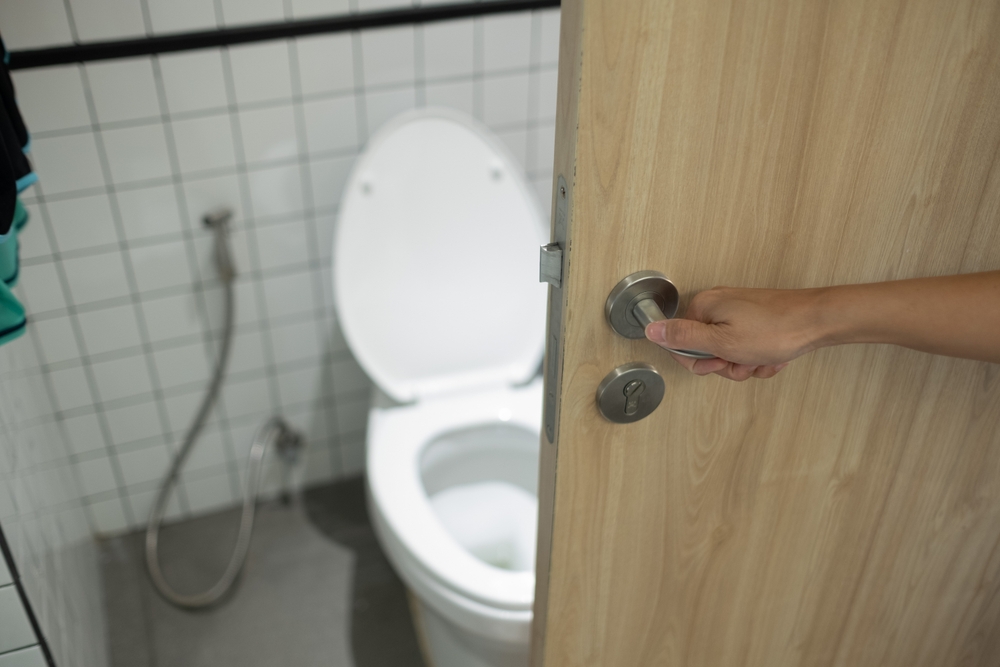
Typically we should be able to get between 6 to 8 hours of uninterrupted sleep each night. However, those who wake up to urinate frequently, do not have a normal sleep cycle. There are many reasons why you might get up to pee at night: [4]
- High fluid intake
- Drinking alcohol or caffeine at night
- Small bladder capacity
- High blood pressure [2],[1]
- Untreated diabetes (Type 1 and Type 2)
- Pregnancy
- Water retention
- Sleep apnea
- Benign prostatic hyperplasia (BPH) in men [5]
- Certain drugs such as diuretics, cardiac glycosides, demeclocycline, lithium, methoxyflurane, phenytoin, propoxyphene, and excessive vitamin D [4]
Read More: Group in Boulder Drinks Their Own Pee for ‘Health Benefits’
How Are Late Night Bathroom Trips Linked To High Blood Pressure
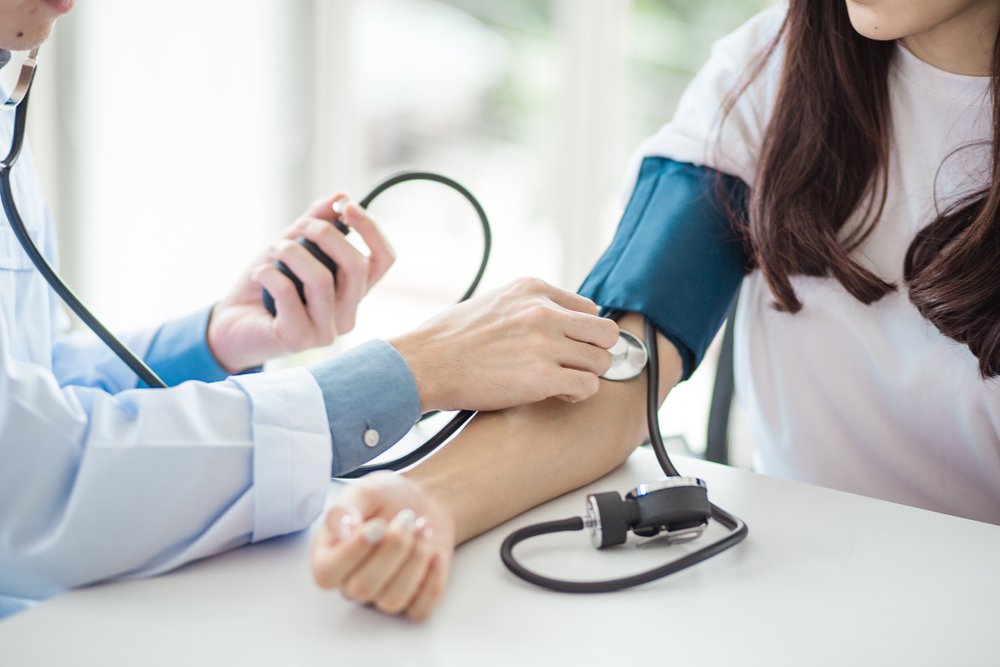
More recently, a study by researchers in Japan found that the number of bathroom trips during the night could be associated with high blood pressure [1]. The study was presented on March 30th, 2019 at the 83rd Annual Scientific Meeting of the Japanese Circulation Society (JCS 2019).
In this study, 1,882 participants completed a health questionnaire, of these people 1,295 got up to pee at least once per night, on average. Those who got up to urinate at least once per night were linked with a 40 percent greater chance of having hypertension.
Read More: Why You Should Pee In The Shower
The Link Between Salt & High Blood Pressure
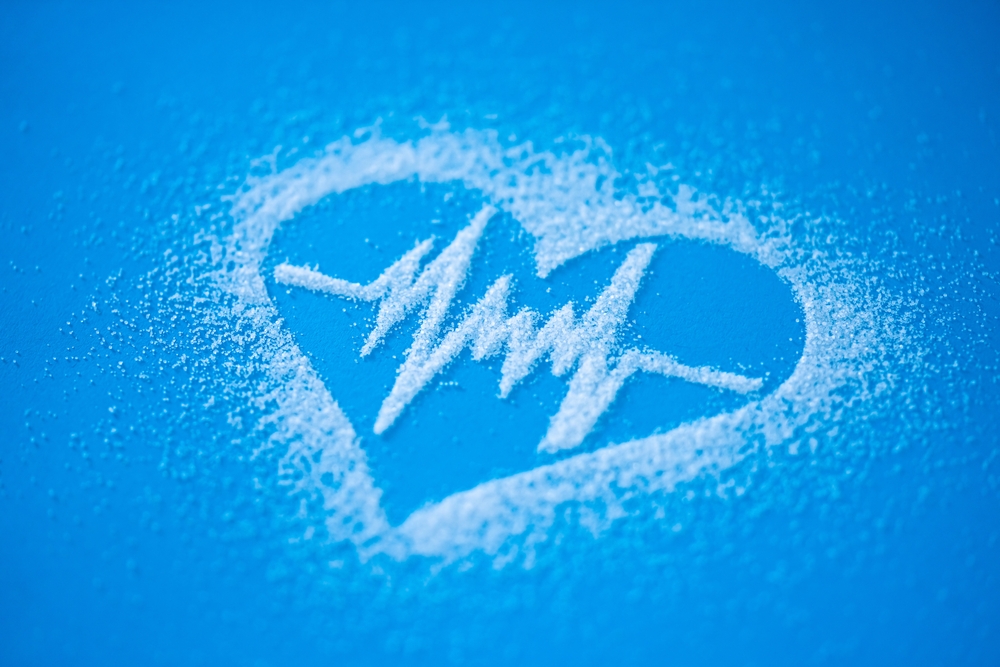
In Japan, where this study took place, there is a dire need to further highlight the link between high sodium intake and high blood pressure. The average salt intake in Japan is approximately 10 grams a day [6]. This is more than double the average salt intake worldwide, which is 4 grams per day.
Excessive salt intake and high blood pressure are key risk factors in the development of cardiovascular disease [7], stroke, and heart failure [8]. Previous studies have already shown this connection that a diet high in salt is associated with having to urinate more often at night [9]. Going to the bathroom once in a while during the night may be normal, however, going two or more times more may be indicative of your state of health.
What Should You Do?
Hypertension is a risk factor for so many diseases including heart disease, stroke, kidney disease, and heart failure. With this information, it is in our best interest to reduce/eliminate high-sodium foods coming from packaged and processed foods, in our efforts to prevent. If you suffer from nocturia or feel that you do, consult with your doctor. Addressing its underlying cause could be life-saving.
News in the same category


The Best Scientifically Proven Foods to Cleanse Your Liver

5 Common Habits That Quietly Damage Your Knees

Why Hot Dogs and Processed Meat Might Be the Most Dangerous Foods of All Time

Epstein–Barr Virus May Reprogram B Cells and Drive Autoimmunity in Lupus

Oral Semaglutide Fails to Slow Cognitive Decline in Early Alzheimer’s Disease, Phase 3 Trials Show

Early Use of Glucocorticoids May Reduce Mortality in Community-Acquired Pneumonia

11 Best and Worst Foods for Boosting Metabolism

Three Ideal Times to Eat Boiled Eggs for Effective Weight Loss and Stable Blood Sugar

A 58-Year-Old Man Ate One Clove of Garlic Every Morning — His Medical Checkup Six Months Later Surprised Doctors

Periodontal Treatment as a Strategy for Cardiovascular and Cerebrovascular Protection

Frequency-Specific Electromagnetic Fields and Cancer Cell Behavior: Evidence and Limitations

Saffron as a Potential Antidepressant: Evidence from Clinical Trials

Metabolic Effects and Limitations of an Extreme Single-Food Diet: Insights from a Sardine-Based Experiment

The Therapeutic Role of Glutamine in Post-Infectious Irritable Bowel Syndrome

The Anti-Inflammatory Potential of Yogurt in Human Health

7 Yoga Poses That Can Help Relieve Lower Back Pain

How To Get Rid Of Eczema: 13 Natural Remedies Backed By Research

Scientists Explain The Effects of Eating Too Much Sugar

10 Simple Ways to Help Your Body Detoxify and Cleanse Itself
News Post

Best Vitamins & Foods for Hair Growth

Homemade Carrot Gel for Glowing Skin & Wrinkles

Potato Toner for Face – Dark Spots, Clear Skin & Pigmentation

after an argument, my husband kicked me out and left me at a bus stop outside the city with no money.

after receiving a huge inheritance, natalya decided to see her husband’s true colors.

after the divorce, my husband threw me out the door without a single penny. i decided to check the old card that my father once gave me, but the banker turned pale and whispered: “madam… you need to see this!” i froze in shock when i found out that

My husband went on a secret trip with his lover and 4 members of her family. When they returned, the house had already been sold. I had packed everything up and moved abroad…

I want to divorce my cheating husband, but the husband of the other woman showed up and gave me $100M, saying: ‘Don’t divorce him just yet, just wait for 3 more months.

My husband SLAPPED my mouth in front of his COWORKERS because of a JOKE. He did not realize that he just ended his own CAREER.

Why Walking After Eating Is So Good for You

My toenail turned thick and yellow. Clinic can’t see me anytime soon. What is this?

This changes everything

The Best Scientifically Proven Foods to Cleanse Your Liver

5 Common Habits That Quietly Damage Your Knees

Why Hot Dogs and Processed Meat Might Be the Most Dangerous Foods of All Time

Epstein–Barr Virus May Reprogram B Cells and Drive Autoimmunity in Lupus

Oral Semaglutide Fails to Slow Cognitive Decline in Early Alzheimer’s Disease, Phase 3 Trials Show

Tips for stir-frying noodles to make them chewy and delicious with less oil: Don't blanch the noodles in boiling water.

Early Use of Glucocorticoids May Reduce Mortality in Community-Acquired Pneumonia