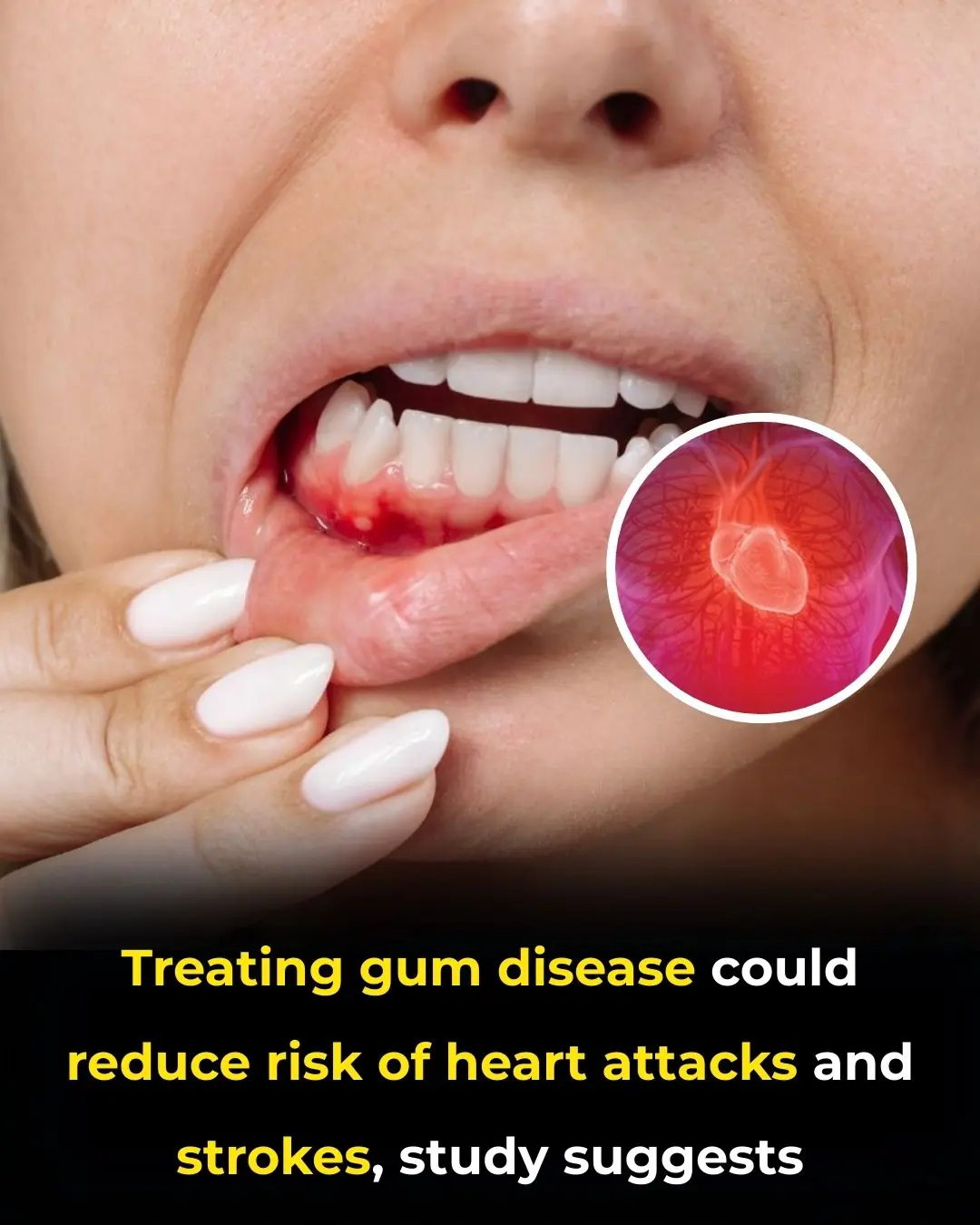
Periodontal Treatment as a Strategy for Cardiovascular and Cerebrovascular Protection
Health 25/12/2025 00:16
Depression is a leading cause of disability worldwide, and while conventional antidepressant medications are effective for many patients, they are often associated with delayed onset of action and undesirable side effects. As a result, increasing attention has been directed toward nutraceuticals and plant-derived compounds as potential alternative or adjunctive treatments. Among these, saffron (Crocus sativus L.) has emerged as a promising candidate supported by growing clinical evidence.
A comprehensive review published in the Yale Journal of Biology and Medicine summarizes multiple randomized, double-blind clinical trials evaluating the antidepressant effects of saffron supplementation. The review reports that a daily dose of approximately 30 mg of saffron administered over 6 to 8 weeks led to significant reductions in depression severity among individuals with mild to moderate depression. These improvements were consistently observed across validated assessment tools, including the Hamilton Depression Rating Scale (HDRS) and the Beck Depression Inventory (BDI), both of which are widely used in clinical and research settings.
Importantly, the antidepressant effects of saffron were not only statistically significant when compared with placebo but also comparable in magnitude to those achieved with standard pharmaceutical treatments. Several trials directly compared saffron supplementation with commonly prescribed antidepressants such as fluoxetine at a dose of 20 mg per day and imipramine at 100 mg per day. The results showed no significant difference in overall symptom reduction between saffron and these conventional medications, suggesting that saffron may exert clinically meaningful antidepressant effects within a similar therapeutic timeframe.
Beyond efficacy, the tolerability profile of saffron represents a notable advantage. The review highlights that patients receiving saffron generally experienced fewer and milder side effects than those treated with conventional antidepressants. While selective serotonin reuptake inhibitors and tricyclic antidepressants are frequently associated with adverse effects such as gastrointestinal discomfort, sexual dysfunction, sedation, and weight changes, saffron supplementation was associated with minimal adverse reactions. This favorable safety profile supports saffron’s potential role as an alternative for patients who are intolerant of standard medications or as an adjunct to enhance treatment adherence.
The mechanisms underlying saffron’s antidepressant effects are not fully understood, but experimental studies suggest involvement of serotonergic modulation, antioxidant activity, and anti-inflammatory properties. These mechanisms align with current neurobiological models of depression, which emphasize the roles of neurotransmitter imbalance, oxidative stress, and chronic low-grade inflammation (Journal of Affective Disorders).
Despite these encouraging findings, the authors of the review emphasize important limitations. Most existing studies involve relatively small sample sizes, short treatment durations, and participants with mild to moderate depressive symptoms. Consequently, the evidence does not yet support the use of saffron as a universal replacement for standard antidepressant therapy, particularly in cases of severe or chronic depression. Larger-scale, long-term clinical trials are needed to establish optimal dosing, long-term safety, and comparative effectiveness across diverse populations.
In conclusion, current clinical evidence suggests that saffron supplementation at approximately 30 mg per day may offer a safe and effective treatment option for mild to moderate depression. While not yet a substitute for conventional antidepressants, saffron represents a scientifically supported nutraceutical with significant potential as an alternative or complementary therapeutic strategy.