Frequency-Specific Electromagnetic Fields and Cancer Cell Behavior: Evidence and Limitations
Health 25/12/2025 00:15
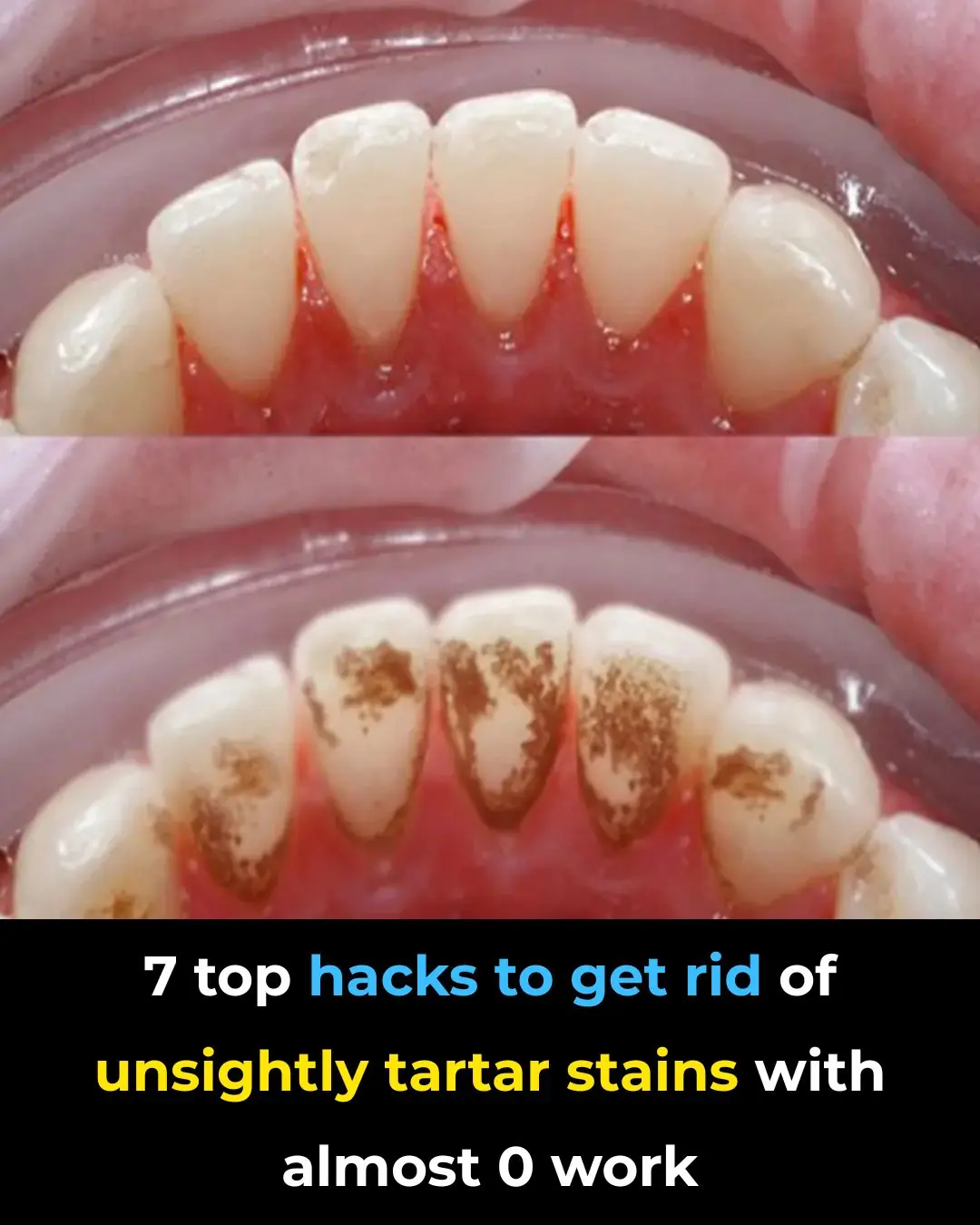
Cardiovascular disease and stroke remain among the leading causes of morbidity and mortality worldwide. While traditional risk factors such as hypertension, smoking, and dyslipidemia are well established, growing evidence suggests that chronic inflammatory conditions may also play a significant role in vascular disease development. Periodontitis, a severe form of gum disease characterized by chronic inflammation and bacterial infection, has increasingly been linked to systemic health outcomes. Recent research from University College London (UCL) provides strong clinical evidence that treating severe gum disease may help protect both the heart and the brain.
In a randomized clinical trial published in the European Heart Journal, researchers investigated whether intensive periodontal treatment could influence early markers of cardiovascular and cerebrovascular disease. The study followed 135 otherwise healthy adults diagnosed with periodontitis over a two-year period. Participants were randomly assigned to receive either intensive periodontal therapy or standard routine care consisting of basic scaling and polishing.
The intensive treatment involved full-mouth deep cleanings performed under local anesthetic, combined with structured follow-up care to control infection and inflammation. Compared with the control group, individuals receiving intensive therapy showed significantly reduced gum inflammation and lower levels of oral bacteria entering the bloodstream. This reduction is clinically relevant, as bacteremia and chronic inflammation are known contributors to endothelial dysfunction and atherosclerosis.
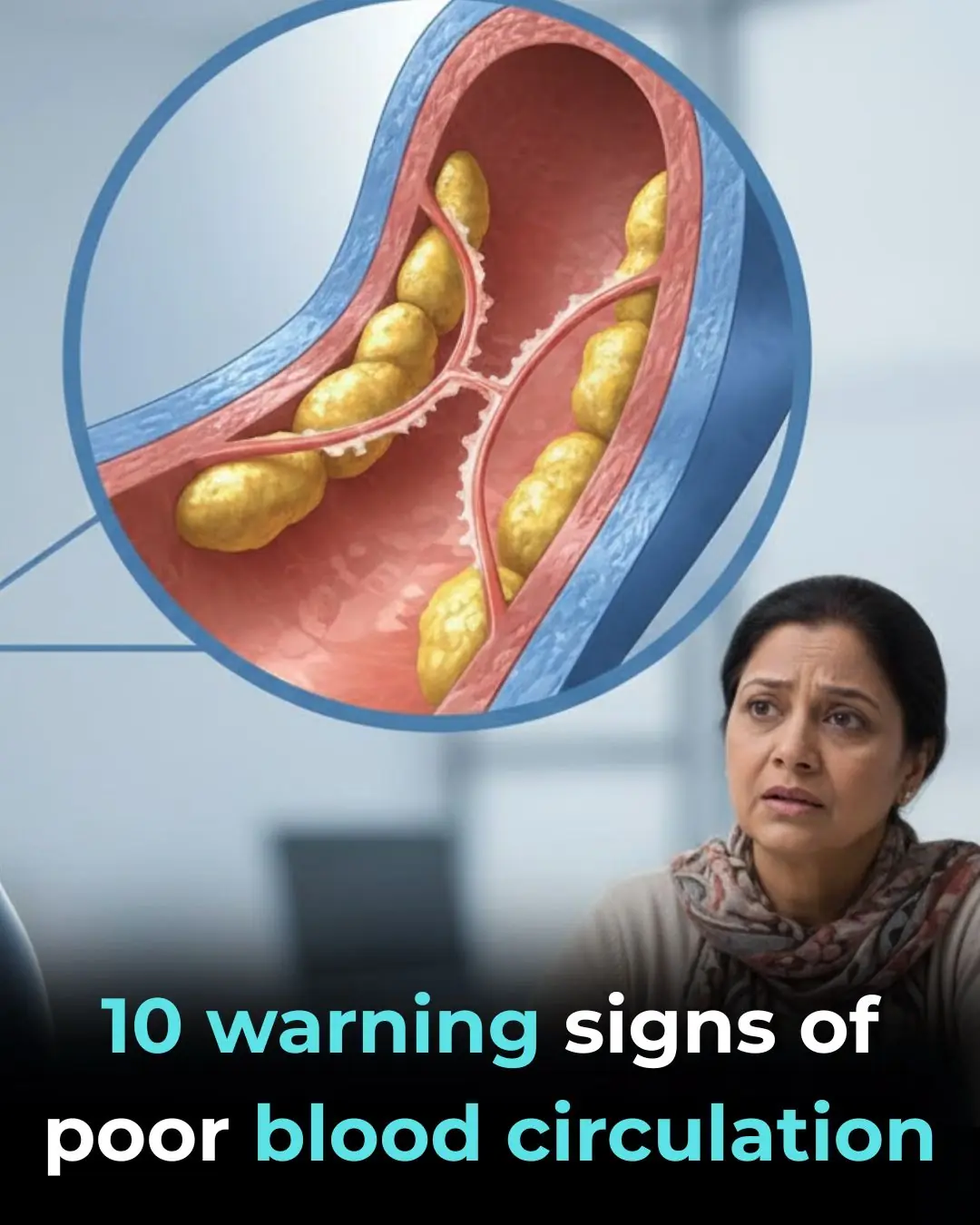
One of the most important findings of the study was the effect of periodontal treatment on the carotid arteries, which supply blood to the brain and serve as a key early indicator of cardiovascular risk. Participants who underwent intensive gum treatment demonstrated slower thickening of the carotid artery walls over time. Carotid intima-media thickness is widely recognized as an early warning marker for heart attacks and strokes, and slowing its progression suggests a meaningful protective effect on vascular health.
In addition to structural improvements, the intensive treatment group also exhibited better overall blood vessel function throughout the study period. Healthier endothelial function reflects improved regulation of blood flow and reduced inflammatory stress on arterial walls. These findings support the hypothesis that chronic oral infection can contribute to systemic vascular damage and that effective periodontal therapy may interrupt this process.
The researchers emphasized that this trial provides some of the strongest evidence to date linking oral health directly to cardiovascular and cerebrovascular outcomes. Unlike observational studies, the randomized design strengthens the argument for a causal relationship between periodontal disease treatment and vascular health improvements. Importantly, the participants were otherwise healthy adults, suggesting that gum disease itself may act as an independent modifiable risk factor.
From a public health perspective, the implications are significant. Periodontal treatment is relatively low-cost and widely accessible compared with many medical interventions for heart disease and stroke. If integrated into preventive healthcare strategies, treating gum disease could represent a practical and cost-effective approach to reducing long-term cardiovascular risk. These findings align with broader research emphasizing the role of chronic inflammation in atherosclerosis (The Lancet).
In conclusion, the UCL study published in the European Heart Journal provides compelling clinical evidence that intensive treatment of severe gum disease can slow arterial changes linked to heart attacks and strokes. By improving both oral and vascular health, periodontal therapy may play an important role in comprehensive cardiovascular disease prevention strategies.