Germany Unveils the First Ultra-Detailed 3D Map of All 2.75 Billion Buildings on Earth
Facts 08/12/2025 12:06
In Finland, primary school students typically spend only 4 to 5 hours per day in class, usually beginning around 8:30 AM and finishing by 1:30 PM. At first glance, such a short school day might suggest an academic disadvantage, but Finland consistently proves otherwise. The country remains one of the highest-performing education systems in the world, regularly achieving top rankings in the OECD Programme for International Student Assessment (PISA)—particularly in reading, science, and problem-solving.
One of the distinctive features of Finland’s system is its late start to formal education. Children begin school at age 7, later than in most countries. This delay is intentional: neuroscientists and child development experts emphasize that young children benefit more from unstructured play and social development than early academic pressure. Finnish education policy reflects this philosophy, ensuring that emotional readiness and curiosity form the foundation for later academic success.
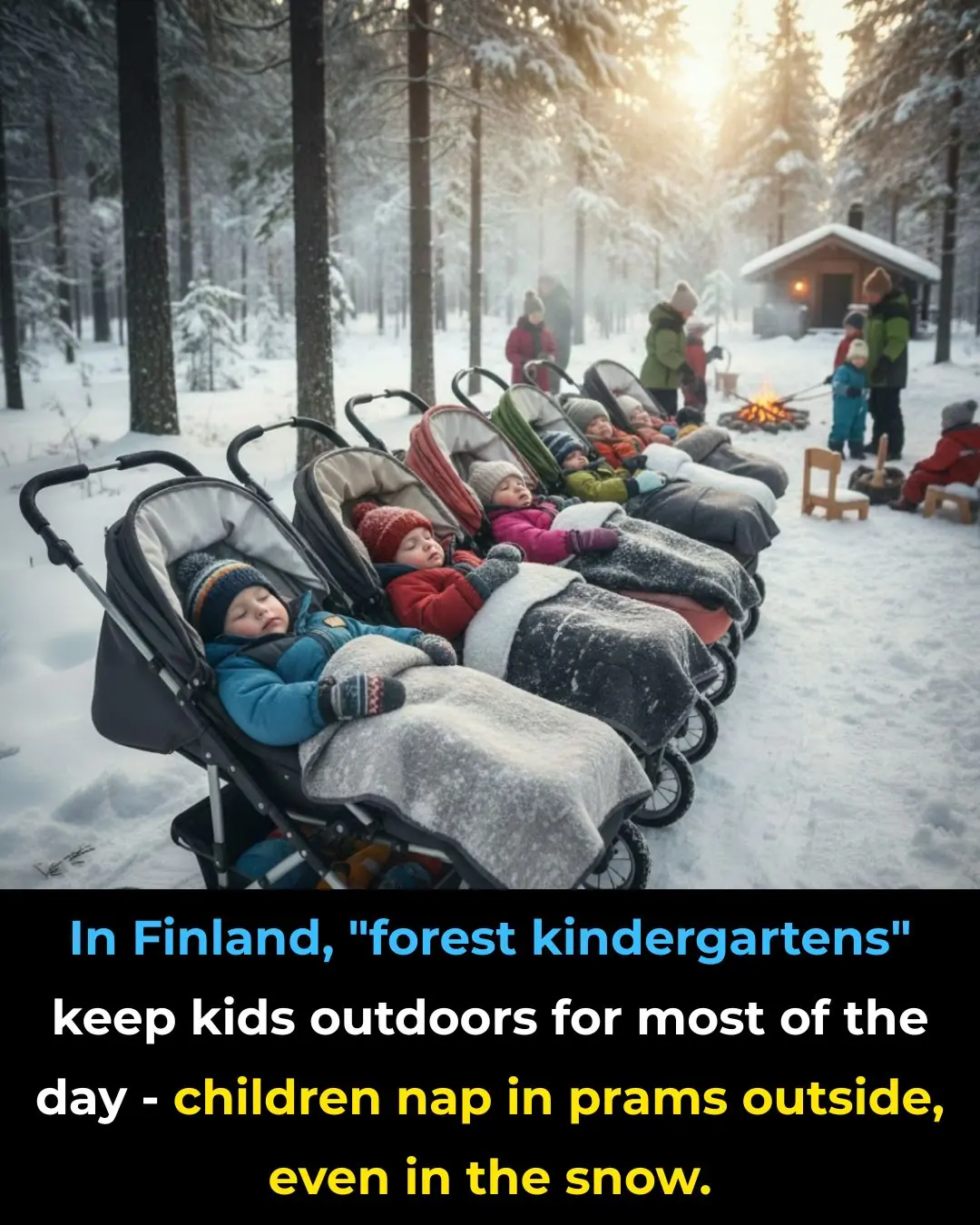
Daily school life is structured around regular 15-minute outdoor breaks after each class session. These short, frequent pauses allow students to reset their focus, reduce stress, and maintain higher levels of engagement—an approach supported by research from the American Academy of Pediatrics, which highlights the cognitive and social benefits of recess. Homework loads are kept minimal, allowing children time to rest, explore hobbies, and maintain a balanced lifestyle.
Another cornerstone of Finland’s success is its teaching profession. Every teacher is required to hold a master’s degree, and the training programs emphasize pedagogy, psychology, and research. Teachers are trusted as highly skilled professionals with autonomy over lesson planning and classroom methods. According to the Finnish National Agency for Education, this trust-based model reduces administrative pressure and enables educators to focus on creativity and deep learning rather than compliance.
Importantly, Finland operates almost entirely without standardized testing. Instead of repeated exams, the system prioritizes critical thinking, deep understanding, and individualized feedback. Teachers evaluate students holistically, recognizing that learning is not a race but a developmental process. This philosophy aligns with findings from the UNESCO Global Education Monitoring Report, which notes that excessive testing often narrows learning outcomes and increases inequity.
Underlying all of these elements is a strong national commitment to equity and well-being. Schools receive similar funding regardless of neighborhood income, ensuring equal access to high-quality education nationwide. Students with learning needs receive early, non-stigmatizing support, helping prevent long-term academic gaps.
Finland’s example shows that high performance is not about maximizing hours or intensifying pressure. Instead, it demonstrates that education thrives when it values balance, trust, and student well-being. By focusing on smarter—not longer—learning, Finland continues to challenge the world’s assumptions about what truly makes an education system great.