How to pickle sweet and sour shallots to eat with vegetables to add flavor to rice every day
Tips 08/12/2025 12:27
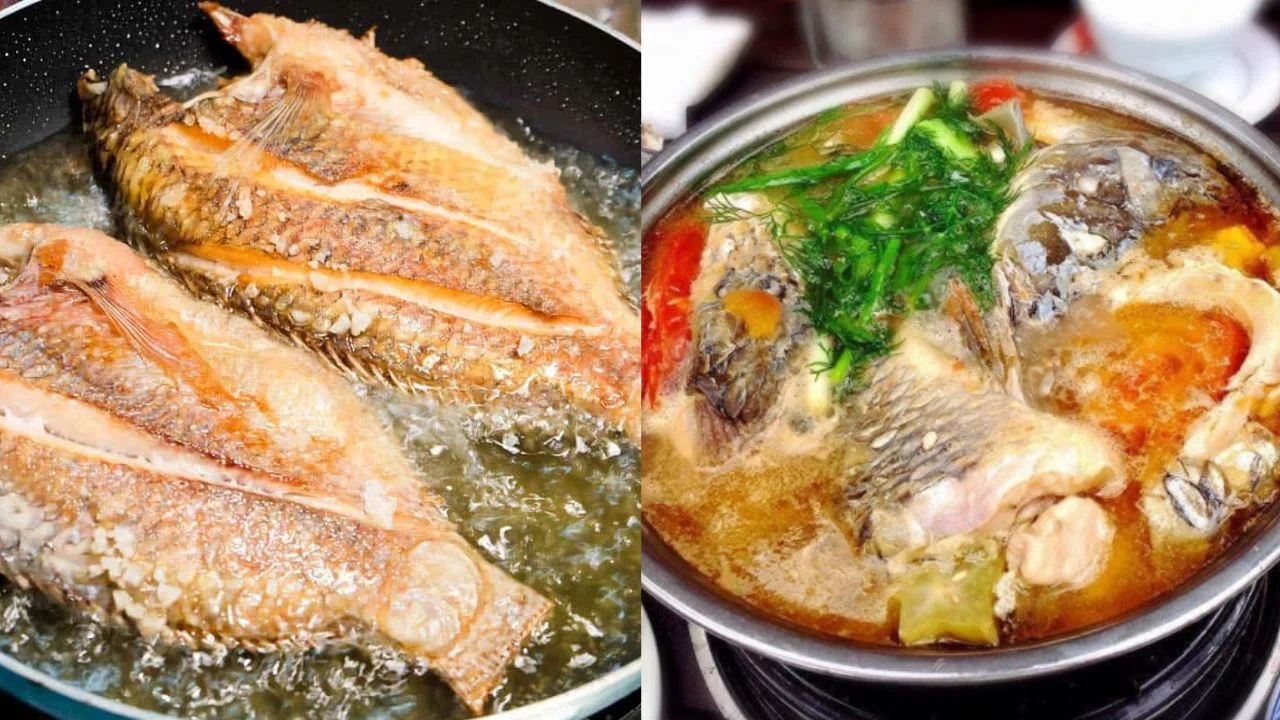
When it comes to making fish soup, some people cook the fish directly in the pot, while others prefer to pan-fry it lightly before simmering. So which method is actually the “right” one?
Fish naturally carries a characteristic fishy odor. This smell comes from compounds containing amines, especially trimethylamine—NH(CH₃)—a common substance responsible for the typical fishy aroma. Freshly caught fish has a lower concentration of trimethylamine, so its smell is usually mild. In contrast, fish that has been kept for a longer period will develop a stronger odor.
Depending on habit and preference, some cooks place the fresh fish directly into the boiling broth, while others choose to fry the fish briefly before adding it to the soup.
In traditional coastal fisherman-style cooking, people often put freshly caught and cleaned fish straight into a pot of boiling water, then season it lightly. When the fish is cooked, a small squeeze of lemon or lime is added to enhance the flavor. With this method, the soup has a naturally sweet taste and remains free of any unpleasant smell thanks to the freshness of the fish.
In Southern Vietnam’s sour fish soup (canh chua), fish is either cooked directly in the broth or stir-fried lightly to firm up the flesh. In this style, the fish is almost never deep-fried first.
Meanwhile, in Northern Vietnam, freshwater fish such as carp, tilapia, grass carp, or rohu are commonly used for soups. Many Northern cooks prefer to pan-fry the fish before simmering. Frying helps tighten the outer layer, preventing the flesh from breaking apart during cooking. However, this method also makes the broth richer and slightly oily. To keep the soup from becoming too heavy, souring agents like dracontomelon fruit, fermented rice vinegar, or sour fermented rice are added to balance out the flavors.
Ultimately, the choice between frying the fish first or cooking it directly depends on each person’s taste, the type of fish being used, and the flavor profile you want to achieve.
For any fish soup, thorough cleaning is essential to remove the excess blood and parts that cause a strong smell. Remove the gills, scrape all the scales, and clean out the dark membrane inside the belly. After that, rinse the fish with rice-water, diluted saltwater, or a bit of vinegar or lemon juice. These liquids help eliminate slime and significantly reduce fishy odors.
When cooking fish soup, always add the fish to boiling water. This is a key technique to prevent the soup from becoming fishy. Fish skin cooks very quickly. If you put the fish into cold or lukewarm water, the amino acids and fishy compounds dissolve into the broth, making the smell more noticeable. In contrast, adding fish to boiling water causes the skin to tighten immediately, sealing in the amino acids and keeping the broth clear and fresh-tasting.
Using boiling water also helps preserve more nutrients in the fish flesh. If you need to add more water later, make sure it is also hot or boiling so the temperature shock does not cause the fish to disintegrate or release odors.
Another useful tip is to keep the pot uncovered while cooking. Allowing the steam to escape helps the volatile compounds responsible for fishy smells evaporate instead of remaining in the soup.