How to pickle sweet and sour shallots to eat with vegetables to add flavor to rice every day
Tips 08/12/2025 12:27
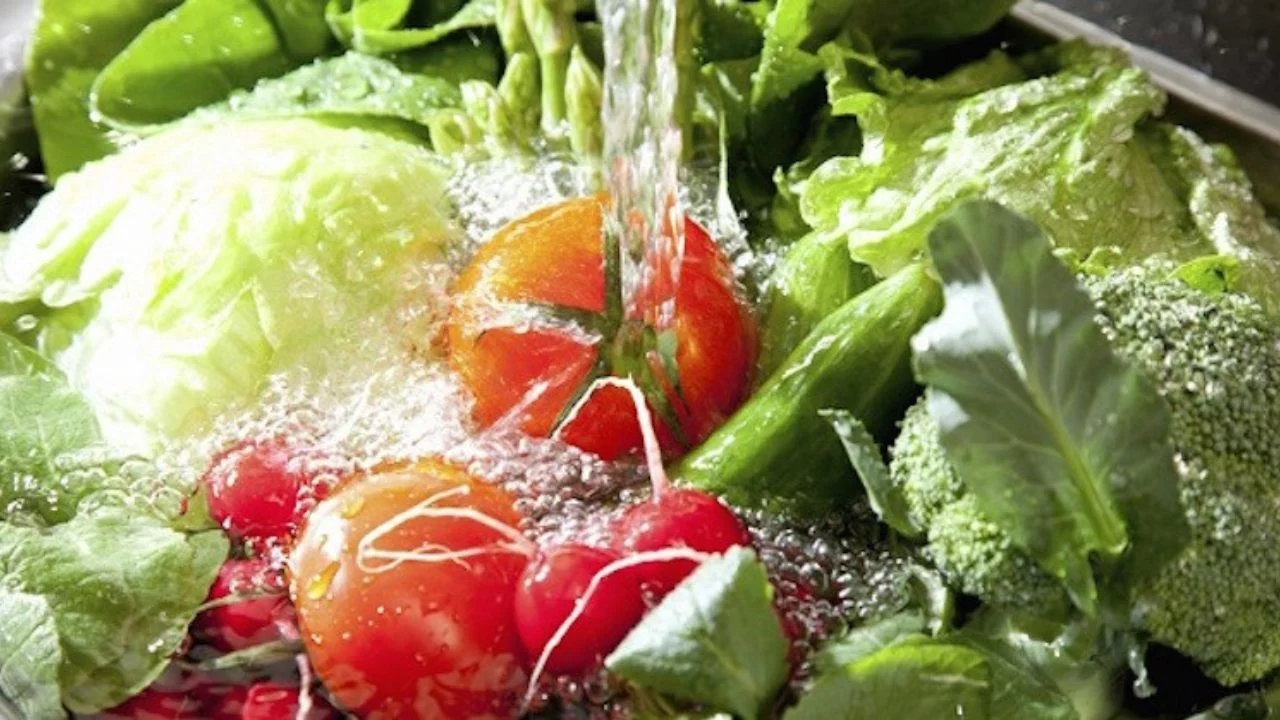
Nowadays, many fruits and vegetables are exposed to various chemical pesticides, posing potential risks to human health. To protect your family, especially children and the elderly, it is essential to clean produce properly before consumption. Below are several highly effective methods you can apply to help remove harmful pesticide residues from fresh produce.
One of the most common and effective household methods is soaking fruits and vegetables in a 10% saltwater solution for about 20 minutes. Studies have shown that this method can eliminate a large portion of residues from some of the most widely used pesticides.
Salt water helps break down the outer layer of contaminants, making it easier to wash them off. After soaking, rinse your produce thoroughly under clean running water to ensure all remnants are removed.
Enzyme-based cleaning solutions are environmentally friendly and safe for daily use. First, rinse your vegetables once or twice under clean water to remove dirt, microbes, and insect eggs. Then soak them in the enzyme solution following the product's instructions.
The natural enzymes help break down pesticide molecules more effectively than plain water, giving you cleaner and safer produce.
Another popular home remedy is using vinegar. Mix a solution of 1 part vinegar to 4 parts water and soak fruits and vegetables for around 20 minutes.
For produce that you suspect may contain more chemical residue, you can even soak it in undiluted vinegar to maximize the removal of pesticide traces. However, remember to rinse thoroughly afterward to remove the taste and smell of vinegar.
Pesticides often remain on the surface of fruits and vegetables, especially in crevices, stems, and textured skin. Peeling is an effective way to significantly reduce exposure to harmful chemicals.
Although peeling may remove some nutrients found in the skin, it provides a higher level of safety—especially for young children, pregnant women, and individuals with weakened immune systems.
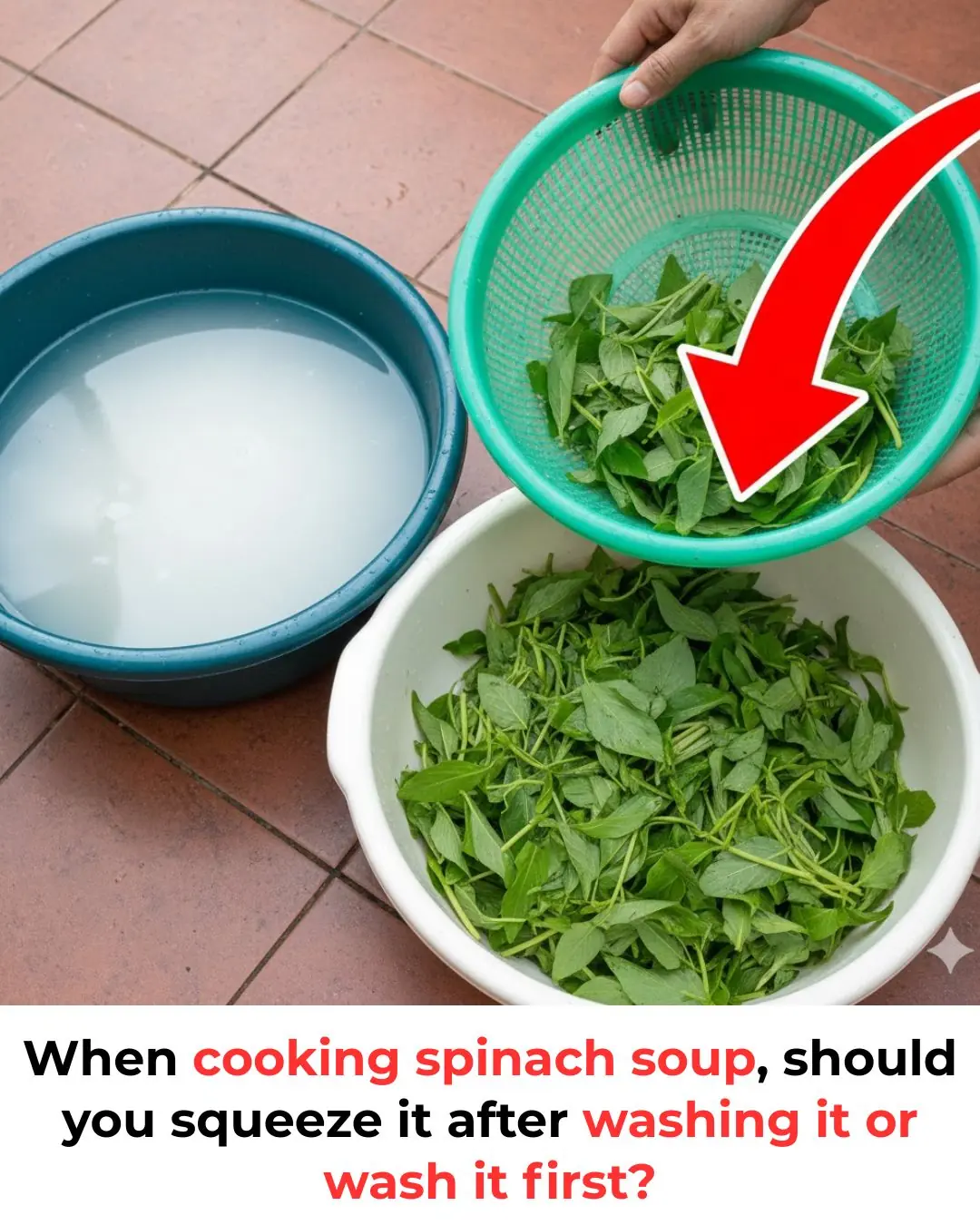
Rinsing with water is the simplest and oldest method used to remove dirt and pesticide residues. After washing, soak the produce again in clean water for at least 10 minutes to dilute and wash away remaining contaminants.
Finally, rinse several times under running water. This method is gentle and works well for leafy vegetables and delicate fruits.
For a stronger cleaning effect, baking soda (sodium bicarbonate) can be extremely useful. Mix baking soda with water in a 1:20 ratio, then soak your produce for 15 minutes.
Baking soda helps break down certain pesticide residues and neutralizes harmful chemicals. After soaking, scrub gently if needed, discard the water, and rinse thoroughly with clean water.
For some types of produce, especially those with thick skin or long shelf life (like apples, pears, squash, or potatoes), simply storing them for a few days can naturally reduce pesticide levels.
Exposure to oxygen and natural enzymes in fruits and vegetables helps break down chemical residues over time. This method doesn’t require any additional effort and is a useful supplemental step when handling non-organic produce.
Sunlight can also help degrade certain pesticide compounds. Research has shown that exposing fruits and vegetables to direct sunlight for about 5 minutes can eliminate up to 60% of residual organochlorine pesticides.
While this method works best for sturdy produce, it is an easy and practical way to reduce chemical exposure.
Whenever possible, choose seasonal, locally grown fruits and vegetables, as they typically contain fewer pesticides than off-season or imported produce.
By combining these methods, you can significantly reduce the risks associated with pesticide residue and ensure your family enjoys cleaner, safer, and healthier meals every day.