There comes a time in every grandmother’s life when she realizes her most important work is no longer just holding, feeding, or playing with her grandchildren. It is teaching them how to protect their own hearts and voices. In a world that often teaches children to be polite at all costs, even when something feels wrong, grandmothers have a unique opportunity. We have the time, the patience, and the perspective that comes from decades of living. We can gently but firmly pass on the tools our grandchildren will need long after we are gone. One of the most powerful gifts we can give is helping them find the words to stand up for themselves.
These ten simple phrases are more than sentences. They are shields. They are bridges. They teach children that their feelings matter, that their bodies belong to them, and that they have the right to speak up when something feels uncomfortable. As grandmothers, we are in a beautiful position to teach these phrases — not through lectures, but through everyday moments, stories, and play. When we take the time to practice these words with our grandchildren, we are not just helping them navigate childhood. We are preparing them for a lifetime of healthy relationships and self-respect.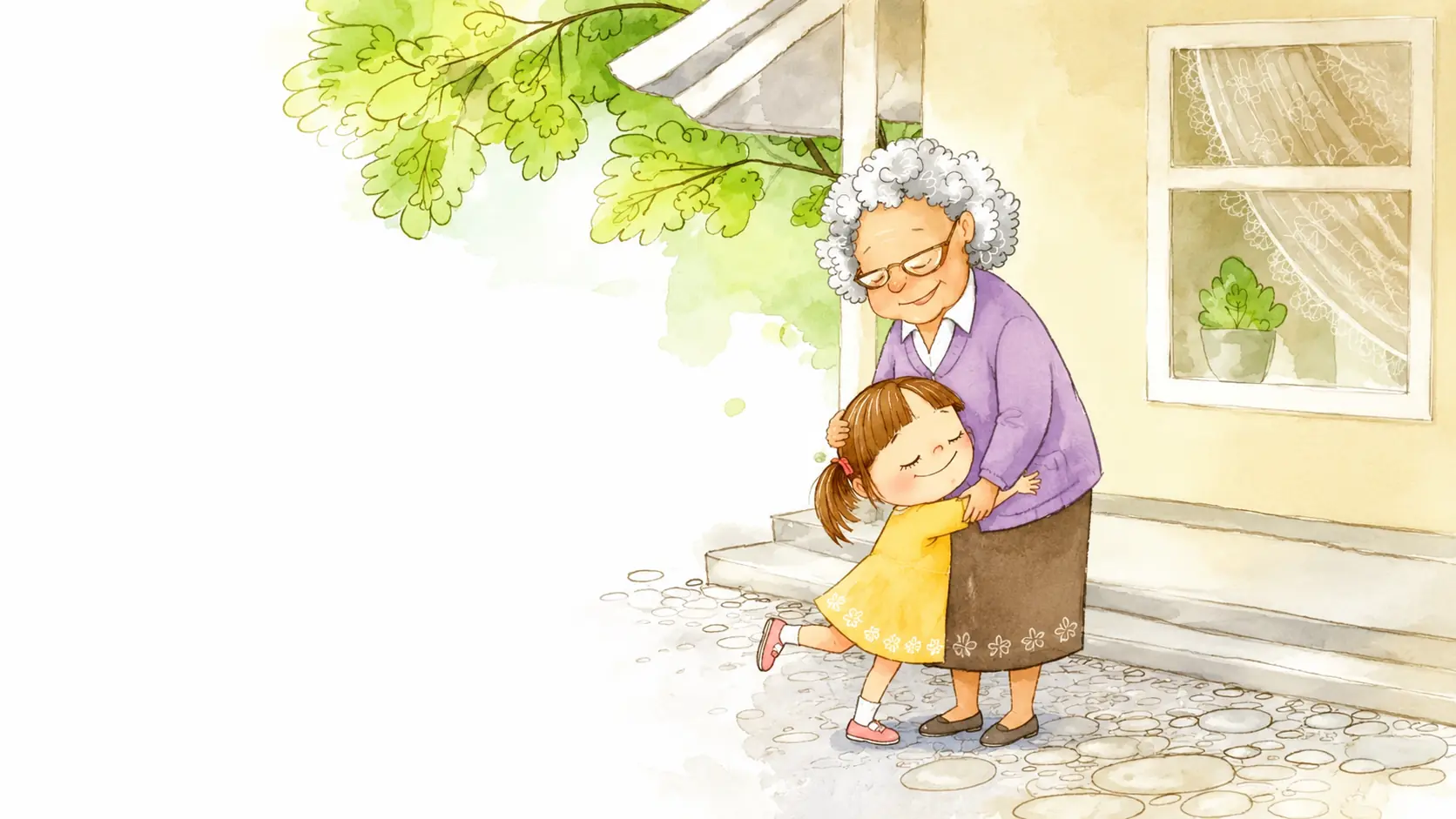
1. “Please stop, I don’t like that.” This is one of the simplest and most powerful sentences a child can learn. It is clear, calm, and direct. When we teach our grandchildren to say these words, we are giving them permission to name their discomfort without aggression or apology. Many children grow up believing they must endure unwanted touch, teasing, or pressure in silence because they don’t want to be “mean.” We can change that narrative. During playtime, when a grandchild is being tickled too roughly or a friend is taking a toy, we can gently coach them: “You can say, ‘Please stop, I don’t like that.’” Practicing these words in the safety of grandma’s house builds the muscle memory they will need when we are not there to step in.
2. “That’s not okay with me.” This phrase teaches children that they have the right to define their own boundaries. It is not dramatic. It is steady. As grandmothers, we can model this language ourselves. When a grandchild is being too rough with a pet or pushing too hard during a game, we can say calmly, “That’s not okay with me,” and then explain why. Over time, they learn that setting a boundary does not require yelling or fighting. It simply requires clarity. This phrase is especially powerful for grandchildren who tend to be people-pleasers. It gives them permission to protect their own comfort without feeling guilty.
3. “I don’t want to play that way.” Children often feel trapped in games or activities that make them uncomfortable. They may not want to play rough, be the “bad guy,” or participate in pretend scenarios that feel scary. This phrase gives them an exit without shutting down the entire interaction. We can practice this during our visits by creating safe opportunities for them to use it. When a game starts to feel too intense, we can whisper, “You can say, ‘I don’t want to play that way.’” Teaching this builds emotional intelligence. It helps grandchildren understand that they do not have to go along with everything to be liked or included.
4. “You need to give me space.” Personal space is a concept many children struggle to articulate. This phrase is simple yet profound. It teaches them that their body belongs to them and that they can ask others to respect it. As grandmothers, we can reinforce this during everyday moments — when a younger sibling is climbing on them or when they simply need quiet time. We can say, “It’s okay to tell your cousin, ‘You need to give me space.’” This language helps prevent resentment from building and teaches respect for both their own needs and the needs of others.
5. “I said no, please listen.” This phrase is especially important when children feel their “no” is being ignored. Many kids are taught that persistence from others means they should eventually give in. This sentence reinforces that “no” is a complete sentence and deserves to be respected. We can role-play scenarios during our time together — perhaps with dolls or stuffed animals — so they feel confident using these words when the moment arises. Hearing a grandchild say “I said no, please listen” with calm strength is one of the most beautiful sounds a grandmother can witness.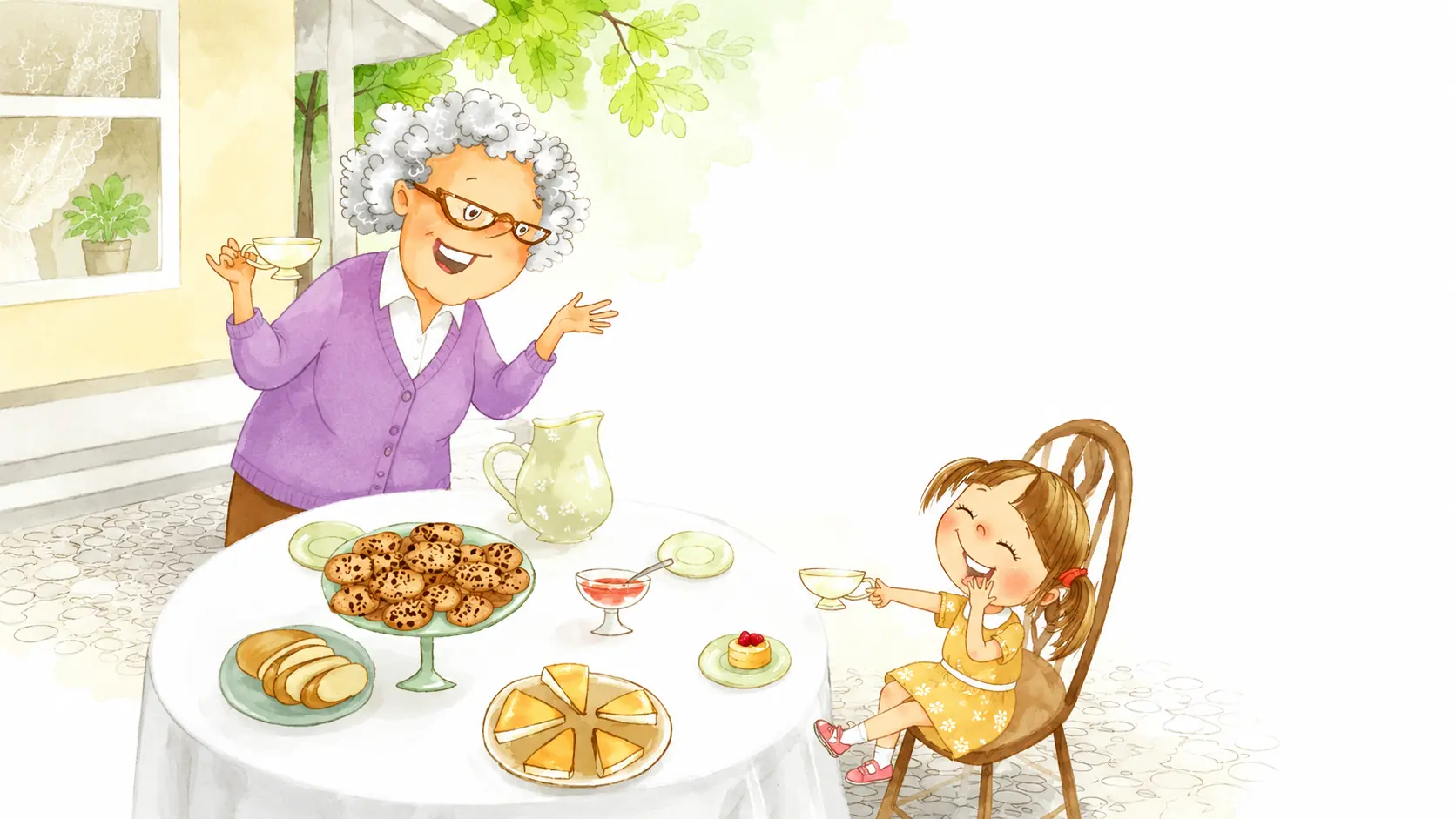
6. “I feel uncomfortable when you do that.” This phrase moves beyond behavior and into feelings. It teaches children to name their emotions rather than just react to them. It is a powerful tool for emotional regulation and communication. When we teach our grandchildren this sentence, we are helping them develop emotional vocabulary that will serve them for life. We can practice it when they come to us upset after playing with friends or siblings. By helping them put words to their discomfort, we give them a way to advocate for themselves without shutting down or exploding.
7. “Please don’t talk to me like that.” Words can wound just as deeply as actions. This phrase teaches children that they do not have to accept rude, dismissive, or mean language — even from people they love. As grandmothers, we can model this when we hear siblings speaking unkindly to each other. We can gently guide the hurt child to say, “Please don’t talk to me like that.” Over time, this builds a culture of respect within the family. It also prepares grandchildren to recognize and address disrespectful communication in friendships and future relationships.
8. “I’m going to walk away now.” Sometimes the healthiest boundary is physical distance. This phrase empowers children to remove themselves from situations that feel unsafe or unkind without needing permission or explanation. We can validate this choice when they use it. If a grandchild walks away from a tense game and comes to sit with us, we can say, “I’m proud of you for knowing when you needed space.” Teaching this skill helps grandchildren understand that walking away is not weakness — it is wisdom.
9. “I want a turn when you’re done.” This phrase teaches patience, fairness, and self-advocacy at the same time. It replaces grabbing, whining, or giving up with clear, respectful communication. During our visits, we can create opportunities for them to practice this — whether with toys, swings, or even taking turns telling stories. When a grandchild uses this phrase instead of pushing or crying, we can celebrate it. We are teaching them that their desires are valid and that they can express them without aggression or helplessness.
10. “I need help with this.” Perhaps the most important phrase of all is the one that asks for support. Many children are taught that needing help is a sign of weakness. This sentence reframes asking for help as an act of courage and self-awareness. As grandmothers, we can create a safe space where they feel comfortable saying these words. Whether they are struggling with a puzzle, a conflict with a friend, or big feelings they don’t understand, we can respond with, “I’m so glad you told me. Let’s figure this out together.” Teaching this phrase helps grandchildren develop both independence and the wisdom to know when they cannot do something alone.
When we teach these ten phrases, we are doing more than giving our grandchildren words. We are giving them permission to trust their own instincts. We are showing them that their voice matters. We are preparing them for a world that will not always be kind or fair. And we are doing it from a place of deep love — the kind of love that wants them to grow strong, not just safe.
Many of us remember times in our own lives when we stayed silent because we didn’t have the words. We stayed in uncomfortable situations because we didn’t know how to speak up. By giving our grandchildren these phrases now, we are breaking that cycle. We are raising a generation of children who know how to set boundaries with kindness and clarity. That is a legacy worth leaving.
The beauty of these phrases is that they work in almost any situation — on the playground, in the classroom, with siblings, or even with adults who may not realize they are crossing a line. When we practice them during our time together, we make them feel natural. Role-playing, reading books that model assertive communication, and celebrating when our grandchildren use these words in real life all help the lessons stick.
Grandma, you have something incredibly valuable to offer your grandchildren: the wisdom that comes from living a long life and the deep love that makes you want to protect them even from a distance. Teaching these ten phrases is one of the most practical and powerful ways you can do that. You are not just helping them survive difficult moments. You are helping them grow into confident, kind, and self-respecting adults.
One day, when your grandchildren are older, they may not remember every toy you bought or every treat you gave them. But they will remember how you made them feel strong. They will remember the grandmother who taught them they had a voice — and that it was worth using. That is the kind of legacy that lasts for generations.
So start small. Pick one phrase this week and practice it together. Make it a game. Make it a story. Make it part of your everyday conversations. Because the day may come when your grandchild needs to say, “Please stop, I don’t like that,” or “I need help with this,” and because of you, they will know exactly what to say — and they will have the courage to say it.
That is the gift only a grandmother can give.