There are some feelings that become more difficult to express as we grow older, not because they become less important, but because we begin worrying about how they'll be received. We don't want to sound like we're complaining. We don't want our children to think we're questioning the beautiful lives they've worked so hard to build. We don't want our grandchildren to feel responsible for our happiness, and we certainly don't want anyone to visit us out of guilt instead of love. So we become careful with our words. We smile when someone asks how we're doing. We say, "I'm fine," even on the days when the house feels a little too quiet. We tell ourselves everyone is busy because we remember what those years were like ourselves. We know what it's like to juggle work, marriage, children, bills, aging parents, and a calendar that never seems to slow down. That's why we stay silent more often than we speak. Not because our hearts have less to say, but because loving our family has always meant protecting them, even from burdens they never knew we were carrying.
One of the greatest misconceptions about grandparents is that we've somehow reached a stage of life where we no longer need reassurance, companionship, or connection. People often imagine that wisdom replaces emotion, as though the passing of time somehow teaches your heart to need less. The opposite has been true for many of us. The older we've become, the more we've realized that relationships are the only treasures that truly remain. We care far less about possessions than we once did. The things we worked so hard to earn no longer matter nearly as much as the people we worked so hard to love. A long conversation around the kitchen table means more than an expensive gift. An unexpected phone call can brighten an entire week. Hearing our grandchildren laugh in the next room is worth more than any vacation we could ever take. As life gently strips away everything that once felt urgent, it leaves behind something beautifully simple: the people we love become our greatest source of joy, which also means they become the deepest source of longing whenever they're far away.
That longing is difficult to explain because it is so often misunderstood. When a grandparent says, "I miss seeing everyone," it is rarely meant as criticism. It isn't an accusation that you're failing us or a complaint that you're not doing enough. It is simply love speaking in its most honest form. You cannot spend decades pouring your life into your family and suddenly stop missing them because everyone grew up. Love doesn't work that way. It doesn't become smaller when children become adults. If anything, it becomes quieter, gentler, and even more patient. We understand that your priorities have changed because they should. You're raising children, building careers, paying mortgages, solving problems we can no longer solve for you. We don't wish those responsibilities away. We prayed for you to build this life. We celebrated every milestone that brought you here. But celebrating your independence has never erased the part of us that still misses simply being together.
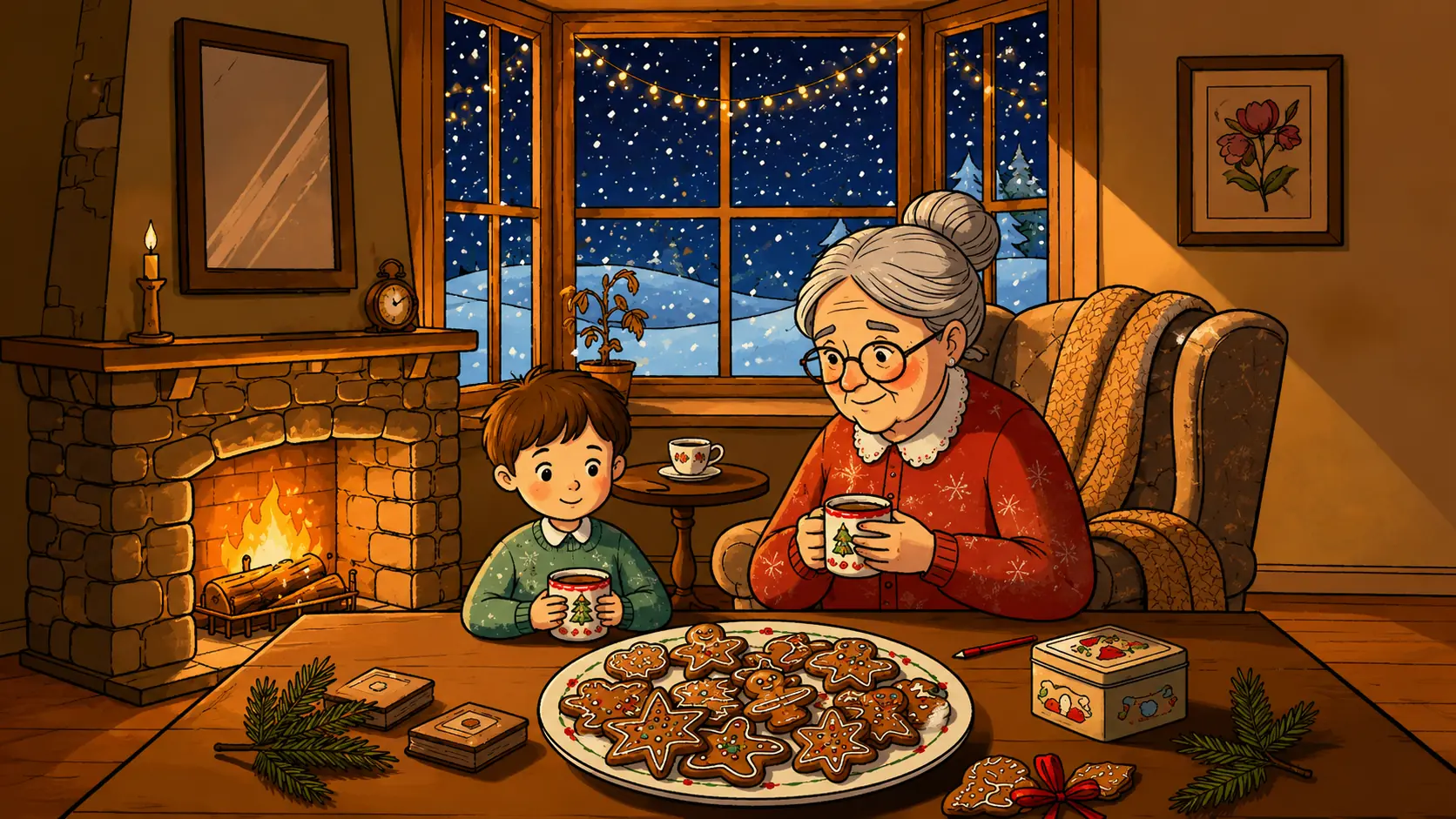
Still, silence has a way of becoming heavy when it lasts too long. There are conversations we rehearse in our minds but never actually have. There are questions we almost ask before deciding they're better left unsaid. There are evenings when we sit in our favorite chair thinking about the grandchildren, wondering what they're doing, whether they had a good day at school, whether they're happy, whether they still remember the little traditions we shared, or whether they've already outgrown them. We don't expect them to think about us every day. Childhood is meant to be full of discovery, and adulthood is meant to be busy. But every grandparent knows the quiet ache of wondering if the people who fill your thoughts quite so effortlessly ever think about you in the ordinary moments of their own lives. It's not a question born out of insecurity. It's born out of love. When someone has lived in your heart for decades, it's only natural to wonder if you still live somewhere in theirs.
So we stay quiet, not because there is nothing left to say, but because we hope our love has already said it without words. We hope our grandchildren remember the bedtime stories, the warm cookies cooling on the kitchen counter, the birthday cards that always arrived on time, the prayers whispered over their names, and the hugs that lingered just a little longer before they walked out the door. We hope our grown children know that every time we say, "Take your time," what we really mean is, "We'll be here whenever you're able." We hope they understand that every smile often carries emotions we choose not to place on their shoulders. And perhaps more than anything, we hope they never mistake our quietness for indifference. Because if there is one thing that never grows old, it is the heart of a grandparent. It continues loving with the same devotion it always has. It simply learns to love more gently, to wait more patiently, and to carry more of its feelings in silence than it ever did before.
The truth that lives beneath all of our silence is much simpler than most people realize: we miss them more than they know. We don't say those words often because we're afraid they'll sound like emotional pressure instead of honest love. We know our children already carry enough responsibilities. They wake up every day thinking about work, mortgages, doctor's appointments, children's schedules, grocery lists, and all the countless details that fill modern life. The last thing we want is for them to feel like they're failing us too. So we quietly convince ourselves that our missing them is something we should carry alone. We tell ourselves to be grateful for the moments we do have instead of longing for the ones we don't. And we truly are grateful. But gratitude and longing have never been enemies. It is entirely possible to thank God for the family you've been given while still wishing you could hold them a little closer. Missing the people you love isn't a sign that you're ungrateful. It's simply what love looks like after decades of choosing the same people with your whole heart.
Along with that longing comes another feeling that is much harder to admit out loud. Sometimes we grieve the closeness we imagined we would have. Not because anyone intentionally pulled away, but because life has a way of unfolding differently than we pictured when we were younger. Years ago, we imagined holidays that lasted all afternoon, Sunday dinners filled with conversation, grandchildren stopping by after school, family traditions that would naturally continue from one generation to the next. Instead, life became busier than any of us expected. Careers demanded more. Children became involved in more activities. Families spread across different cities and different states. Technology made it easier to stay connected, yet somehow harder to truly be together. None of that makes anyone a bad son, daughter, or grandchild. It's simply the reality of the world we live in. But realities can still carry disappointment. There are moments when we look around a quiet house and gently mourn not the family we have, but the version of togetherness we once dreamed we might share.
Perhaps the thought that is hardest to confess is this: sometimes we're afraid we'll run out of time before our grandchildren really know us. They'll know our birthday. They'll remember that Grandma made good cookies or Grandpa always told funny stories. But will they know who we were beneath those little memories? Will they know what mattered to us? Will they know the mistakes we made, the prayers we prayed, the dreams we carried, the lessons life taught us the hard way? Will they know how fiercely we loved them long before they were old enough to understand it? Time has a different meaning once you've lived enough years to recognize that none of us is promised another decade, another Christmas, or even another ordinary Tuesday. That awareness doesn't make us fearful as much as it makes us intentional. We don't long for grand gestures. We simply hope there will be enough conversations for our grandchildren to know that behind the title of "Grandma" was a real woman who laughed, cried, struggled, hoped, failed, forgave, believed, and loved them more deeply than words could ever explain.
And if we're being completely honest, there are moments when we quietly wish someone would ask for our advice—just once. Not because we believe we know everything. Age has actually made us much less certain about many things. We know every generation faces challenges that didn't exist when we were raising children. We understand that your life requires decisions we never had to make. We don't expect you to do things exactly as we did. In fact, most of us admire how thoughtfully you're raising your own family. But every now and then, it would mean so much to hear, "Mom, what do you think?" or "Grandma, how did you handle this when we were little?" Not because our answer would necessarily be the best one, but because questions like that remind us that the years we spent learning, failing, growing, and loving still have something to offer. Experience is one of the few gifts that becomes more valuable with age, yet it is also one of the easiest gifts to overlook.
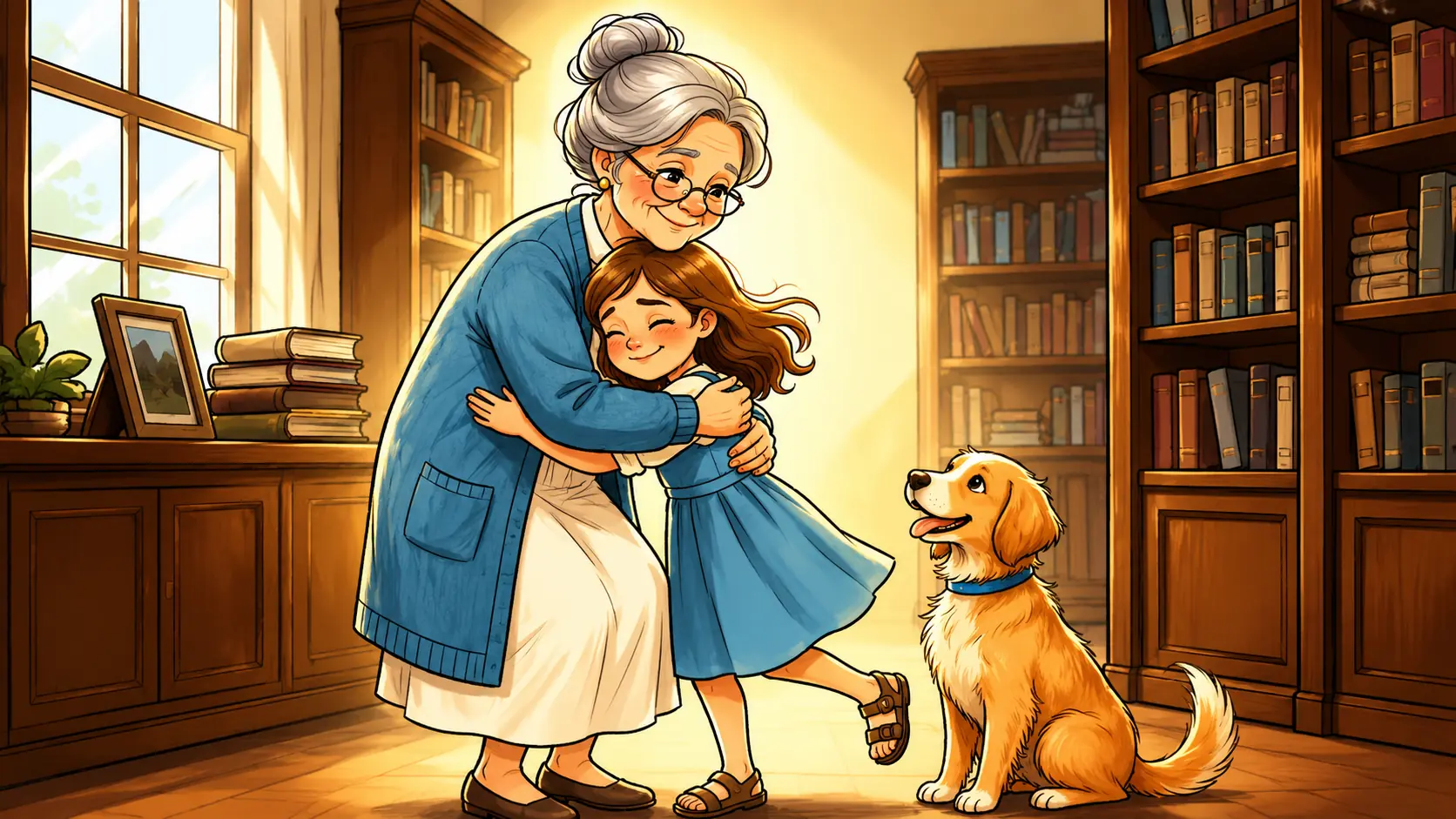
What surprises many grandparents is the guilt that often follows these feelings. We wonder if we're asking for too much simply by wishing for another visit or another phone call. We feel guilty for feeling hurt when weeks turn into months without seeing everyone together. We tell ourselves that we should simply be thankful because other grandparents have even less time with their families than we do. We remind ourselves that our children are good people who love us deeply. All of those things are true, and yet the ache doesn't disappear just because we reason with it. Emotions rarely obey logic. Love certainly doesn't. Sometimes the heart simply misses what it misses. Instead of judging ourselves for those feelings, perhaps we should remember that they exist because something beautiful existed first. You cannot miss what you never loved. The depth of the ache is often the measure of the depth of the love that created it.
There are also days when we quietly wonder whether we're doing enough. Did we call too much this month? Or not enough? Should we have offered to help, or would that have felt intrusive? Are we giving the grandchildren memories they'll cherish someday, or are we becoming people they only see on holidays? Should we keep reaching out, or should we wait for them to come to us? These questions don't come from insecurity as much as they come from love. Grandparents spend much of this season of life trying to find the delicate balance between staying connected and respecting boundaries. We never want to become a burden, yet we also don't want to disappear so quietly that one day everyone realizes too much time has slipped away. There is no instruction manual for loving adult children. Every family writes that story differently, and most of us are simply doing the best we can with hearts that never stopped being parents.
What few people see is how exhausting it can become to pretend that distance never hurts. We become experts at saying, "Oh, I know they're busy," because, most of the time, it's true. We smile when someone asks how often we see the grandchildren, even if the answer in our hearts feels much smaller than we wish it were. We celebrate every visit without mentioning how much we miss everyone after they leave. We wave goodbye from the porch, wait until the car disappears around the corner, and only then allow ourselves to feel how quiet the house has become again. We don't perform these little acts because we're hiding resentment. We do them because love has always been more important to us than being understood. But pretending you're perfectly content with every season of life takes energy. Sometimes we're tired—not from growing older, but from carrying emotions we've convinced ourselves no one else should have to hear.
And then there are those moments we almost never admit aloud. We wonder if our grandchildren think about us when we're not there. We don't expect to be the center of their world. Childhood should be filled with friends, school, sports, dreams, and discovery. We want that for them. But every so often, we find ourselves smiling at an old drawing they made, rereading a birthday card they once signed with crooked little letters, or remembering something funny they said years ago, and we quietly ask ourselves whether we ever cross their minds in those ordinary moments too. It's a tender question, not a desperate one. It's simply the heart of someone whose love has never learned how to stop loving. Because that is what grandparents do. Long after the visits end and the toys have been put away, we continue carrying our family with us every single day, hoping that somewhere, in some quiet corner of their own busy lives, they carry a little piece of us too.
There. I said it. Not because I wanted anyone to feel sorry for me, and certainly not because I wanted my children or grandchildren to carry the weight of my emotions. I said it because I have come to realize that so many grandparents are quietly carrying these same thoughts, believing they are the only ones who feel this way. We look around at other families and imagine everyone else has found the perfect balance. We assume we're the only ones wondering if we're asking for too much by hoping for one more visit, one more phone call, one more afternoon around the dinner table. We tell ourselves to stop feeling what we're feeling because love should be grateful, patient, and understanding. But perhaps love can be all of those things while still admitting that it aches sometimes. Perhaps honesty doesn't make us weak. Perhaps it simply makes us human.
If you're reading this and finding yourself nodding through tears, I hope you know something that took me a long time to learn: you are not alone. There are grandmothers all across this country who quietly fold tiny pajamas after a weekend visit and pause for just a moment because the silence feels louder than it did a few hours earlier. There are grandparents who leave a favorite snack in the pantry because they hope the grandchildren might stop by unexpectedly. There are women who still buy an extra birthday card months ahead because they never want to forget an important day. There are grandfathers who keep little drawings tucked inside the pages of their Bible, smiling every time they come across them. None of these things make us lonely people. They simply reveal how deeply family has become woven into every ordinary part of our lives. When you've spent decades loving people with your whole heart, it is impossible to separate yourself from them completely. They become part of the rhythm of your days, even when they're miles away.
These feelings do not make us selfish. For some reason, many grandparents have convinced themselves that admitting they miss their family somehow means they're being needy or emotionally demanding. We apologize for our own hearts before anyone has even judged them. We tell ourselves we should be stronger, more independent, less emotional. But when did love become something we were expected to apologize for? Missing your family is not selfish. Wishing for closeness is not selfish. Hoping your grandchildren remember you is not selfish. Those desires are born from years of giving, sacrificing, praying, forgiving, and loving. They come from hearts that have spent a lifetime putting other people first. If anything, many grandparents ask for far less than they truly long for because they've become so accustomed to protecting everyone else's feelings before their own.
You are also allowed to grieve what you hoped this season of life would look like. Grief isn't reserved only for funerals. Sometimes we grieve expectations that never came to be. We grieve traditions that slowly disappeared without anyone intending for them to. We grieve the fact that family dinners became rushed, that weekends filled with grandchildren became occasional holidays, or that conversations once held face to face are now reduced to hurried text messages between meetings. Acknowledging that grief doesn't mean we're rejecting the beautiful blessings we still have. It simply means we're honest enough to recognize that love always carries a measure of longing. Every season gives us something, and every season quietly asks us to let go of something else. Growing older often means learning to hold gratitude and grief in the very same heart without allowing either one to cancel out the other.
The beautiful thing about love, however, is that it doesn't stop simply because life looks different than we imagined. Even when our hearts ache, we still show up. We still clap the loudest at school concerts. We still remember birthdays without needing reminders. We still pray over names every morning before the coffee has finished brewing. We still save favorite recipes because the grandchildren might ask for them one day. We still keep extra blankets in the guest room just in case someone decides to stay the night. We still believe that another memory is always worth making, no matter how much time has passed since the last one. Love has never depended on perfect circumstances. It simply keeps choosing people over and over again, even when those choices sometimes happen from a distance.
And if there is one truth that has carried me through every season of parenthood and grandparenthood, it is this: God hears the prayers we never speak aloud. He sees every quiet tear that falls after the family has gone home. He notices every moment we choose encouragement instead of guilt, patience instead of resentment, grace instead of keeping score. He understands the words we swallow because we don't want to burden the people we love. Long before anyone else recognizes the ache inside an aging heart, God already knows it completely. He isn't disappointed that we miss our family. He isn't frustrated that we long for deeper connection. After all, He created us for relationships. He understands what it means to love people who are free to choose how close they'll draw near. If anyone understands patient love, it is the One who has spent a lifetime patiently loving every one of us.
Perhaps that is why I no longer believe we have to be ashamed of these feelings. We don't have to pretend they don't exist in order to prove our faith is strong. Faith has never required pretending. Faith simply reminds us that our emotions don't have to become our identity. We can miss our grandchildren and still trust God with the spaces between visits. We can wish for more conversations while still thanking Him for the ones we've already had. We can carry disappointment without allowing it to become bitterness. We can continue loving generously without demanding anything in return. That is not weakness. That is the quiet strength so many grandparents practice every single day without anyone noticing.
So if you've been holding these thoughts inside your heart for months, or perhaps even years, let this be your gentle reminder that you don't have to feel guilty for being human. You don't have to apologize because your heart still longs for closeness. You don't have to convince yourself that missing your family somehow makes you less grateful for the blessings you already have. It simply means your love is still alive. And maybe that's one of the most beautiful things about grandparents. Long after our children no longer need us to tie their shoes or kiss scraped knees, our hearts never stop reaching toward them with the same tenderness they always have. Love changes its role, but it never changes its nature.
One day our grandchildren may be old enough to understand what they could never fully see as children. They may realize that every birthday card arrived because someone was thinking about them weeks in advance. They may understand that every holiday meal represented hours of preparation done joyfully, simply because being together mattered. They may recognize that the prayers spoken over their names were often whispered long before they ever faced the challenges those prayers would carry them through. And perhaps they'll look back and understand that behind every gentle smile was a grandmother who loved them more deeply than words could ever express, even when she chose not to say those words out loud.
Until then, we will keep loving the way grandparents have always loved. Quietly. Faithfully. Patiently. We will continue celebrating every visit, cherishing every hug, praying over every name, and thanking God for every ordinary moment we are given. Because in the end, the greatest legacy we leave behind will never be the things we owned or the accomplishments we achieved. It will be the love our family never had to question. A love that remained steady through changing seasons. A love that didn't keep score. A love that chose grace over resentment, hope over disappointment, and gratitude over fear. And if that's the kind of love our grandchildren remember when they think of us someday, then perhaps every quiet ache along the way will have been worth carrying.