1. You showed up
Your grandchildren will remember that you came. They will remember you in the stands at soccer games, even when the weather was miserable and the game was long. They will remember you at piano recitals, sitting in the third row with a program in your lap and tears in your eyes. They will remember you at birthday parties, not because of the gift you brought but because your face was one of the first they saw when they walked into the room. Presence at ordinary milestones says something words alone cannot: “You are worth rearranging my day for.”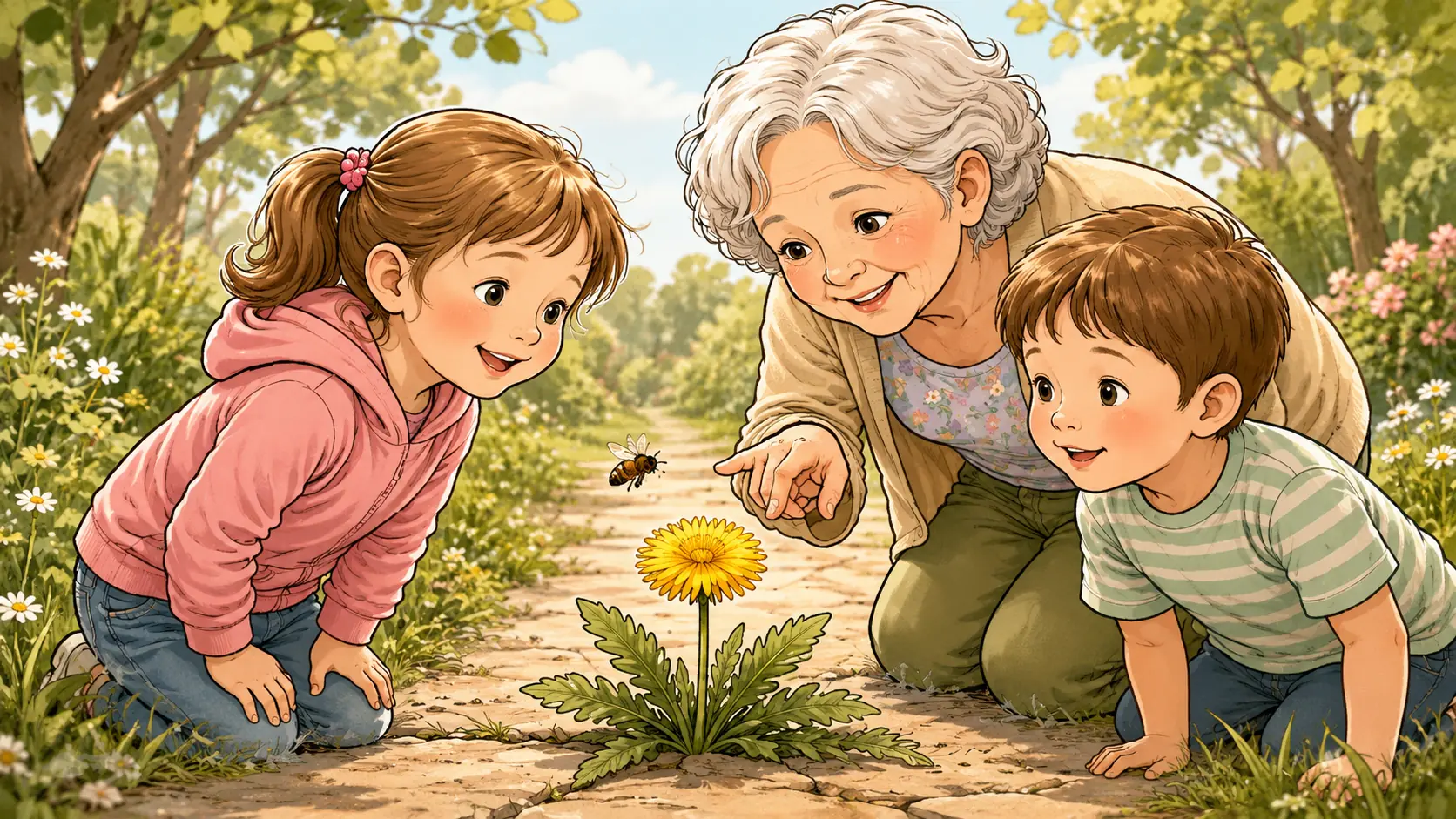
Many grandparents assume that showing up matters most during the big, dramatic moments. Yet children often carry the smaller, consistent appearances deeper into adulthood. The recital where you were the only grandparent there. The game where you cheered even after they sat on the bench the entire second half. These moments become proof that someone outside their immediate home believed they were important. Research on family involvement shows that consistent physical presence from grandparents is linked to greater emotional security in children, especially during the school-age years when peer pressure and self-doubt begin to rise.
You do not need to attend every single event. But the ones you choose to attend send a message that echoes for years. When you show up, you are telling your grandchild that their world is worth entering. You are also modeling for their parents what faithful love looks like across generations. The grandchildren who grow up knowing their grandmother made the effort to be there carry a quiet confidence that someone outside their daily routine saw them and celebrated them.
2. You listened
Your grandchildren will remember how you listened. Not the polite nodding while your mind was elsewhere, but the kind of listening that asked the next question. “Tell me more about what happened at recess.” “How did that make you feel when your friend said that?” They will remember the way you put your phone down, looked them in the eyes, and stayed with their story until it was finished. That kind of attention makes a child feel truly seen instead of merely tolerated.
Children can tell the difference between being heard and being understood. When you ask follow-up questions, you communicate that their inner world matters to you. You are not rushing them toward a solution or a moral lesson. You are simply staying present with whatever they are carrying. This becomes especially powerful during the middle school and high school years when many adults stop asking because the answers feel complicated or uncomfortable. Your willingness to keep listening says, “There is still room for you here, even when life gets messy.”
Family studies on intergenerational connection highlight that children who experience attentive listening from grandparents often develop stronger emotional vocabulary and greater resilience. They learn that their feelings are not too much and that someone older and wiser is willing to sit with them without judgment. That experience becomes a reference point they return to when they later face confusion, disappointment, or big decisions. Your listening is not passive. It is an active gift that shapes how they will listen to others one day.
3. You prayed
Your grandchildren may not have understood your prayers when they were small. They might have fidgeted or only half-listened when you prayed over a meal or before a trip. But years later, many of them will look back and realize that someone was regularly covering them before God. They will remember the sound of your voice asking for protection, wisdom, and blessing over their lives. That memory becomes a quiet anchor when they face their own storms as young adults.
Prayer is one of the few things you can still give even when distance or health limits other forms of involvement. When you pray specifically for each grandchild by name, you are doing something no one else may be doing with the same consistency. You are bringing their faces, their struggles, and their futures before the throne of grace. Many young adults later say that knowing their grandmother prayed for them gave them courage to return to faith or to keep going when everything felt dark.
You do not need eloquent words. Simple, honest prayers spoken out loud in their presence or written in notes they discover later carry lasting weight. The grandchildren who grow up under the covering of a grandmother’s prayers often carry a sense that they were never truly alone. That knowledge is a gift that continues long after you are gone. It is one of the most powerful legacies you can leave because it connects them directly to the God who hears every whispered name.
4. You stayed consistent
When life became messy, you did not disappear. That is the gift your grandchildren will remember. Divorce in their home, a parent’s job loss, a move across the country, or simply the normal turbulence of growing up—through all of it, you remained a steady presence. You did not pull back when things got uncomfortable. You did not make their pain about your disappointment or your need to fix everything. You simply stayed.
Consistency in difficult seasons teaches children something profound about love. It shows them that real relationship does not require perfect circumstances. Your continued presence during their parents’ struggles or their own mistakes becomes living proof that some people keep their promises even when it costs them something. Research on family resilience repeatedly shows that children who have at least one consistent, non-parental adult in their lives recover more fully from trauma and instability. You can be that adult.
Staying consistent does not mean you never set boundaries or that you always agree with every choice. It means your love and your presence are not conditional on everything going smoothly. Your grandchildren learn that they can return to you without fear of rejection. That safety becomes part of how they understand God’s own faithfulness. You are giving them a picture of steadfast love that words alone could never fully explain.
5. You entered their world with joy and playfulness
Your grandchildren will remember the times you got down on the floor with them. They will remember the silly voices you used when reading books, the board games you played even when you did not fully understand the rules, and the way you laughed at their jokes instead of rushing them to be serious. They will remember that you were willing to enter their world rather than always requiring them to enter yours. That willingness told them they were delightful, not just dutiful.
Many grandparents in their sixties and seventies assume their role is primarily to teach or to correct. Yet children often remember the grandmother who was willing to be playful more than the one who was only wise. When you color with them, build with blocks, or let them teach you their favorite video game, you communicate that their joy matters. You are not above their world. You are willing to step into it with delight. This kind of playfulness creates some of the warmest and most lasting memories.
Play is not frivolous. It is one of the primary ways children experience being fully accepted. When you laugh with them and let them lead the game, you give them permission to be children a little longer. You also model a kind of joy that survives into later life. Your grandchildren see that following Jesus does not require losing your sense of wonder or humor. That picture stays with them when they later face the pressures of adulthood and wonder whether faith must always be serious and heavy.
These five things do not require you to be perfect or to have unlimited energy. They require only your decision to keep showing up, keep listening, keep praying, keep staying, and keep entering their world with joy. The grandchildren who carry these memories into adulthood often become the ones who know how to love well themselves. They have seen it modeled in the grandmother who chose presence over performance and relationship over reputation.
You still have time to give them these gifts. The recitals and games may be fewer now, but the listening, the prayers, the consistency, and the playful presence can continue in new forms. Your grandchildren are still forming the stories they will tell about you one day. Make sure the ones they remember are the ones that point them toward love that does not walk away.
These five things may appear simple on the surface, yet they form the quiet foundation of a grandchild’s lifelong understanding of love. When you show up for the ordinary moments, listen until they feel truly seen, pray over them even when they do not fully understand, stay steady when life grows messy, and enter their world with genuine joy, you are giving them something far more valuable than any material gift. You are offering them a living picture of steadfast, Christ-like love—the kind that shows up, stays present, and refuses to walk away.
One day, when they are grown and perhaps raising children of their own, they will look back and realize that someone older and wiser chose to invest in them with presence rather than performance. They will remember the sound of your voice praying their name, the way you sat through long games and quiet conversations, and the safety they felt in your consistent love. These memories become part of how they understand God’s own faithfulness. They become the stories they pass on.
You do not need perfect circumstances or unlimited energy to give these gifts. You only need the willingness to keep choosing them in the years you still have. The grandchildren who carry these five things into adulthood often become the ones who know how to love well themselves. That is a legacy that outlasts any season of life. The time to build it is now, one ordinary, faithful moment at a time.