18 Signs of Histamine Intolerance (and what causes it)
People may not know about histamines, but they have heard about antihistamines, also known as allergy medications. Histamines are natural chemicals created by the immune system, and they help us deal with allergens, the substances that cause allergies. They do this by making people sneeze, tear up, itchy, or whatever is needed to eliminate the allergen. This reaction may seem like a good thing; after all, the immune system is just trying to do its job.
But sometimes, the body, namely the histamines, can overreact and see harmless substances like pollen, dust, or pet dander as a threat. That’s where antihistamines come in to suppress this overreaction. Histamine intolerance has similar symptoms to allergies but to a further extreme. Not only can it cause itchiness and sneezing, but it could also impact other important bodily functions. Histamine intolerance may appear similar to seasonal or food allergies, but the signs vary depending on each individual case. Symptoms may include:
What Does Histamine Intolerance Look Like?
- Digestive problems
- Fatigue
- Headaches or migraines
- Heartburn
- Hives
- Irregular menstrual cycles
- Nausea
- Sinus issues or congestion
- Watery eyes
- Vomiting
More severe cases of histamine intolerance may have symptoms like:
- Abdominal pain
- Anxiety
- Difficulty breathing
- Dizziness
- High blood pressure
- Irregular heart rate
- Struggle to regulate body temperature
- Swollen tissues [1]
What Causes Histamine Intolerance?
It’s important to note that histamine intolerance doesn’t mean the body can’t tolerate histamines; it means it contains too much of them. Histamines are responsible for several major functions, in addition to being part of immune responses to injuries or allergic reactions. They also help digestion by releasing stomach acid and aiding in communication messages to the brain. The body naturally makes histamine and diamine oxidase (DAO) This is the enzyme that’s supposed to break down histamine during digestion. However, people with a DAO deficiency cannot break down as much histamine as normal, leading to high levels of it in the body.
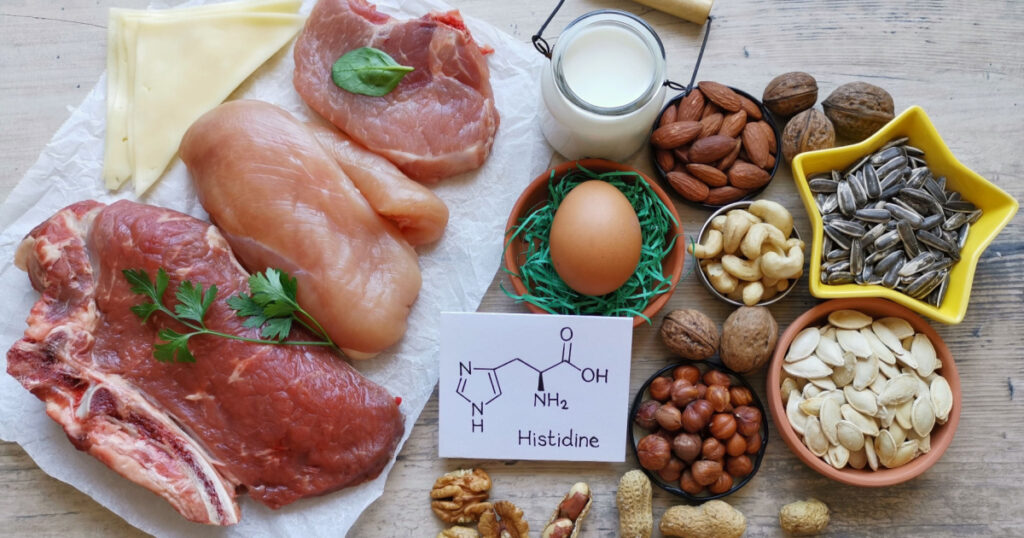
There are several ways to get a DAO deficiency, including:
- Gastrointestinal disorders
- Medications that interfere with DAO function and production
- Histamine-rich foods
- Foods that trigger histamine release
- Foods that block DAO enzymes
- Bacterial overgrowth in the gut causes overproduction of histamine
Recognizing and managing the condition is very difficult
“Histamine intolerance is unlike other allergies or sensitivities because it is not a reaction to the histamine itself but to the fact that we’ve too much of it,” Kerry Torrens BSc writes on BBC GoodFood. “This makes recognizing and managing the condition very difficult. Whether you experience symptoms or not will also depend on whether your personal tolerance to the amount of histamine in your body has been breached. Often referred to as your histamine ‘bucket’, once this capacity is met and exceeded, your bucket starts to overflow and symptoms become more challenging.” [3]
How to Lower Histamine Levels with Diet
Because food can play such a large role in DAO enzymes and histamine, diet is a good way to control histamine levels. For instance, there are many types of foods to avoid. One kind is rich in histamine, one kind triggers the release of histamine, and others block DAO production.
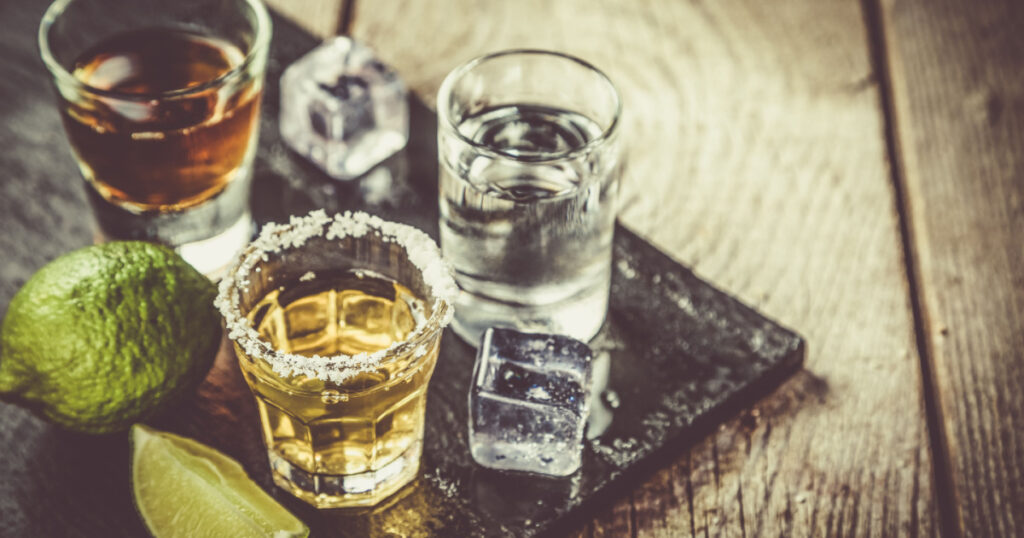
These include:
- Alcohol and other fermented beverages and foods
- Black tea, green tea, and energy drinks
- Fruits like avocados, bananas, and papaya as well as dried fruits and citrus fruits
- Vegetables like eggplant, spinach, and tomatoes
- Beans and nuts
- Processed or smoked meats
- Shellfish
- Aged cheese
- Chocolate
- Food dyes and other additives
No Long-term Diet fix
It’s vital to note that there’s no such thing as a long-term histamine-free diet. Speak to a dietician if you have histamine intolerance to work out a diet that works best for you. It’s important to consult with a professional before you give up eating certain foods. Meanwhile, you can focus on consuming more low-histamine foods to help reduce symptoms.
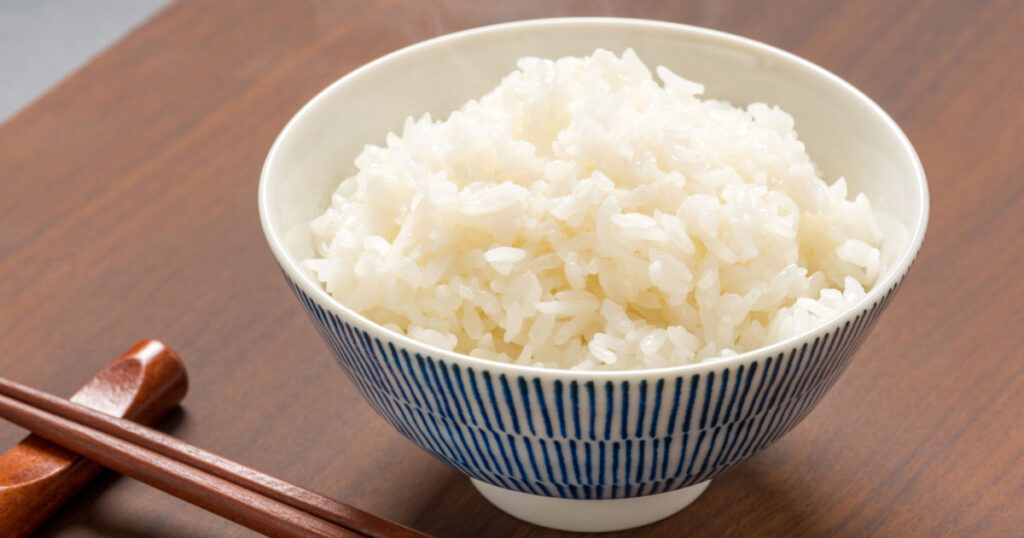
These can include:
- Gluten-free grains like rice and quinoa
- Non-citrus fruits (and avoid avocado and bananas)
- All vegetables aside from eggplant, spinach, and tomatoes
- Eggs
- Dairy substitutes like almond milk
- Fresh meat and fresh fish
- Cooking oils like olive oil [4]
Getting a Diagnose
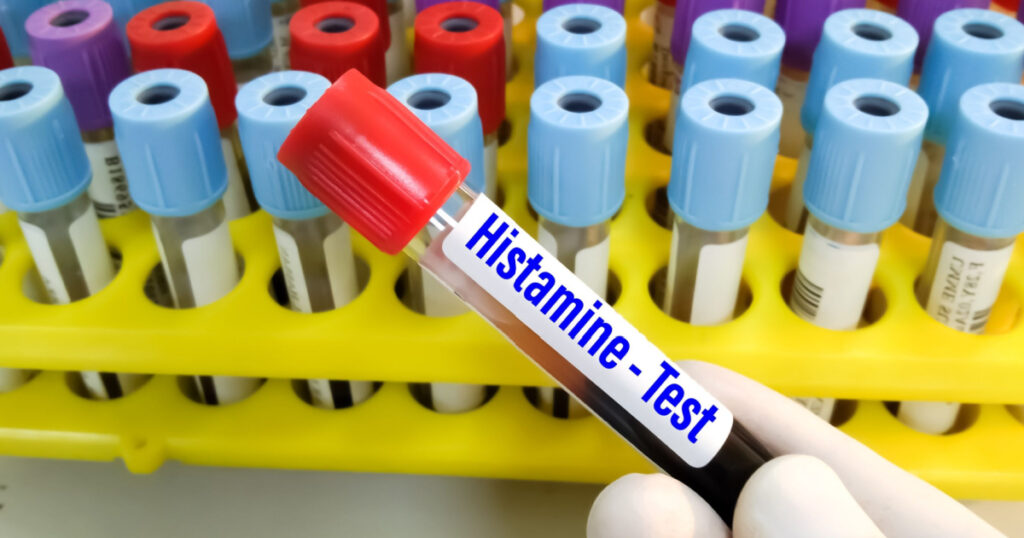
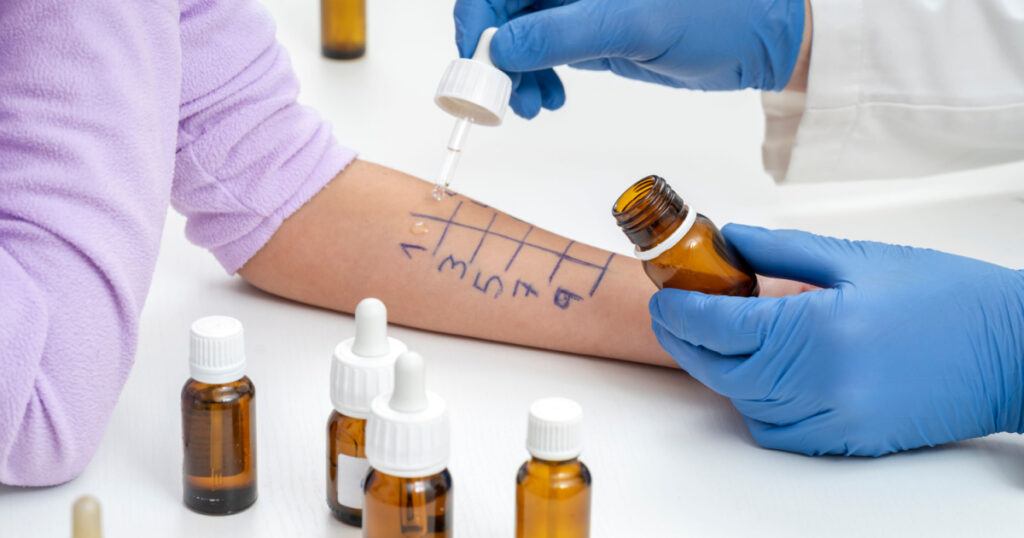
If you suspect you have histamine intolerance, do not self-diagnose. Its symptoms are very similar to other disorders, allergens, and infections. So speak to your doctor about your symptoms so they could eliminate other possibilities. This may involve following an elimination diet for 14 to 30 days. It will involve avoiding histamine-rich foods for a period of time and then slowly reintroducing them to see if they cause any reactions. The doctor may also take a blood sample to test for DAO deficiency.
The aforementioned antihistamines are also an option, although they are not a complete solution. “A lot of sufferers turn to antihistamine medication to block histamine activity and relieve their symptoms,” Torrens writes, “but it’s worth highlighting that these drugs don’t actually reduce your histamine load although you may benefit from symptom relief.”
News in the same category


The best foods for a happy menopause

If you notice this insect in your home, call professional pest control services immediately

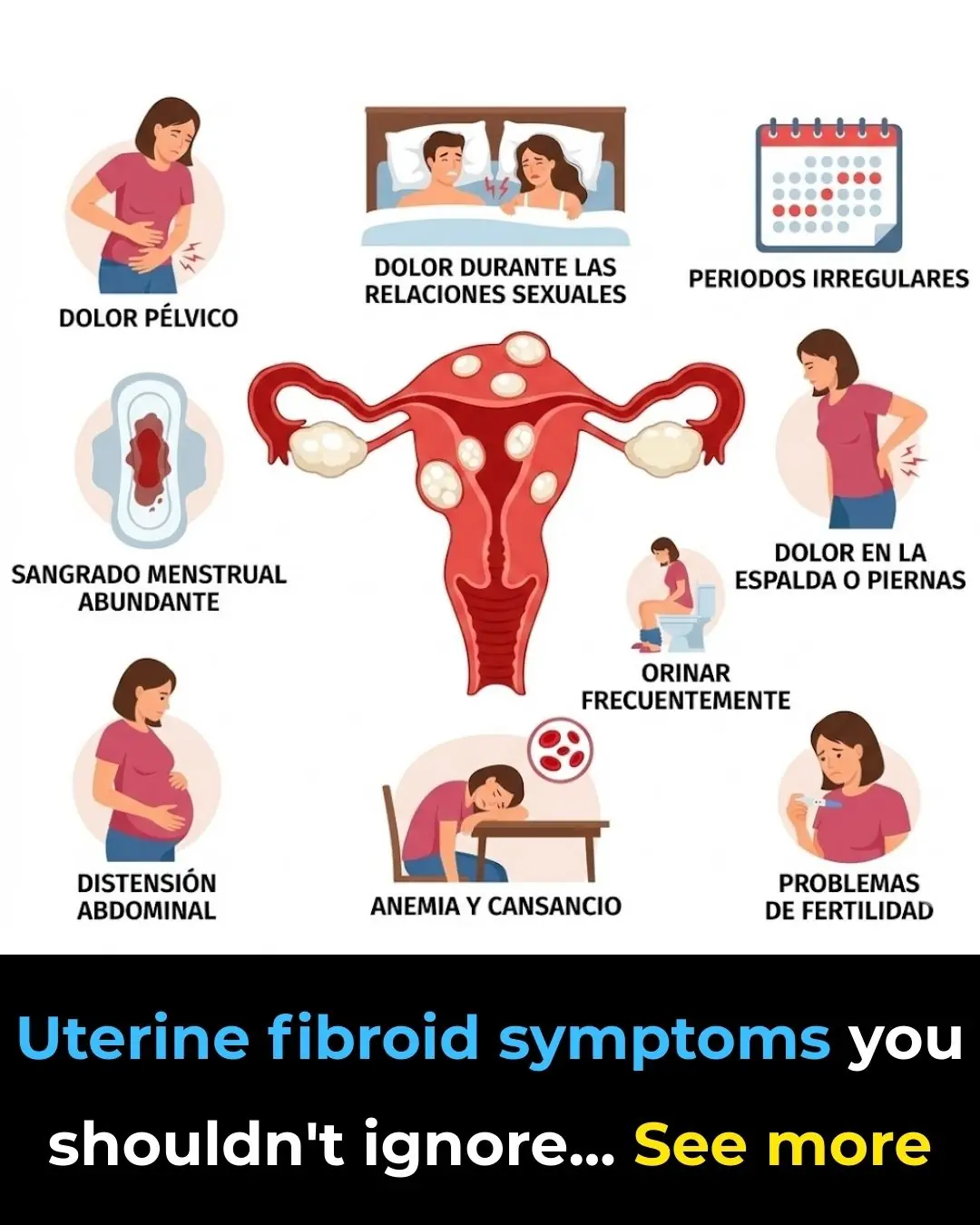
Uterine fibroids: 5 things we should know

Why do red moles appear on the skin? Here's what science says

Fig Leaves: Discover studies and ways to use this powerful plant

Doctors Reveal: Drinking Coconut Water May Cause…

What Happens to Your Body If You Eat One Garlic Bulb a Day? It’s Amazing!

Why You Wake Up with Bruises

Grow Longer Eyelashes and Thicker Eyebrows in Just 3 Days 💯

Why Eating a Banana with Almonds Before Bed May Support Better Sleep

Honeybee Venom and Its Emerging Potential in Cancer Research

Arginine: A Natural Biological Breakthrough in the Fight Against Tooth Decay

The Hidden Risk of Drinking Coffee on an Empty Stomach, According to Science

The Real Dietary Causes of High LDL Cholesterol You Should Know

Forget Knee Pain! A Simple Home Remedy with Sea Salt Doctors Don’t Talk About

Natural Remedies for Sciatica Pain Relief

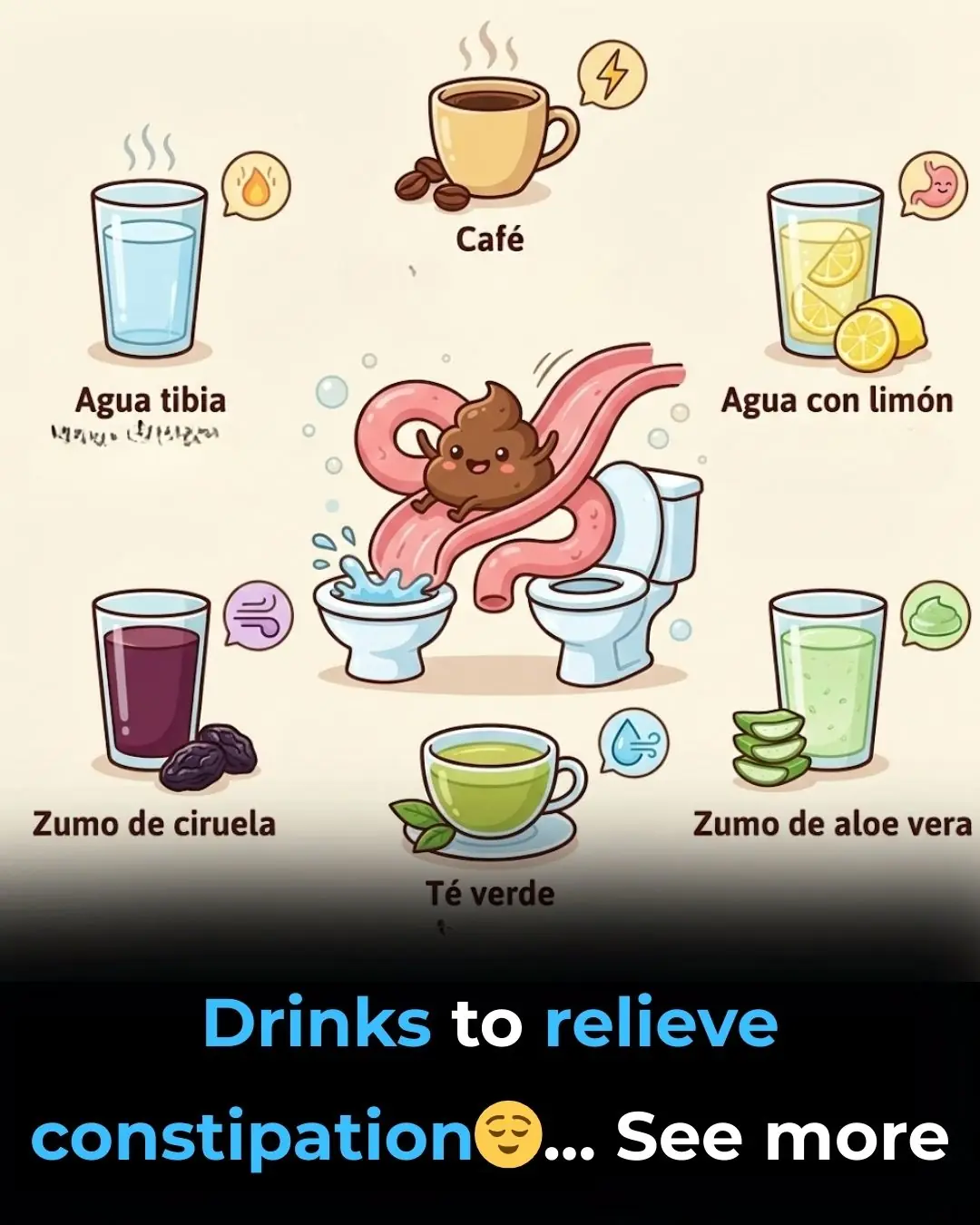
5 Effective Exercises to Relieve Constipation Naturally

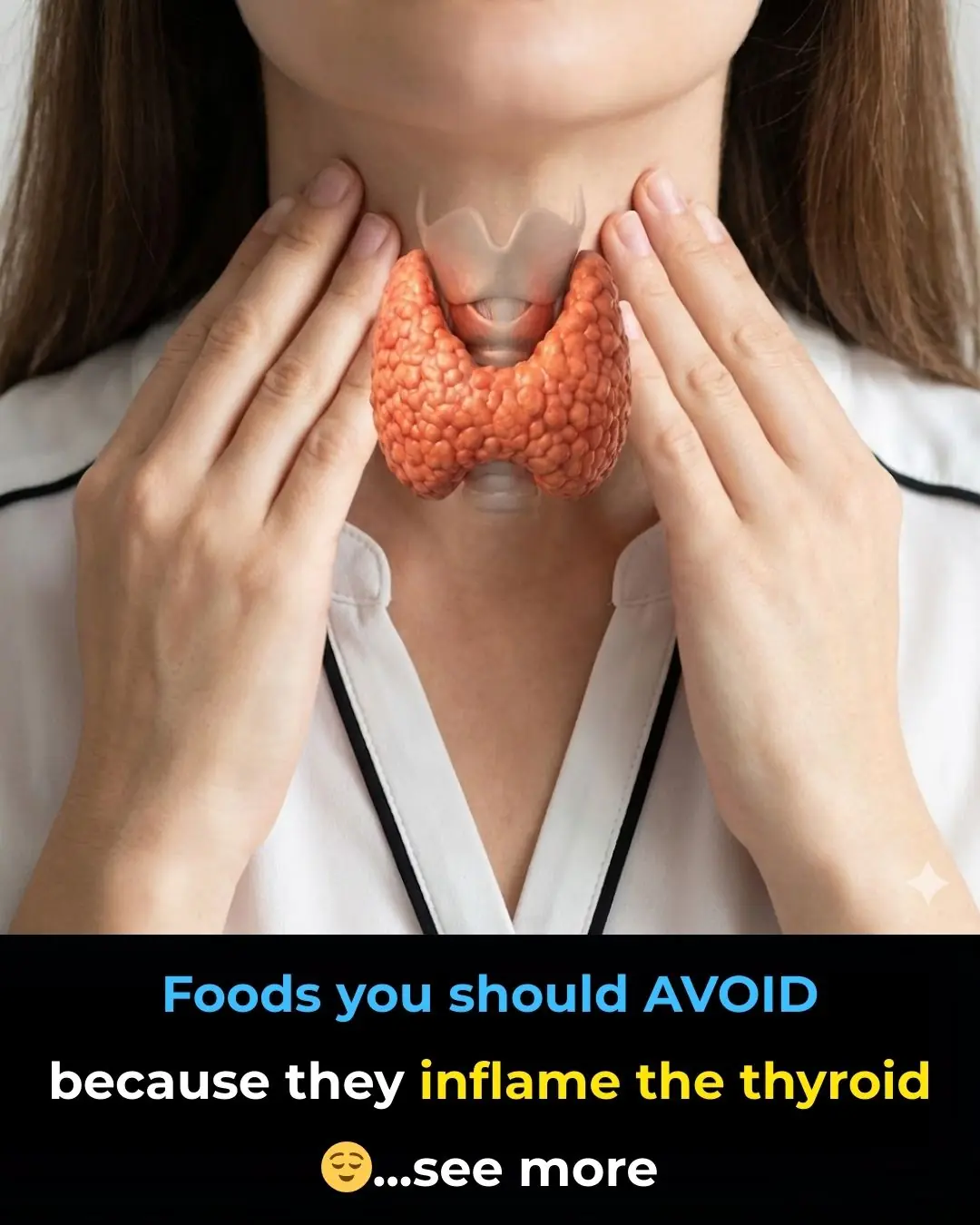
Which Foods Can Cause Thyroid Inflammation?
News Post

He Invited His “Broke” Ex-Wife to Humiliate Her—But She Arrived With Twins and the Document That Ended Him

The CEO Married a Maid With a “Dirty Past”—What He Discovered Changed Everything

Her Daughter Slept Alone—But the Bed Was Never Empty

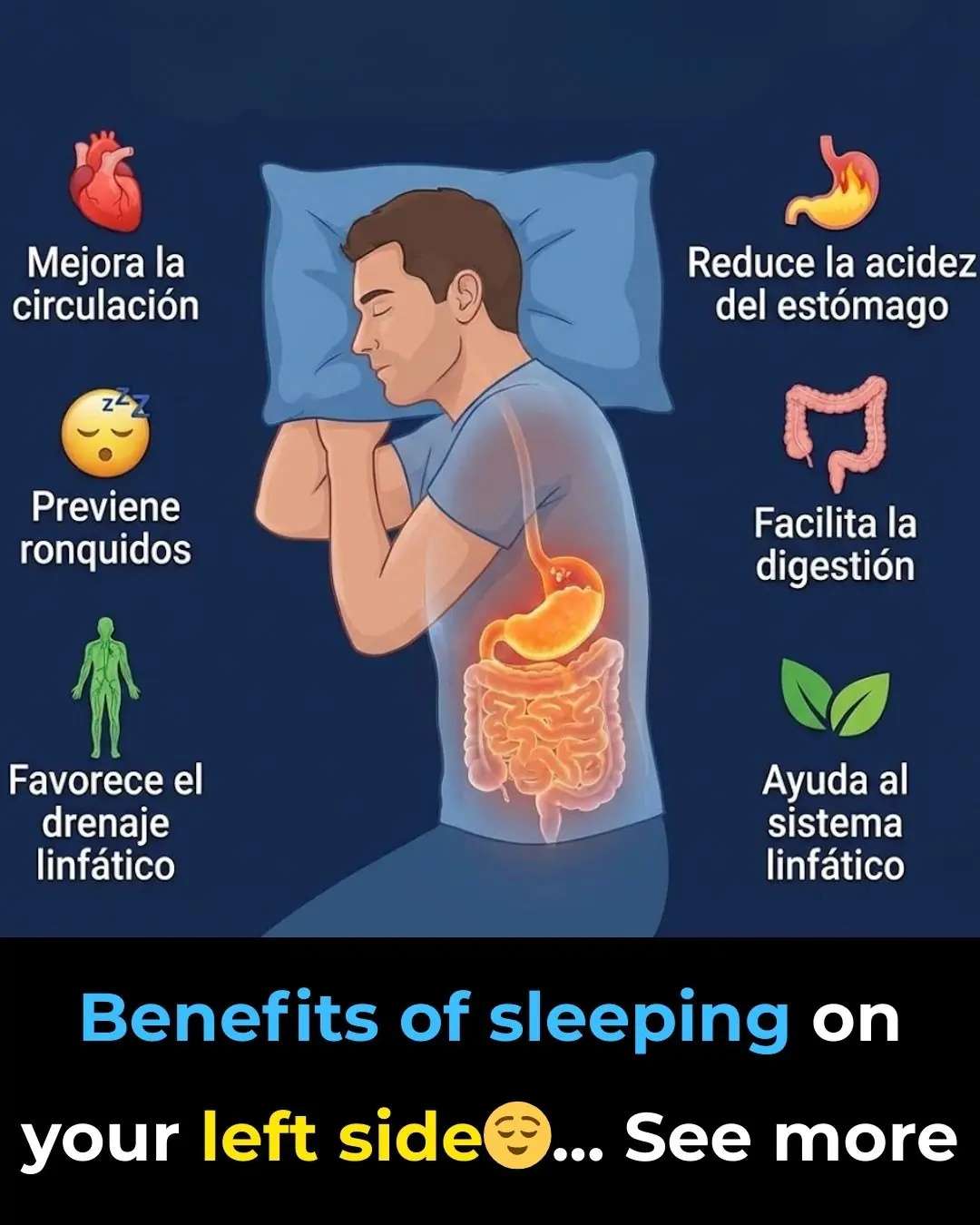
Is it better to sleep on your right or left side? Here's what science says

The best foods for a happy menopause

If you notice this insect in your home, call professional pest control services immediately

Uterine fibroids: 5 things we should know

Why do red moles appear on the skin? Here's what science says

Tell me what day you were born and I'll tell you something you didn't know about your personality

Surprising Aluminum Foil Hacks

Fig Leaves: Discover studies and ways to use this powerful plant

Doctors Reveal: Drinking Coconut Water May Cause…

What Happens to Your Body If You Eat One Garlic Bulb a Day? It’s Amazing!

Why You Wake Up with Bruises

A Second Chance at Love: How an Elderly Woman and a Senior Dog Found Each Other Before Christmas

The Rare White Iberian Lynx Reappears on Christmas Eve, Stunning Wildlife Lovers Once Again

Five Penguins Took a Wrong Turn at a Danish Zoo—and Calmly Walked Back Like Nothing Happened

Inside the Shadowy World of the Animal Liberation Front and Its Controversial Animal Rescues