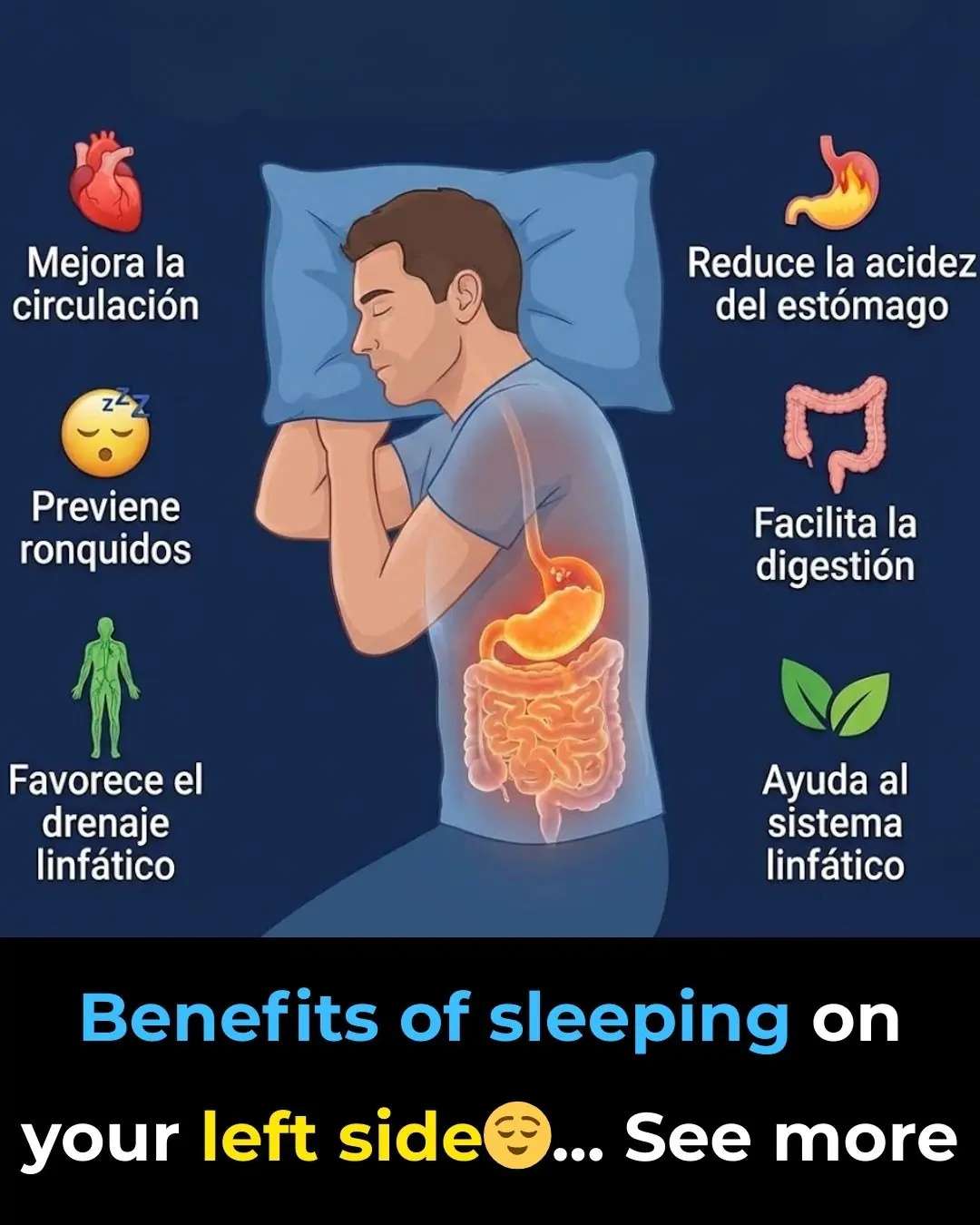
Is it better to sleep on your right or left side? Here's what science says
Health 22/01/2026 17:34

How to Support Hormonal Balance and Female Well-Being Naturally
Menopause is a natural stage in a woman’s life that usually begins around the ages of 40 or 45. During this process, the body undergoes hormonal changes that may manifest through symptoms such as difficulty sleeping, hot flashes, mood swings, weight gain, fatigue, and dry skin. Although these changes are normal, nutrition plays a key role in navigating this stage with greater well-being and balance.
A proper diet does not aim to eliminate menopause, but rather to support the body, provide essential nutrients, and promote better adaptation to this new phase. Below, we present the best foods for a happy and healthy menopause.
Avocado is one of the most complete foods during menopause. It is rich in monounsaturated fats, which are essential for hormone production and nervous system health. It also provides vitamin E, a nutrient associated with skin care and relief from dryness, a common symptom at this stage. Regular consumption may help improve mood, satiety, and sleep quality.
Flaxseeds stand out for their content of phytoestrogens—plant compounds that gently support hormonal balance. These nutrients may help reduce the intensity of hot flashes and night sweats. In addition, flaxseeds are rich in fiber, which supports digestion, cholesterol control, and intestinal health. To better absorb their benefits, it is recommended to consume them ground.
Salmon, sardines, and other fatty fish are an excellent source of omega-3 fatty acids. During menopause, these nutrients can help reduce inflammation, support cardiovascular health, and promote emotional stability. They are also associated with improved sleep quality and reduced mental fatigue.
Legumes such as lentils, chickpeas, and beans provide plant-based protein, iron, and fiber. They are ideal for maintaining stable energy levels and preventing blood sugar spikes, which becomes especially important as metabolism begins to change. In addition, their content of phytochemicals may contribute to overall hormonal well-being.
Deeply colored fruits and vegetables—such as berries, spinach, broccoli, and carrots—provide antioxidants that protect cells from oxidative stress. During menopause, these foods help care for the skin, strengthen the immune system, and support bone health. Daily consumption is essential for a balanced diet.
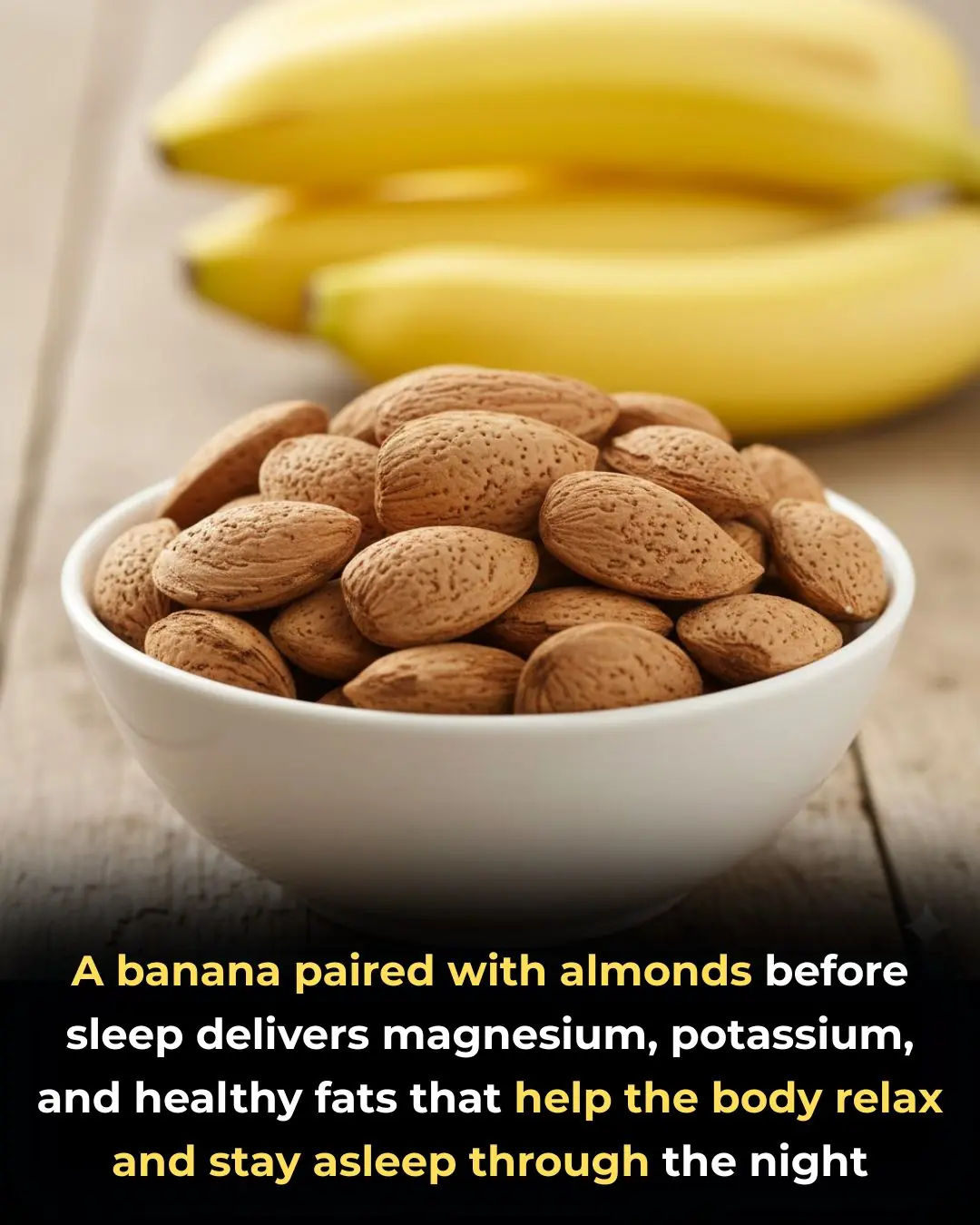
Almonds, walnuts, and hazelnuts provide minerals such as magnesium and zinc, which are essential for nervous system function and restful sleep. They also help reduce anxiety and maintain a feeling of fullness, which can be useful for managing weight gain during this stage.
Beyond specific foods, menopause is an opportunity to listen to the body and adopt more mindful habits. Eating slowly, staying well hydrated, and prioritizing natural foods can make a significant difference in how this stage is experienced. Every woman is different, so observing how the body responds to certain foods is part of the process.
A happy menopause does not depend on miracle solutions, but on daily decisions that support the body as a whole. Incorporating foods rich in healthy fats, fiber, antioxidants, and essential nutrients can help navigate this stage with greater physical and emotional well-being. Nutrition is a powerful ally in supporting the natural changes of the female body.