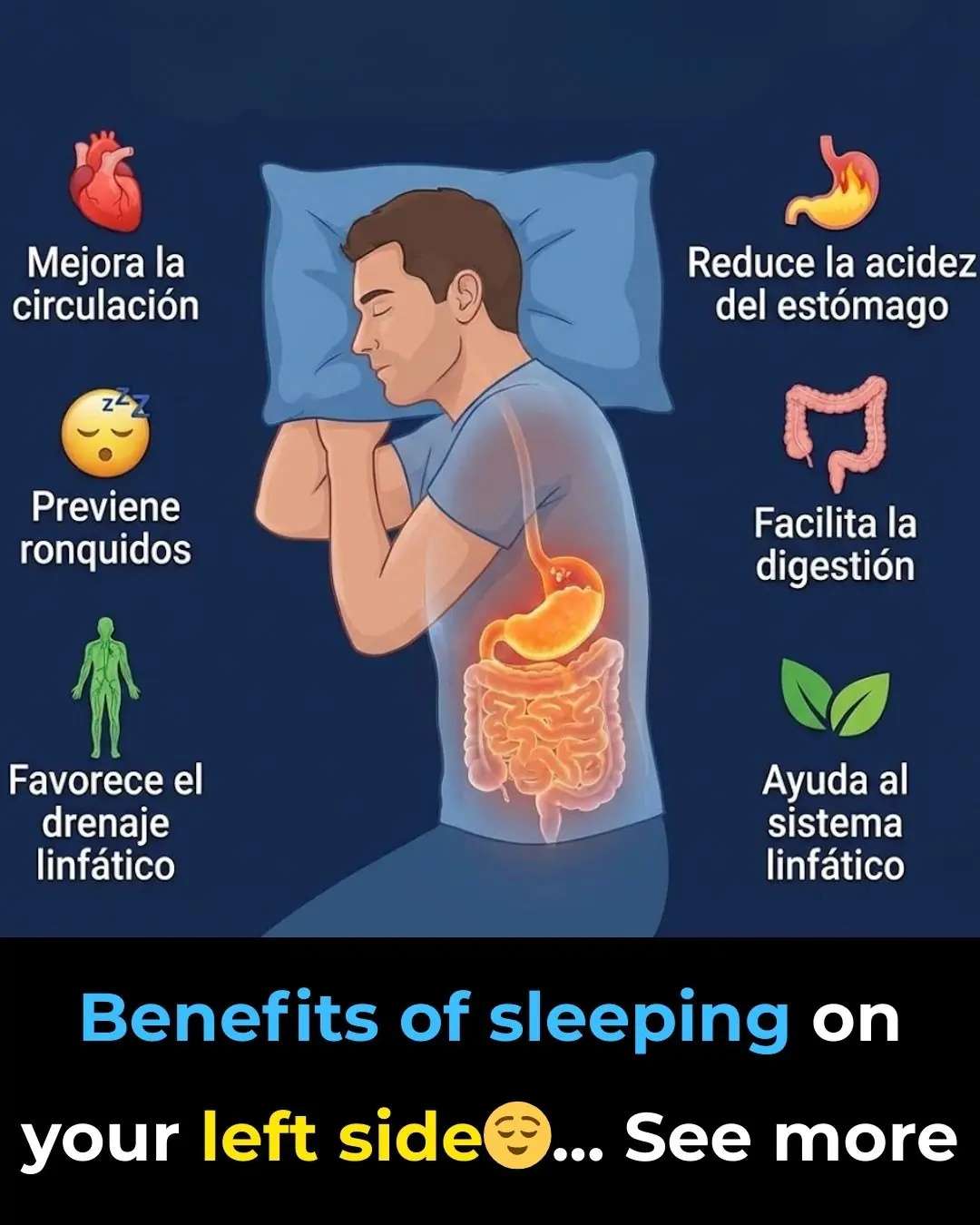
Is it better to sleep on your right or left side? Here's what science says
Health 22/01/2026 17:34
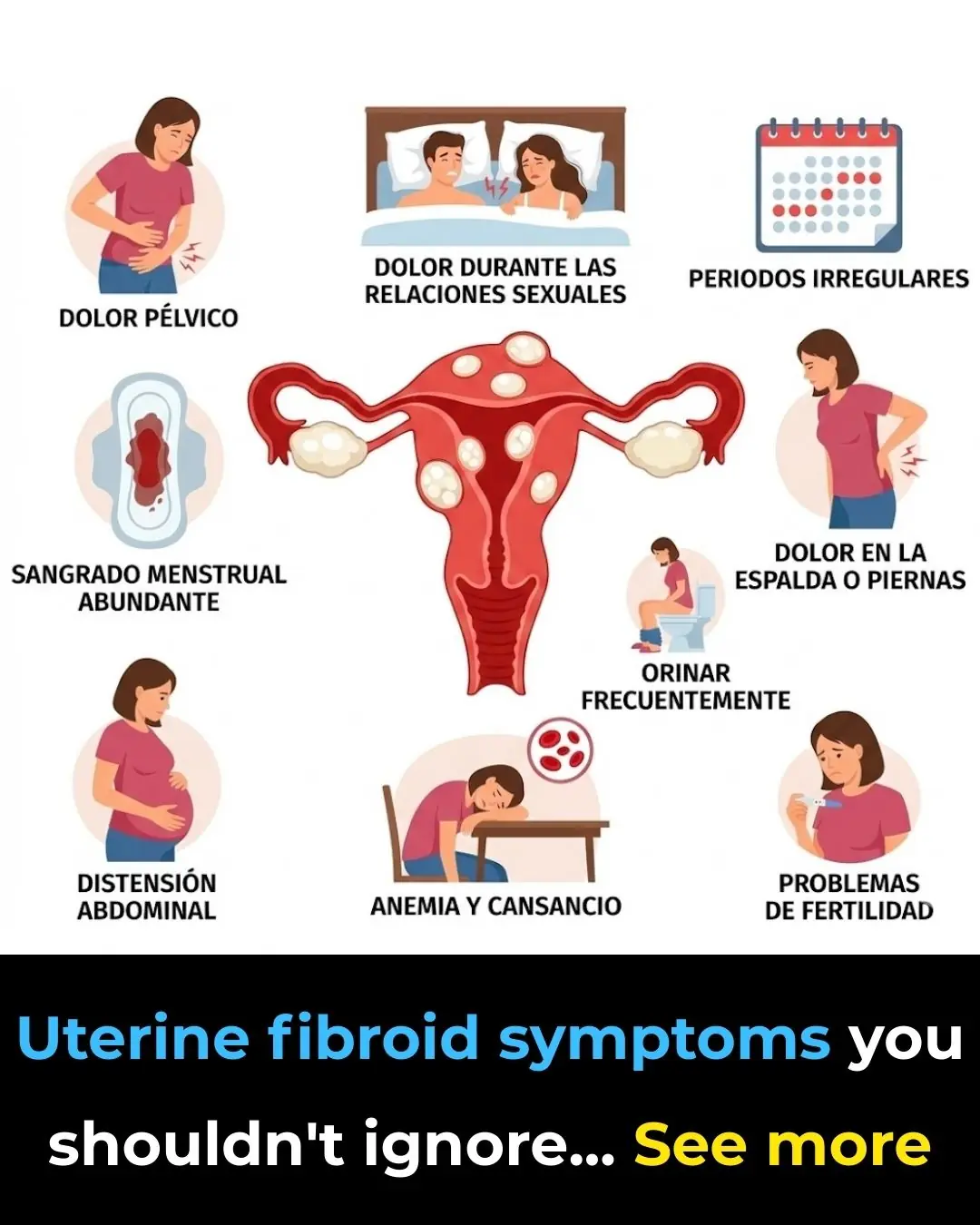
There are a large number of health problems that can affect us, and many times we are not even able to identify them. And if we have been diagnosed with one of them, we may even panic without knowing how harmful it can actually be.
Ezoic
As you already know, medicine is quite complex, but it is not impossible to understand. There are a number of diseases that come with multiple symptoms and signs, which is why we must learn to know ourselves better.
Ezoic
There are many things we need to learn about our body, and the first is the symptoms of different diseases. We also need to know about these diseases, because they may appear at any moment.
On this occasion, we will be talking specifically about a health problem that affects women: the well-known uterine fibroids. So keep reading this post and learn much more about them.
Ezoic
First of all, fibroids—also known as myomas—are growths that appear in the uterine area of women and must be treated. In some cases, surgical intervention may be required to remove them, while in others they can be treated through medication and regular medical monitoring.
These types of growths can appear at any stage of a woman’s life, and according to the Spanish Society of Gynecology and Obstetrics (SEGO), up to 70% of women may develop them.
Although they are very common and can be a cause of concern for many women, you should know that they are generally benign, and only 0.5% of these fibroids may become malignant or even cancerous. This largely depends on the treatment.
As we mentioned, they are not malignant, but they can become a significant nuisance and can also be painful. Knowing this, you surely won’t want to skip your regular visits to the gynecologist, right?
Ezoic
There are five aspects of these growths that you should know, and we explain them below:
Why do they appear?
Nowadays, the exact reason why they appear is still unknown, but it is believed that genetics may play a role. Although their origin is not known for certain, what is known is how they appear and develop.
In case you didn’t know, the uterus has several layers, one of which is the myometrium. Estrogen and progesterone cause small lumps to appear, which later turn into fibroids. These can be subserosal, which are practically asymptomatic, or intramural, which can cause bleeding and pain, and even infertility.
Who is at greater risk of developing them?
They generally appear between the ages of 35 and 55, but if there is a family history, they may develop even at a younger age. Being overweight also plays a role.
Symptoms:
At least 30% of women do not present symptoms, but the most evident ones include heavy menstrual bleeding, bleeding outside of menstruation, very long menstrual periods, iron-deficiency anemia, bloating and fatigue, weight gain, pain during intimacy, and the need to urinate more frequently.
Treatments:
In the most severe cases, treatment may involve surgical intervention, but they can also be eliminated with progesterone modulators, high-intensity focused ultrasound, and other medications prescribed by a doctor.
Fertility:
If fibroids are large, they can cause fertility problems or complications during pregnancy, and may even lead to miscarriages. Therefore, better planning is recommended in cases where fibroids are present—removing them first before attempting pregnancy.
Ezoic
This is what you need to know about fibroids, and we hope this information has been helpful to you.