5 Ancient Ayurvedic Remedies That May Help Cleanse Clogged Arteries Naturally
Health 14/12/2025 02:22
6 Dementia Symptoms You Might Overlook at First
Spotting the early signs of dementia isn’t always straightforward—they often masquerade as everyday forgetfulness, mood shifts, or fatigue. But these subtle changes can be the brain’s quiet way of signaling that something is wrong.
Recognizing these early warning signs allows for earlier support, compassion, and timely medical care—making a significant difference in the lives of those affected.
This content is intended for informational purposes only and should not be considered medical advice. Always consult a healthcare professional regarding your health and medical conditions.
Urinary incontinence is a common physical symptom of dementia, particularly in its later stages. A person may forget they need to use the bathroom, struggle to locate it—especially in unfamiliar environments—or be unable to get there in time. This can lead to embarrassment, emotional distress, and a growing need for caregiving support.

Simple, familiar tasks such as getting dressed, cooking a meal, or bathing may become confusing or overwhelming. The brain's ability to process sequences and remember steps begins to break down, which may result in skipping important actions or performing them in the wrong order.
As these difficulties increase, so does the person's reliance on caregivers—marking the progressive nature of the condition.

Alzheimer’s disease—the most common cause of dementia—impairs memory, planning, and organizational skills.
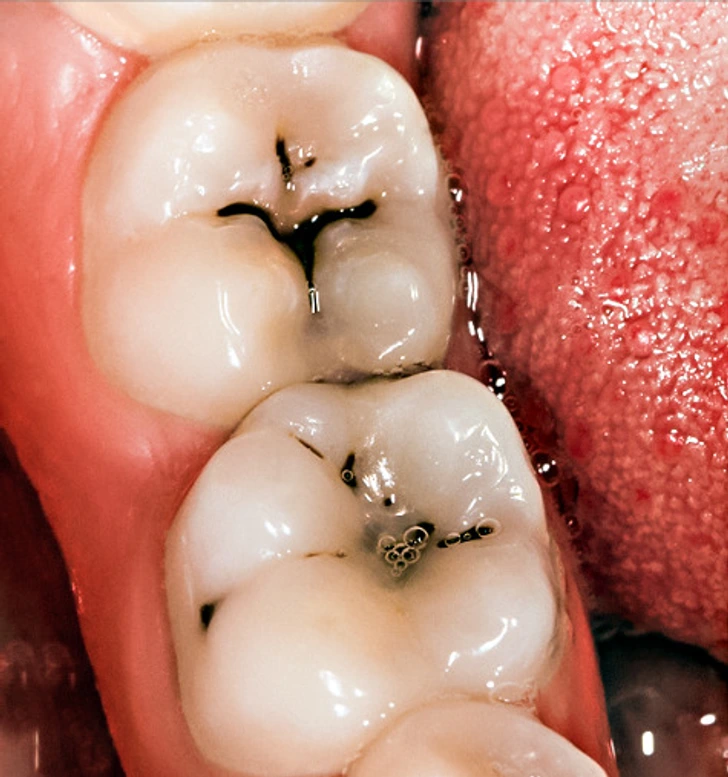
Interestingly, maintaining oral health may play a role in brain health. Studies have found that bacteria linked to gum disease have also been discovered in the brains of Alzheimer’s patients. These bacteria produce harmful substances that may damage brain cells and contribute to the buildup of proteins responsible for memory loss and cognitive decline.
Poor oral hygiene may allow these bacteria to enter the bloodstream and reach the brain, underlining the importance of dental care in reducing the risk of neurodegeneration.
A person with dementia may begin acting in ways that seem socially inappropriate or out of character. This symptom, known as disinhibition, occurs when changes in the brain affect impulse control.
They may make rude comments, act impulsively, or behave inappropriately in social situations. While unsettling, these actions are not intentional—they’re the result of neurological decline.

Dementia can also affect the brain’s ability to process space and visual information. Individuals may misjudge distances, struggle with depth perception, or have trouble recognizing familiar faces and objects.
This decline increases the risk of getting lost, makes driving dangerous, and can even interfere with reading or everyday mobility. As the condition worsens, confusion about surroundings can lead to anxiety and disorientation.
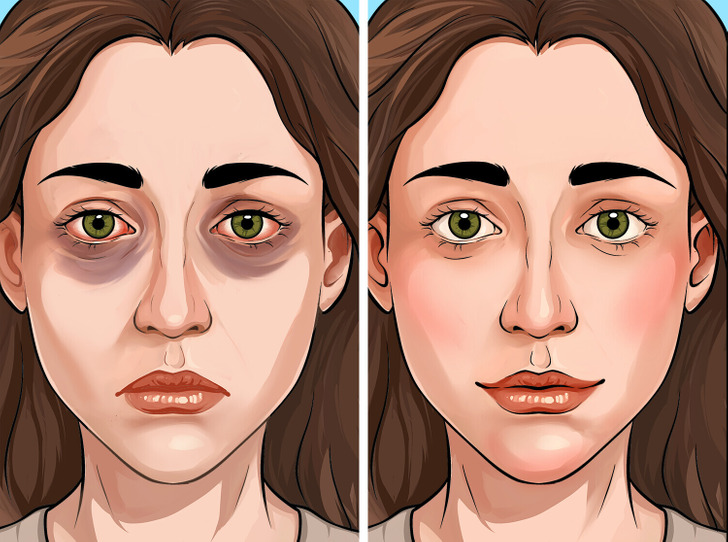
Sleep problems are common among people with dementia. These may include difficulty falling asleep, frequent waking during the night, or confusion after dark. Some people may become especially restless or agitated in the evening—a pattern known as sundowning.
Even with a full night’s sleep, they may feel tired or drowsy during the day. These disruptions can worsen irritability and confusion, creating further challenges for both patients and caregivers.
Be Aware of the Subtle Signs
These symptoms may seem minor at first, but together, they can signal the early stages of a serious condition. Being alert to changes in behavior, abilities, or health can help ensure that loved ones receive the care and medical attention they need—sooner rather than later.










![Reduce Foot And Ankle Swelling [Top 9 Causes]](https://onplusnewscom.8cache.com/onplusnewscom/images/2025/12/13/1765633594jVo6Fro3lO.webp)