We used to live close by. Now distance often separates us.
When many of us were growing up, grandparents frequently lived just minutes away. Being close meant we saw them often — not only on holidays, but in the rhythm of ordinary days. We could walk or drive to their house without planning. They could stop by without calling first. The relationship grew naturally through repeated, casual presence. We knew the sound of their voice in person, the feel of their hug, and the way their home smelled when dinner was cooking.
Today, many grandmothers live states away from their grandchildren. Careers, housing, and life choices have scattered families across the country. As a result, the closeness that once happened naturally must now be created through effort. We schedule video calls. We plan visits months in advance. We send photos and messages, hoping they land in busy lives. While technology helps us stay connected, it cannot replace the feeling of being physically present in a child’s daily world.
This distance creates a particular kind of grief. We miss not only the big moments but the small ones that build relationship over time. We miss being able to show up when a grandchild is sick or sad. We miss the chance to become part of their everyday environment rather than someone who appears occasionally. Many grandmothers carry a quiet sadness about the version of grandparenting they once imagined — one where physical closeness would allow love to grow through ordinary, repeated presence. The miles do not diminish our love, but they do change how that love is able to be expressed and received.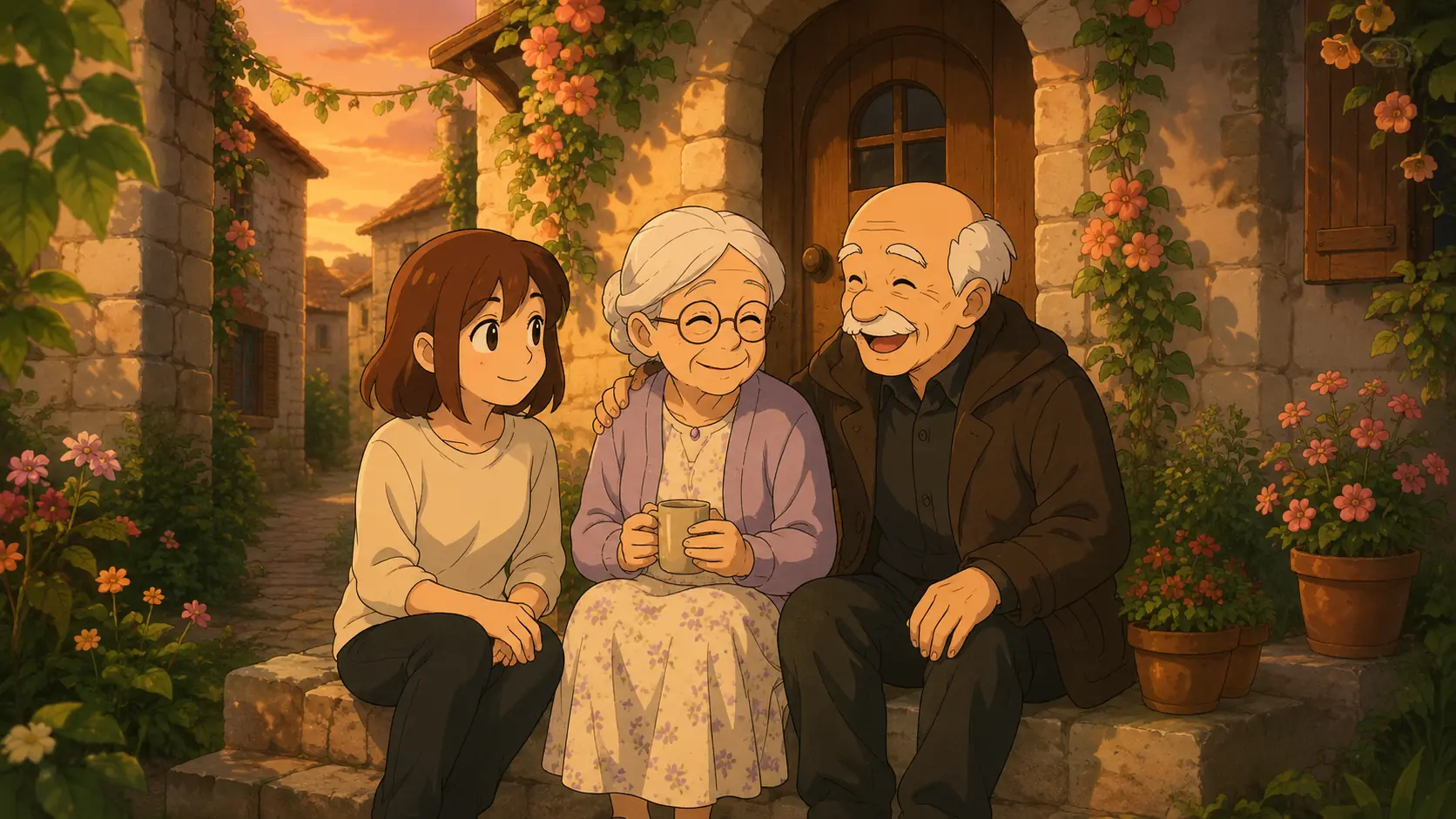
We used to step in without asking. Now we ask permission and respect boundaries.
In earlier generations, grandparents often felt free to offer help with childcare. They babysat regularly, sometimes without needing to be asked. There was an unspoken understanding that grandparents had both the right and the responsibility to be involved in their grandchildren’s daily lives. Parents frequently welcomed this support, and grandparents felt useful and needed.
Today, many of us approach involvement more carefully. We ask permission before offering to babysit or help with school pickups. We wait to be invited rather than assuming we are welcome. We try to respect the boundaries our adult children set around their parenting and their homes. While honoring these boundaries is important and often necessary, this shift can leave some grandmothers feeling unsure of their place. We may hesitate to offer help for fear of overstepping. We may feel we have to wait on the sidelines until we are explicitly welcomed in.
This change can create a sense of emotional distance. Many of us remember a time when our own parents stepped into our lives more freely. Now we often find ourselves holding back, even when we long to be more involved. The desire to help remains strong, but the freedom to act on that desire has diminished. For some grandmothers, this creates a quiet grief — the feeling of having love and practical support to offer, yet often being unsure whether that offer will be received.
We used to share our wisdom more freely. Now we often hold back.
When we were raising our own children, grandparents were generally seen as sources of experience and guidance. They had already walked the road of parenting and often felt comfortable offering advice based on what they had learned. Their wisdom was usually welcomed, even if it was not always followed exactly.
Today, many of us feel much more hesitant to offer guidance. We worry about being viewed as interfering or outdated. With so much parenting information available online and through experts, some adult children seem to prefer turning to apps, books, or professionals rather than asking their own parents. As a result, many grandmothers second-guess whether they should speak up at all. We may research or pray before offering any thoughts, wanting to make sure our words are helpful rather than harmful.
This hesitation can be painful. We carry decades of lived experience — both the things we did well and the mistakes we made. We long to pass on what we have learned. Yet we often hold back, unsure if our perspective will be valued or dismissed. Some of us have learned to wait until we are asked, or to offer thoughts only in gentle, indirect ways. While this careful approach can protect relationships, it can also leave us feeling silenced in a role where we once expected to have more voice.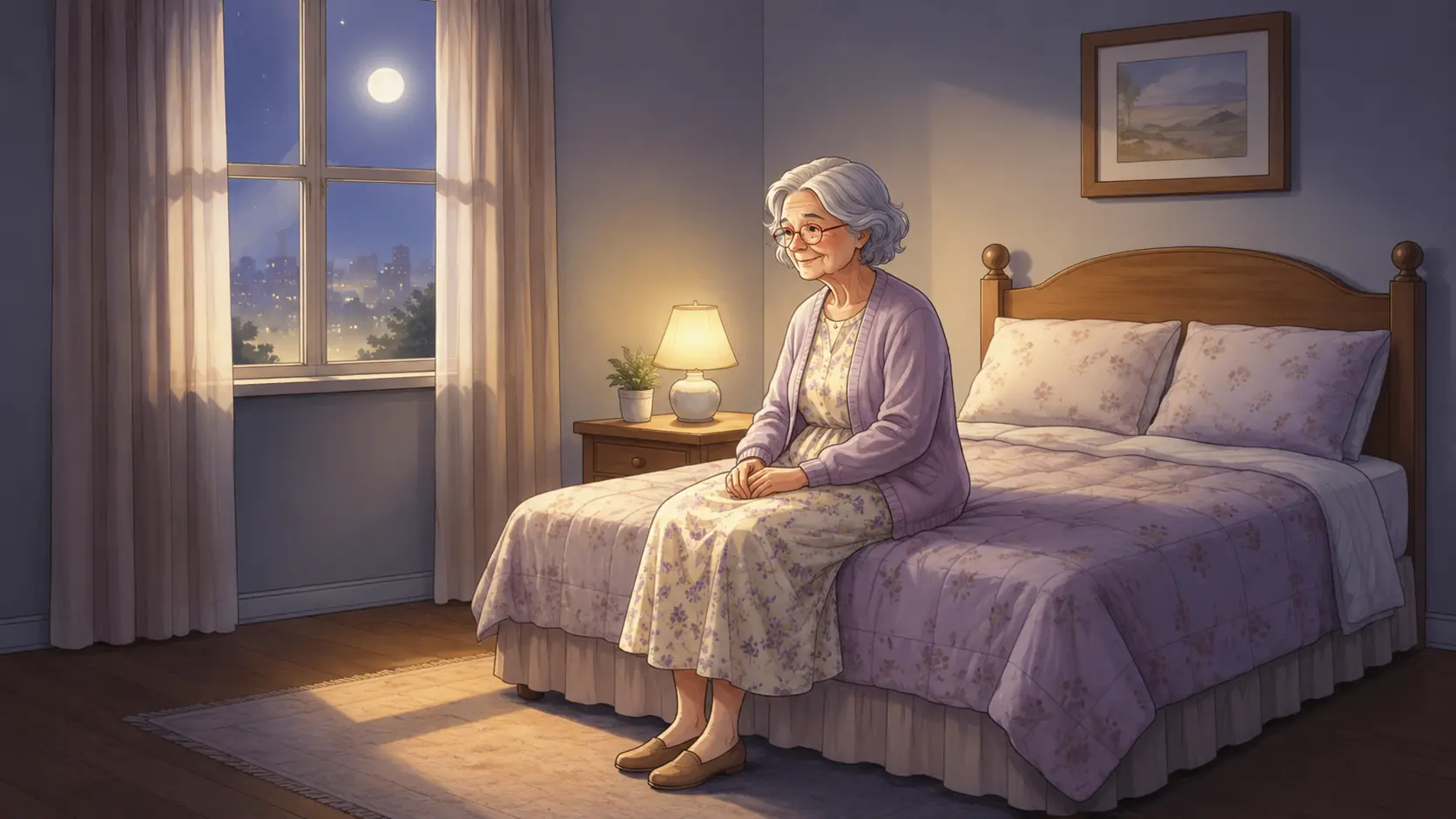
We used to follow the rules in our parents’ homes. Now we often follow our children’s rules even in our own.
When we were children, it was generally understood that when we visited our grandparents, we followed their rules. Their house had its own expectations, and we adapted to them. There was a natural respect for the older generation’s way of doing things.
Today, the dynamic has often reversed. Many grandparents find themselves adjusting their own homes and behaviors to match their adult children’s parenting preferences. Even when grandchildren visit us, we may be asked to follow specific routines around meals, screen time, discipline, or bedtime. Some of us feel we must carefully manage our own spaces to avoid conflict or criticism.
This shift can feel disorienting. Many of us remember a time when our own parents’ homes felt like a different world with its own clear expectations. Now we often feel we must create an environment that aligns with our adult children’s choices, even when those choices differ from our own values or experience. This can create a sense of losing a certain kind of authority in our own homes. It can also bring a quiet grief over no longer feeling fully in charge of the space we have worked hard to create.
The parents used to need us more directly. Now they often turn elsewhere.
In previous generations, new parents frequently relied on their own parents for practical help, emotional support, and day-to-day guidance. Grandparents were often seen as an important resource during the early years of raising children. There was a natural interdependence between generations.
Today, many new parents have access to an overwhelming amount of information through parenting apps, online communities, books, and professional experts. While this access can be helpful, it has also changed the way some families relate to grandparents. Instead of turning first to their parents for advice or support, many adult children now look to other sources. As a result, some grandparents feel less central and less needed in their grandchildren’s lives.
This shift can be especially painful for those of us who had hoped to pass on our wisdom and experience. We may feel replaced by technology and outside voices. We may wonder where we fit when our adult children seem to have so many other sources of information and support. The sense of being needed — which once felt like a natural part of grandparenting — has changed for many of us, leaving behind a quieter sense of loss.
These changes in grandparenting are significant, and they affect how many of us experience this season. The role we stepped into is not the same as the one our own grandparents occupied. We often find ourselves navigating new expectations while still carrying the deep desire to love and influence our grandchildren. The miles may separate us. The boundaries may feel new. The advice we once gave freely may now need to be offered more gently. Yet the heart of what we want to give has not disappeared.
We still want to be part of our grandchildren’s lives. We still want to pass on the values, stories, and love we carry. We still want to be a steady presence, even when that presence must take new forms. The shape of grandparenting may have changed, but the longing to matter in our grandchildren’s lives remains strong. And that longing, even when it must adapt, is still worth honoring and expressing in the ways available to us.
The grandchildren we love are growing up in a different world than the one we knew. Our role in their lives may look different than we once pictured. Yet the opportunity to influence them through our steady love, our prayers, our stories, and our example has not gone away. Even when the path looks different, the heart of grandparenting continues. And that heart is still worth showing up for — day after day, in whatever ways we can.