One of the most important lessons we can teach our grandchildren is how to recognize the difference between real friends and those who only pretend to be. In a world where children are often taught to be “nice” above all else, many grow up believing they must accept hurtful behavior in the name of keeping the peace. As grandmothers, we have the wisdom and the time to gently open their eyes. We can teach them, without filling their hearts with fear, that not every person who calls themselves a friend is truly one.
Friendships are some of the most important relationships our grandchildren will ever have. Good friends help shape their confidence, their values, and their sense of belonging. But bad friends can quietly damage a child’s self-worth, confuse their sense of right and wrong, and leave lasting emotional wounds. The earlier we help our grandchildren understand what unhealthy friendship looks like, the better prepared they will be to protect their hearts.
Here are ten clear signs that someone may not be a true friend. These are lessons we can share with our grandchildren in age-appropriate ways — through stories, conversations, and real-life examples — so they grow up knowing they deserve relationships that are kind, respectful, and safe.
They try to change you. A real friend likes you for who you are. They may encourage you to grow, but they do not try to rewrite your personality, your interests, or your values to match theirs. When someone constantly criticizes the way you dress, the music you like, the way you talk, or the things you believe in, they are not loving you — they are trying to mold you into someone else.
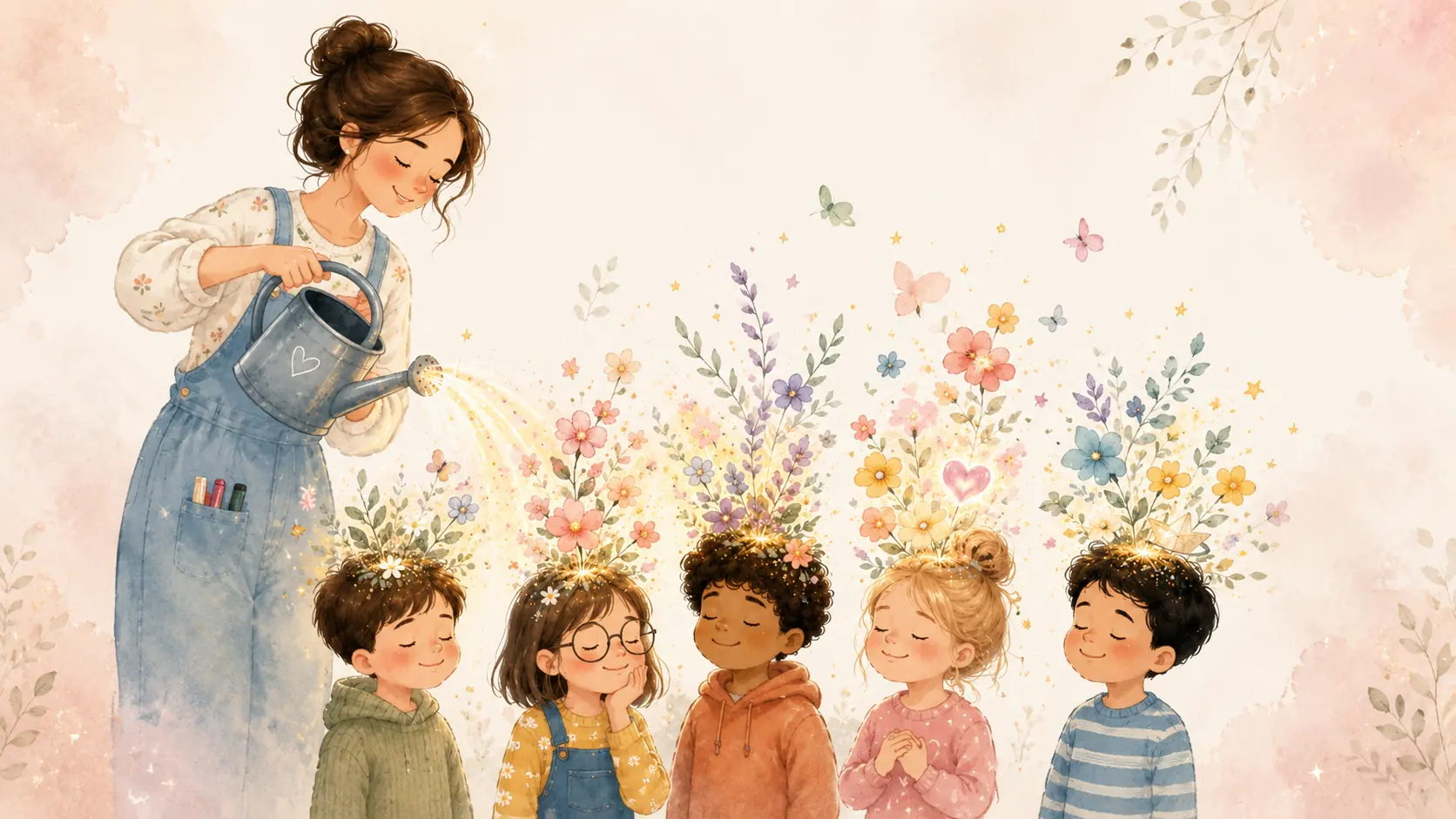
As grandmothers, we can help our grandchildren notice this pattern. We can ask gentle questions like, “Does this friend make you feel like you have to be different to be accepted?” Many children don’t realize they are slowly losing pieces of themselves to keep a friendship. Teaching them to recognize when someone is trying to change them helps protect their sense of identity. A true friend celebrates who you are. They don’t require you to shrink or reshape yourself to earn their approval.
They ignore your boundaries. Healthy friendships respect limits. When a child says “no” or “I don’t like that,” a good friend listens. But someone who repeatedly ignores boundaries — whether it’s touching without permission, pressuring them to share things they don’t want to share, or refusing to stop when asked — is showing disrespect.
We can teach our grandchildren that their “no” matters. We can role-play situations during our time together so they practice using their voice. When a grandchild tells us about a friend who keeps doing something after being asked to stop, we can gently say, “Real friends respect when you say no. You don’t have to keep explaining yourself.” This lesson is powerful. Children who learn early that their boundaries deserve respect are less likely to stay in relationships — friendships or otherwise — where those boundaries are crossed again and again.
They tease or hurt you regularly. Everyone teases sometimes in a playful way. But there is a clear difference between lighthearted joking and repeated, hurtful comments that leave a child feeling small or embarrassed. When teasing happens often and is followed by “I was just kidding” or “You’re too sensitive,” it is no longer harmless. It becomes a way of hurting someone while avoiding responsibility.
As grandmothers, we can help our grandchildren name this behavior. We can say, “If it hurts your feelings and they keep doing it, that’s not okay — even if they say they’re joking.” Many children stay in these friendships because they fear being called sensitive or dramatic. We can give them permission to walk away from people who regularly use humor as a weapon. True friends want you to feel good about yourself, not make you question your worth.
They expect your attention whenever they want it. Real friendship is mutual. But some children only reach out when they are bored, lonely, or need something. They may ignore their friend for days or weeks, then suddenly demand time and attention when it suits them. This one-sided dynamic teaches children that their own needs and time are less important than someone else’s convenience.
We can help our grandchildren notice this imbalance. We can ask, “Does this friend only call or text when they want something from you?” or “Do you feel like you’re always the one waiting for them to have time for you?” Teaching children to recognize one-sided friendships helps them understand that healthy relationships involve give and take. They deserve friends who value their time and presence, not just use them when it’s easy.
They turn everything into a competition. Healthy friends celebrate each other’s wins. But some children make every conversation, every game, and every achievement into a contest. They cannot be happy for their friend’s success because they are too focused on being better or having more. Over time, this constant competition creates resentment and insecurity rather than joy and support.
As grandmothers, we can point out the difference between friendly competition and toxic comparison. We can say, “A real friend is happy when good things happen to you. They don’t need to turn it into a race.” Children who grow up with competitive friends often feel they can never be enough. Teaching them to recognize this pattern helps them seek out relationships where mutual support, not constant comparison, is the foundation.
They only show up when they need something. This is one of the clearest signs of a one-sided friendship. Some children are only present when they want help with homework, a ride somewhere, money, or emotional support. When their friend needs them, they are suddenly unavailable. This pattern teaches children that they are only valuable when they are useful.
We can gently help our grandchildren see this dynamic. We can ask, “Does this friend reach out when things are going well for you, or only when they need help?” Many children feel used but don’t have the words to describe it. Giving them language for this experience helps them recognize that real friendship is not transactional. True friends show up in both good times and hard times — not just when they need something.
They act different in public and private. A true friend is consistent. But some children behave one way when others are watching and completely differently when they are alone with their friend. They may be kind and respectful in front of other people but rude, controlling, or mean when no one else is around. This inconsistency is confusing and often damaging.
As grandmothers, we can help our grandchildren notice this pattern. We can say, “If someone treats you differently when other people are around, that’s a sign they may not be treating you with real respect.” Children who experience this often feel they are living a double life. Teaching them to recognize it helps them understand that healthy friendships feel safe and consistent, whether in public or in private.
They pressure you into things you don’t want to do. This is one of the most dangerous signs of an unhealthy friendship. Some children use guilt, teasing, or threats to push their friends into doing things they are uncomfortable with — whether it’s breaking rules, being mean to someone else, or engaging in risky behavior. Pressure often sounds like “Everyone’s doing it” or “If you were really my friend, you would…”
We can teach our grandchildren that real friends respect their choices. We can practice responses together, such as “I’m not comfortable with that” or “I don’t want to do that.” Giving them the words and the confidence to resist pressure can protect them from situations that could harm them physically, emotionally, or spiritually. A true friend never makes you choose between your values and their approval.
They make fun of your dreams. Dreams are tender things, especially for children. When someone consistently mocks, dismisses, or makes fun of what a child hopes for in the future, it can crush their confidence and make them afraid to dream out loud. Real friends may not always understand your dreams, but they support them. They don’t use them as material for jokes or criticism.
As grandmothers, we can affirm our grandchildren’s dreams while also helping them recognize when someone is being unkind about them. We can say, “Your dreams are important. A real friend should encourage you, not make you feel silly for having them.” Protecting a child’s ability to dream is one of the most beautiful gifts we can give. When we teach them that their hopes deserve respect, we help them hold onto their vision for the future even when others try to diminish it.
They get jealous of your success. Jealousy is a natural human emotion, but in a healthy friendship it is managed and not expressed through hurtful behavior. When a friend becomes cold, distant, or even mean when good things happen to you, it reveals insecurity rather than support. Instead of celebrating with you, they may try to downplay your success or make you feel guilty for it.
We can help our grandchildren understand that real friends are happy when good things happen to the people they care about. We can say, “A true friend cheers for you. They don’t feel smaller because you are growing.” Teaching children to recognize jealous behavior helps them seek out relationships where mutual celebration is normal. It also protects them from the quiet damage that comes from being around people who cannot be genuinely happy for them.
Teaching our grandchildren to recognize these ten signs is not about making them suspicious of everyone. It is about giving them wisdom and self-respect. We are helping them understand that they deserve friendships built on kindness, honesty, and mutual care. We are showing them that it is okay — and often necessary — to step away from relationships that hurt them.
Many of us wish we had understood these things earlier in our own lives. We stayed in painful friendships longer than we should have because we didn’t have the words or the confidence to walk away. Now we have the opportunity to give our grandchildren what we didn’t have. We can teach them that their worth is not measured by how many friends they have, but by the quality of those friendships.
The conversations we have with our grandchildren about friendship will stay with them for years. When we take the time to explain these signs with patience and love, we are not just protecting them from bad friends. We are helping them become the kind of people who know how to be good friends themselves. We are raising children who understand that real friendship lifts you up, respects your boundaries, and celebrates who you are becoming.
This is some of the most important education we can offer. And as grandmothers, we are beautifully positioned to give it.