Is Printer Ink on Pork Safe?
Is Printer Ink on Pork Safe? Understanding the Risks
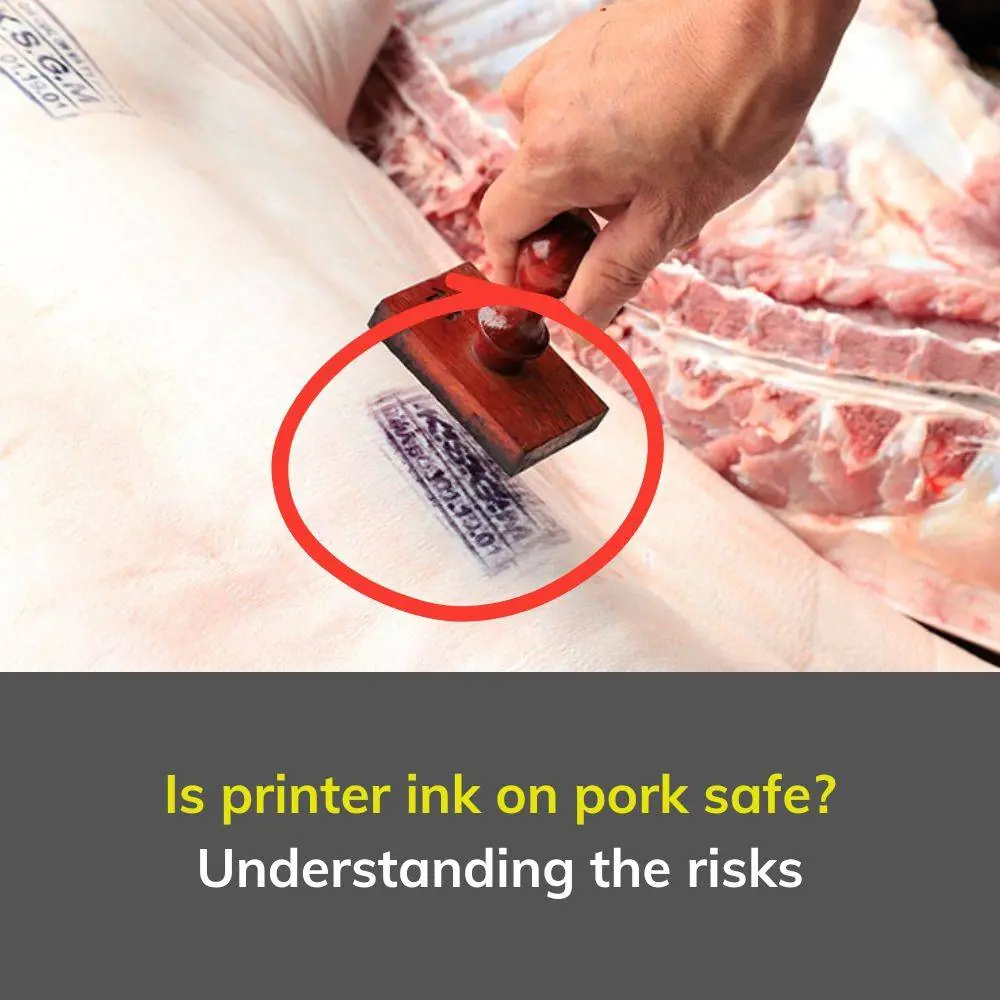
In today’s world, it’s common to see labels and barcodes printed on various products, including food items. However, one question that often arises is whether the ink used for printing on meat, such as pork, is safe for consumption. Let’s dive into this topic and uncover the truth.
1. What Ink Is Used?
The ink used on meat packaging or directly on the surface of meats like pork is typically food-grade ink. These inks are made from edible ingredients and are designed to be safe for direct contact with food. Food-grade inks are approved by regulatory agencies such as the Food and Drug Administration (FDA) and are commonly used for labeling and packaging.
2. Is It Harmful?
Food-grade inks are not harmful when used as intended. However, it's important to note that not all inks are created equal. In some cases, inks used for non-food purposes may contain chemicals that could be harmful if consumed. That’s why food-grade inks are specifically regulated to ensure they meet safety standards. They are generally considered safe for human consumption in small amounts, as they are non-toxic and non-reactive.
3. Regulations and Safety Standards
Regulatory bodies like the FDA and the European Food Safety Authority (EFSA) establish strict guidelines for the inks and dyes used on food products. These regulations ensure that the inks meet safety standards and are not harmful when ingested. Only inks that comply with these standards are approved for use on food packaging, including meat products like pork.
4. Should You Be Concerned?
For consumers, the idea of ink being on food may seem concerning, but it’s important to understand the difference between inks meant for food and those used for other purposes. Food-grade inks are regulated and tested for safety. If you are buying pork with printed markings, there is no need to worry about the ink itself as long as it adheres to food safety regulations.
5. How to Ensure Safety?
To ensure the meat you buy is safe, always check for proper labeling and certification. If you're uncertain about the safety of a product or its packaging, consult the store or manufacturer to confirm that the ink used is food-grade.
In summary, the ink used on pork or any other meat, when approved for food use, is safe and poses no harm to health. It’s crucial to ensure the ink is food-grade and meets the necessary regulatory standards for your peace of mind.
News in the same category


Australian HPV Vaccination Marks Cervical Cancer Milestone

Vitamin K2 Supplementation and Vascular Health in Chronic Kidney Disease

Daily Prune Consumption and Bone Health in Postmenopausal Women

Montmorency Tart Cherry Juice as an Adjunctive Therapy in Ulcerative Colitis

Methylene Blue–Based Photodynamic Therapy as a Selective Strategy Against Breast Cancer Cells

Regenerating True Articular Cartilage: A Breakthrough in Joint Repair

Deuterium-Depleted Water and Long-Term Survival in Cancer Patients: Evidence from a Hungarian Population-Based Analysis

Daily cocoa extract supplements lowered cardiovascular disease deaths by 27%

Ivermectin stopped aggressive cancer cells from moving and spreading in lab tests

The Best Natural Gout Treatments: Remove Uric Acid Crystallization To Prevent Gout And Joint Pain

Quickly Drain You Lymph System Using Theses Simple Techniques to Boost Immunity and Remove Toxins

The Top 20 Essential Oils to Relieve Pain and Inflammation (Research Based)

Headache Above or Behind the Left Eye: Causes and Treatments

Root Canals May Lower Risk of Heart Disease, Diabetes

Mother-to-Infant Microbiome Transmission: Beyond Bacteria to Genes

Vitamin C Supplementation and Its Targeted Impact on the Human Gut Microbiome

Sleep and Dementia Risk: What You Should Know

Warning: 4 things to avoid when napping to prevent illness

The Amazing Benefits of Guava Leaf Water That Few People Know
News Post

Viral Infections Can Triple the Risk of Heart Attack and Stroke

Australian HPV Vaccination Marks Cervical Cancer Milestone

My outdoor faucet suddenly froze and now I’m seeing water seeping indoors — what should I do before a plumber can come?

Vitamin K2 Supplementation and Vascular Health in Chronic Kidney Disease

Daily Prune Consumption and Bone Health in Postmenopausal Women

Montmorency Tart Cherry Juice as an Adjunctive Therapy in Ulcerative Colitis

Methylene Blue–Based Photodynamic Therapy as a Selective Strategy Against Breast Cancer Cells

Regenerating True Articular Cartilage: A Breakthrough in Joint Repair

Deuterium-Depleted Water and Long-Term Survival in Cancer Patients: Evidence from a Hungarian Population-Based Analysis

Daily cocoa extract supplements lowered cardiovascular disease deaths by 27%

Ivermectin stopped aggressive cancer cells from moving and spreading in lab tests

These brown crusty spots keep showing up, and my doctor is booked for weeks given Christmas. Should I be concerned?

There’s this crusty little spot that keeps scabbing and reopening, and I can’t get in to see anyone yet. What could this be?

I had no clue about this

My fingertips keep splitting open in the cold, but I can’t get in to see the doctor anytime soon. What can I do now?

The Best Natural Gout Treatments: Remove Uric Acid Crystallization To Prevent Gout And Joint Pain

Quickly Drain You Lymph System Using Theses Simple Techniques to Boost Immunity and Remove Toxins

The Top 20 Essential Oils to Relieve Pain and Inflammation (Research Based)

Headache Above or Behind the Left Eye: Causes and Treatments