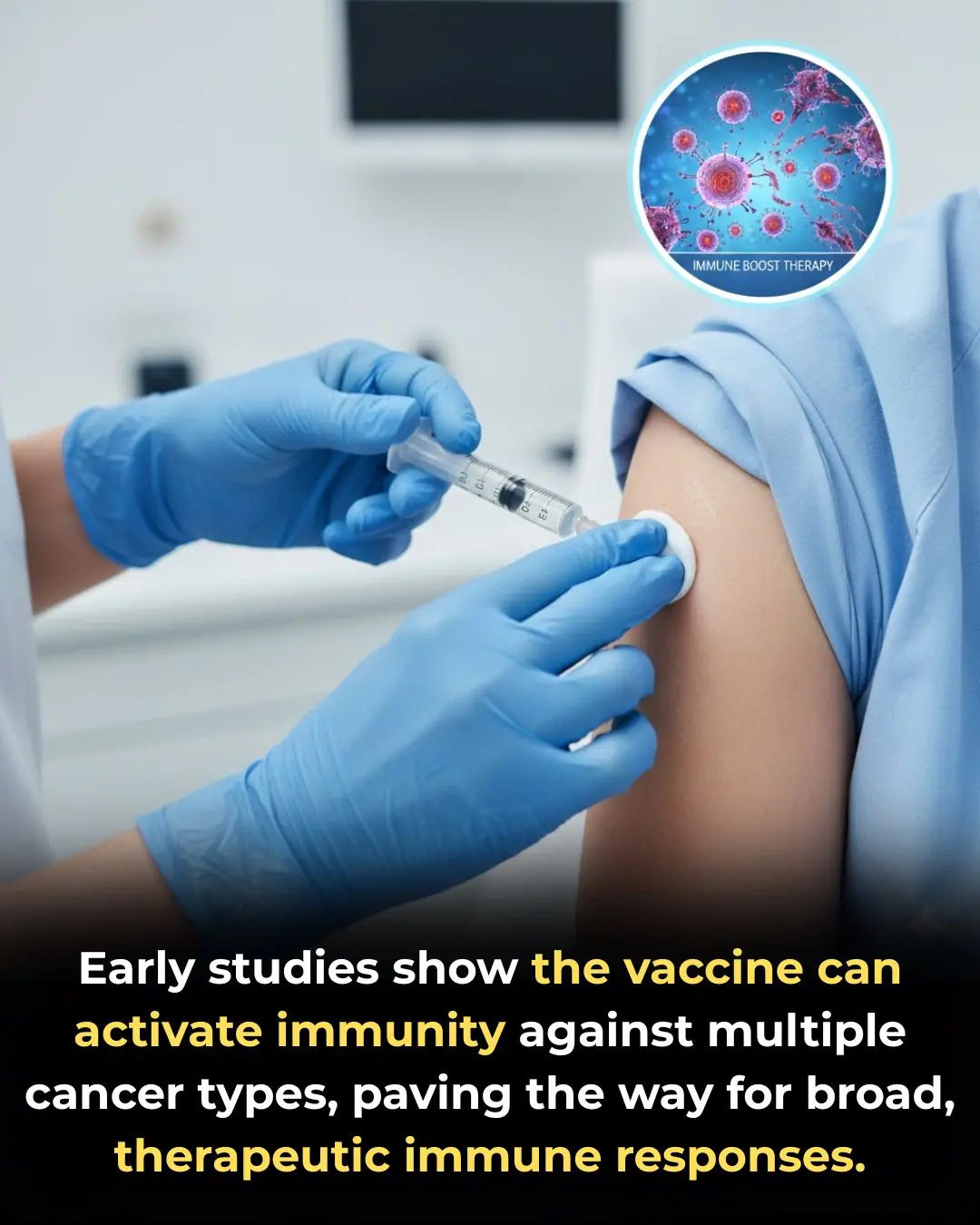
🧬 What Makes This Vaccine Different?
Health 22/01/2026 21:32
Cardiac effects: Mice fed small amounts of aspartame over 12 months showed reduced pumping efficiency, subtle structural changes in the heart, and signs of cardiac stress.
Brain effects: The same mice performed worse on memory and learning tasks, with altered glucose metabolism suggesting reduced energy supply to the brain.
Dose relevance: These effects appeared at levels well below the WHO’s recommended daily intake for humans, equivalent to about one-sixth of the acceptable daily intake.
CIC biomaGUNE (Spain, 2025): Found prolonged intake of artificial sweeteners could negatively affect multiple organs, including the heart and brain.
ScienceAlert report (2025): Confirmed that low-dose aspartame exposure in mice led to both cardiac inefficiency and cognitive decline.
Additional findings (2025): Long-term intake sabotaged brain and heart function, reinforcing concerns about chronic exposure.
Children and adolescents: Researchers caution against routine consumption, as developing organs and brains may be more vulnerable.
Regulatory reassessment: Current safety thresholds may need review if similar effects are observed in humans.
Uncertainty remains: Animal studies are not definitive; human trials are required to establish risk levels.
| Aspect | Findings in Mice | Human Relevance |
|---|---|---|
| Heart function | Reduced efficiency, structural changes | Needs human validation |
| Brain function | Memory decline, altered glucose metabolism | Possible concern, unproven |
| Dose levels | Below WHO’s daily intake | Suggests current limits may be conservative |
| Regulatory stance | Calls for reassessment | WHO still considers aspartame safe within limits |
Animal-to-human gap: Effects in mice may not directly apply to humans due to metabolic differences.
Study duration: One year in mice approximates long-term exposure, but human lifespans require extended trials.
Confounding factors: Diet, environment, and genetic predispositions may influence outcomes.
Low-dose aspartame exposure in mice was enough to impair heart pumping capacity and learning abilities, raising concerns about long-term safety. While these findings highlight potential risks, human studies are urgently needed before revising global intake guidelines. For now, moderation—especially among children and adolescents—remains the most prudent approach.