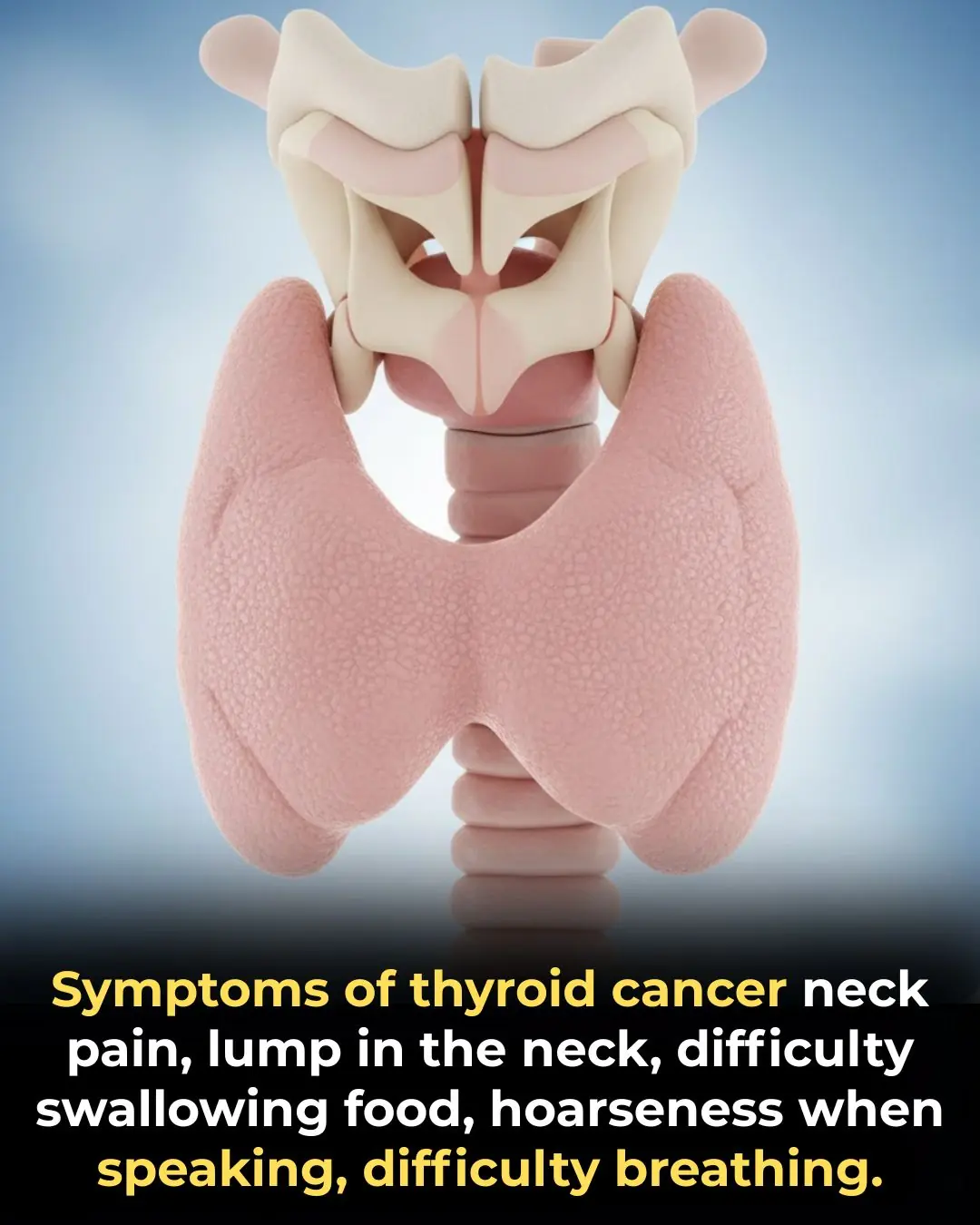
The 5 signs your body sends that warn you about thyroid cancer
Health 24/01/2026 18:10
Pathologists have consistently found P. gingivalis in the brains of patients with Alzheimer’s disease. This bacterium produces gingipains, toxic enzymes that can destroy neurons and trigger inflammation. The presence of these toxins in brain tissue suggests that oral infections may migrate beyond the mouth, contributing to cognitive decline.
Migration pathways: Oral bacteria may enter the bloodstream through inflamed gums and cross into the brain.
Neurotoxicity: Gingipains damage neurons and disrupt signaling.
Inflammation: Chronic gum disease can fuel systemic inflammation, a known risk factor for dementia.
A landmark study published in Science Advances (2019) found P. gingivalis and gingipains in Alzheimer’s brains, linking gum disease to neurodegeneration.
The National Institute on Aging highlights oral health as a modifiable risk factor for cognitive decline.
Animal studies show that oral infection with P. gingivalis accelerates amyloid plaque formation, a hallmark of Alzheimer’s disease.
While oral hygiene cannot guarantee prevention, it may reduce risk:
Daily brushing and flossing to remove plaque and bacteria.
Routine dental check-ups to catch gum disease early.
Healthy diet low in sugar to reduce bacterial growth.
Avoiding smoking, which worsens gum disease and increases dementia risk.
This research reframes oral health as more than cosmetic—it is a first line of defense for brain health. Protecting gums may help protect memory, independence, and quality of life as we age.
P. gingivalis, the gum disease bacterium, has been detected in Alzheimer’s brains, releasing toxins that contribute to neuron damage. Good oral hygiene may lower dementia risk, though it is not a guaranteed prevention.
Sources:
Science Advances – Porphyromonas gingivalis in Alzheimer’s brains: evidence and therapeutic implications
National Institute on Aging – Oral health and dementia risk
Alzheimer’s Association – Modifiable risk factors for cognitive decline