
5 Ancient Ayurvedic Remedies That May Help Cleanse Clogged Arteries Naturally
Health 14/12/2025 02:22
Moringa, often hailed as the “Miracle Tree,” has been revered for centuries for its extensive health benefits. Originating from the foothills of the Himalayas, this versatile plant has been used in traditional medicine to treat a myriad of ailments. Recently, moringa has gained widespread recognition in the health and wellness community, thanks to its nutrient-rich profile and potential to boost overall well-being. In this article, we’ll explore the top 10 health benefits of moringa and how you can easily incorporate this powerful plant into your daily routine.

Moringa is a powerhouse of essential nutrients. It is packed with vitamins, including vitamin A, C, and E, as well as minerals like calcium, potassium, and iron. Just one serving of moringa leaves provides a significant percentage of your daily recommended intake of these nutrients, making it an excellent natural supplement for maintaining optimal health.
Moringa is loaded with antioxidants, which are compounds that help protect the body from oxidative stress and free radical damage. These antioxidants, such as quercetin and chlorogenic acid, have been linked to reducing inflammation, lowering the risk of chronic diseases, and promoting healthy aging.
The high concentration of vitamins and minerals in moringa, particularly vitamin C and iron, plays a crucial role in supporting the immune system. Regular consumption of moringa can help bolster your body’s defense mechanisms, making it easier to ward off infections and illnesses.
Moringa has been shown to have heart-protective properties, thanks to its ability to lower cholesterol levels and regulate blood pressure. The plant’s antioxidants also help reduce inflammation, which is a major contributor to cardiovascular disease. Incorporating moringa into your diet can be a natural way to support heart health.
Known for its high fiber content, moringa can aid in digestion and promote regular bowel movements. Additionally, moringa’s anti-inflammatory properties can help soothe the digestive tract, making it beneficial for individuals with conditions like irritable bowel syndrome (IBS) or gastritis.
Thanks to its rich vitamin E content and powerful antioxidants, moringa can improve skin health by reducing oxidative stress and promoting collagen production. Regular use of moringa, either topically or through dietary consumption, can lead to healthier, more radiant skin.
Moringa contains compounds that have neuroprotective properties, which can support cognitive function and mental clarity. The plant’s rich nutrient profile, particularly its vitamin E and C content, helps combat oxidative stress in the brain, which is linked to neurodegenerative diseases like Alzheimer’s.
Moringa has been found to have blood sugar-lowering effects, making it beneficial for individuals with diabetes or those at risk of developing the condition. Studies suggest that moringa can help improve insulin sensitivity and reduce blood sugar spikes after meals.
Chronic inflammation is at the root of many serious health conditions, including heart disease, cancer, and autoimmune disorders. Moringa’s potent anti-inflammatory compounds, such as isothiocyanates, can help reduce inflammation throughout the body, promoting overall health and reducing the risk of chronic diseases.
Moringa can be a valuable addition to a weight management plan. Its high fiber content aids in digestion and helps you feel full for longer, reducing the likelihood of overeating. Additionally, moringa’s ability to regulate blood sugar levels can help curb cravings and maintain energy levels, making it easier to stick to a healthy diet.
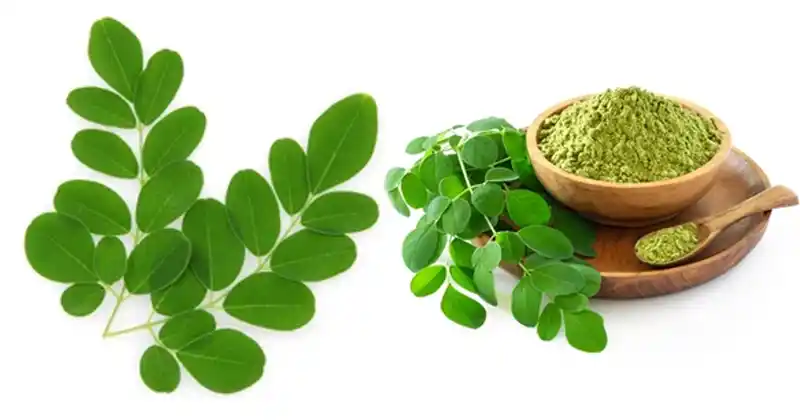
If you’re fortunate enough to have your own moringa plant, you’ve got a treasure trove of health benefits right at your fingertips! Even if you’re new to using moringa, it’s easy to start incorporating it into your daily routine with just a few simple steps.
Fresh Moringa Leaves: The leaves are the most nutritious part of the plant. Harvest fresh leaves directly from the tree, wash them thoroughly, and add them to salads, soups, or stews just like spinach or kale. For a more subtle flavor, lightly sauté them in olive oil and garlic as a tasty side dish.
Drying Moringa Leaves: To preserve your moringa harvest, dry the leaves by spreading them in a single layer on a clean, dry surface, and let them air dry in a cool, shaded area. Once completely dry, crush them into a fine powder using a blender or mortar and pestle. Store this homemade moringa powder in an airtight container, and add it to smoothies, soups, or even baked goods whenever you need a nutrient boost.
Moringa Tea: Fresh or dried moringa leaves make a refreshing and nutritious tea. Steep a handful of fresh leaves or slightly crushed dried leaves in hot water for about 5 minutes. You can enjoy your tea plain or add honey and lemon for extra flavor.
Using Moringa Pods (Drumsticks): The long, green pods, also known as drumsticks, are another edible part of the moringa plant. Harvest young, tender pods, as they are the most flavorful. Cook them in soups, curries, or stir-fry them with other vegetables. Just cut the pods into small pieces and simmer them until tender.
Harvesting Moringa Seeds: Moringa seeds are found inside the pods and can be harvested once the pods dry out. The seeds can be eaten raw or roasted, or you can press them to extract moringa oil, which is excellent for cooking or skin care. To eat them, simply remove the outer shell and enjoy the inner seed.
Growing your own moringa and using it in your daily life is not only rewarding but also a great way to ensure you’re getting the freshest and most potent form of this miracle plant. Start with small amounts, experiment with different uses, and find what works best for you. As you become more familiar with moringa, you’ll discover new ways to enjoy its many benefits.
While moringa is generally safe to use, especially when fresh, it’s important to introduce it into your diet gradually to avoid any digestive discomfort. Pregnant or breastfeeding women should consult a healthcare provider before using moringa in large amounts. Always remember to wash the leaves and pods thoroughly before using them, and start with small quantities to see how your body responds.
By nurturing your moringa plant and incorporating it into your daily routine, you can enjoy the full range of health benefits this amazing tree has to offer.
For more insights into powerful natural remedies, check out 11 Surprising Benefits of the Miracle Leaf of Life and Nature’s Miracle Herb for Holistic Healing.











![Reduce Foot And Ankle Swelling [Top 9 Causes]](https://onplusnewscom.8cache.com/onplusnewscom/images/2025/12/13/1765633594jVo6Fro3lO.webp)