A 95-Year-Old Cancer Expert with 60 Years of Research Reveals: Four Things You Must Avoid to Keep Cancer from Knocking on Your Door
Health 30/12/2025 01:06
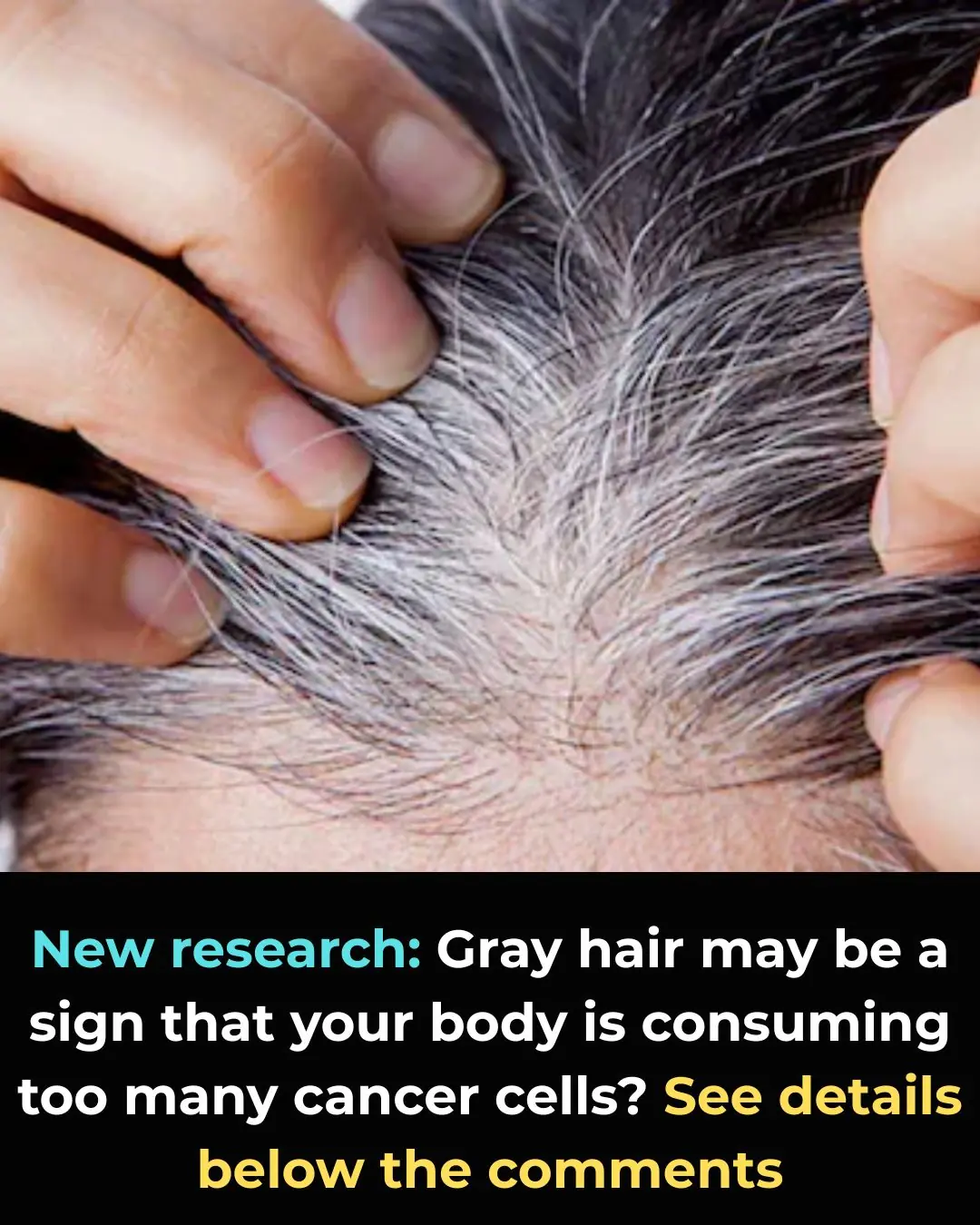
A recent study published in Nature Cell Biology suggests that gray hair may be more than just a visible sign of aging. It could also reflect the body’s natural defense mechanisms in its fight against cancer cells.
Researchers from the University of Tokyo investigated how pigment-producing cells in human hair and skin respond to damage. Their work focused on a self-protective process in which these cells undergo controlled self-destruction as a way to prevent cancer development.
The study found that under certain types of severe damage, pigment-producing cells stop dividing and instead trigger a self-destruction process. This prevents defective cells from spreading dangerous genetic mutations. However, over time, the loss of these pigment-producing cells leads to a gradual reduction in melanin, causing hair to turn gray.
Professor Emi Nishimura, who led the research, explained that these findings help clarify the biological link between hair graying and melanoma, a type of skin cancer originating from melanocytes.
In experiments conducted on mice, the research team closely observed melanocyte stem cells—the cells responsible for producing hair pigment. They discovered that gray hair can be a visible marker of an important cancer-prevention mechanism. These melanocyte cells only initiate self-destruction when their DNA is severely damaged on both strands, a level of damage considered irreparable.
In contrast, when melanocyte cells are exposed to other forms of damage, such as ultraviolet (UV) radiation or carcinogenic substances, they do not always self-destruct. Instead, they may survive and continue dividing. This allows genetic mutations to accumulate over time, increasing the potential risk of cancer development in the future.
This “dual response” of cells—self-destruction in some situations and survival in others—may help explain why both the prevalence of gray hair and the risk of skin cancer increase with age.
The researchers emphasize that a deeper understanding of this mechanism, as well as ways to regulate it, could open new possibilities for eliminating high-risk cells before they progress into cancer.