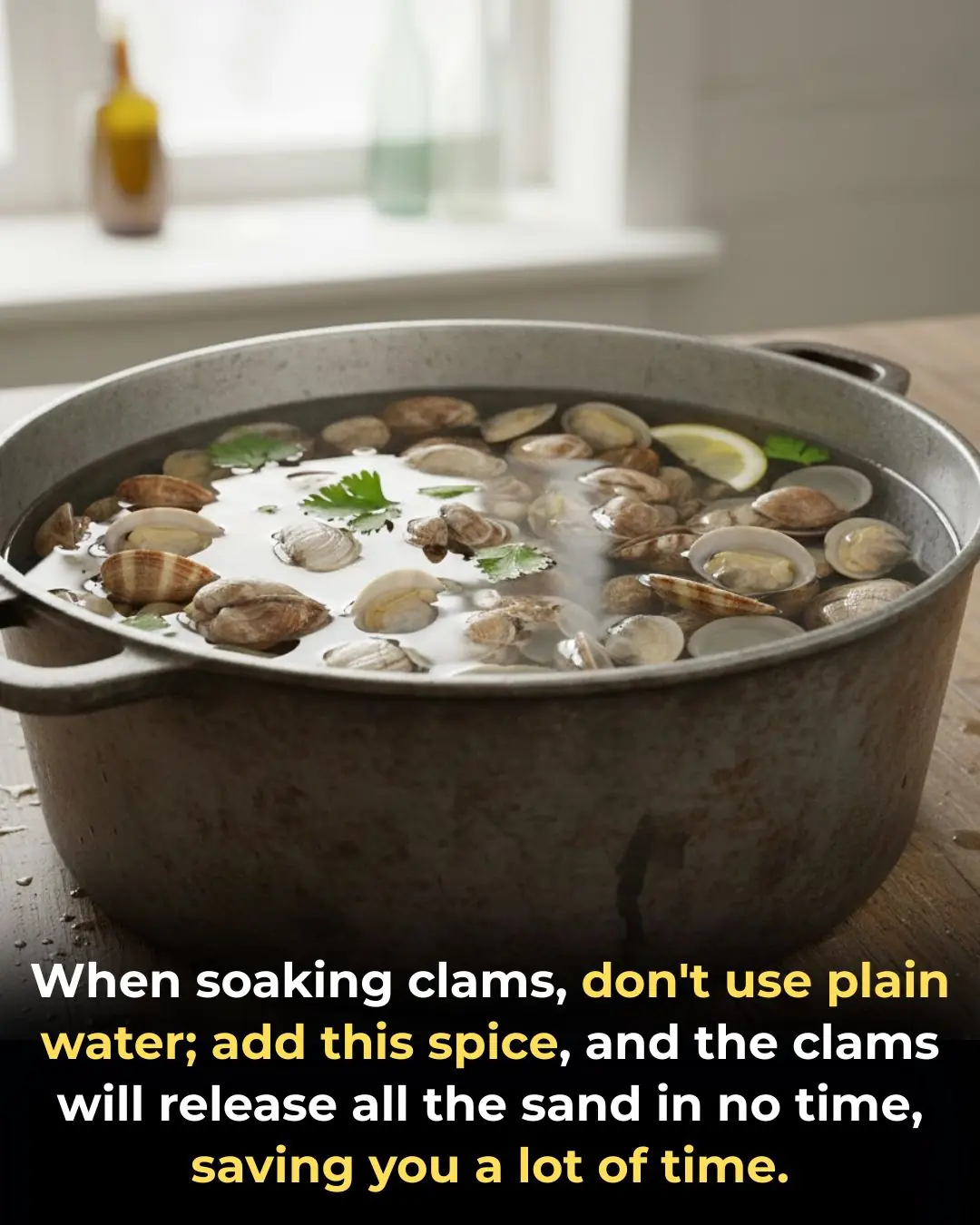
When soaking clams, don't use plain water; add this spice, and the clams will release all the sand in no time, saving you a lot of time.
Tips 24/01/2026 16:48
If you’ve ever cooked shrimp, you might have noticed a black vein in shrimp running along its back. This so-called “black vein” often causes confusion and even disgust for many home cooks. Some people wonder if it’s harmful or simply something that should be removed for better taste. In reality, the black vein is just the shrimp’s digestive tract, but it can carry grit or a bitter flavor that’s best avoided. In this article, I’ll guide you step-by-step on how to prepare shrimp properly, including how to remove that shrimp vein. I’ll also explain why you shouldn’t eat the black vein and finish up with some surprising health benefits of shrimp that might make it your new favorite seafood.
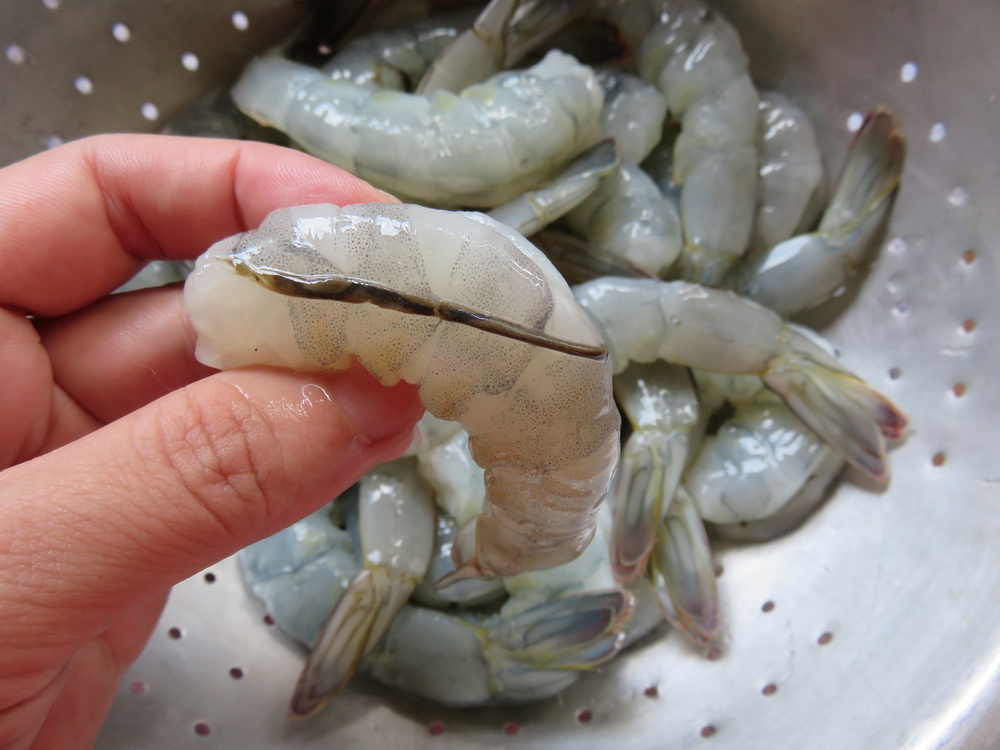
The black vein in shrimp isn’t a blood vessel like many people assume. Instead, it’s actually the shrimp’s digestive tract, often called the shrimp vein. This dark line contains the shrimp’s waste material. It runs along the back and can sometimes be seen through the translucent shell. While it doesn’t look very appetizing, it’s not toxic or harmful if accidentally eaten. However, most people prefer to remove it because it can taste bitter or gritty. Understanding this can help you feel more comfortable when cooking and eating shrimp.
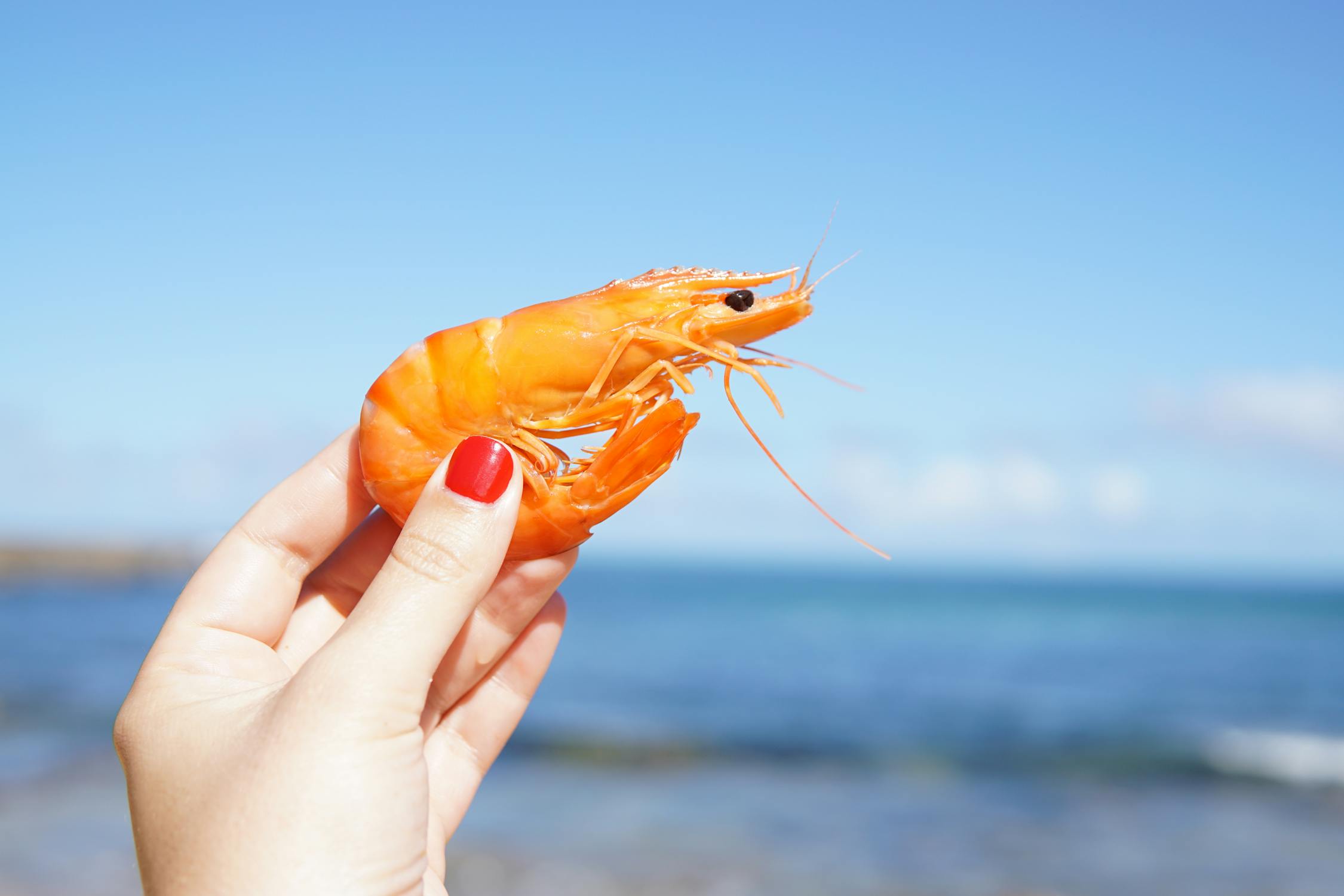
Deveining shrimp means removing that black or sometimes white line along the shrimp’s back. Even though the shrimp vein isn’t dangerous, many chefs recommend deveining to improve the shrimp’s flavor and texture. The digestive tract can hold sand or grit, which may give a gritty texture to your dish. It also makes the shrimp look cleaner and more appealing. In recipes where shrimp is served whole or in simple preparations, deveining is especially important for presentation. It’s mostly a matter of personal preference, but many agree it’s worth the extra step.
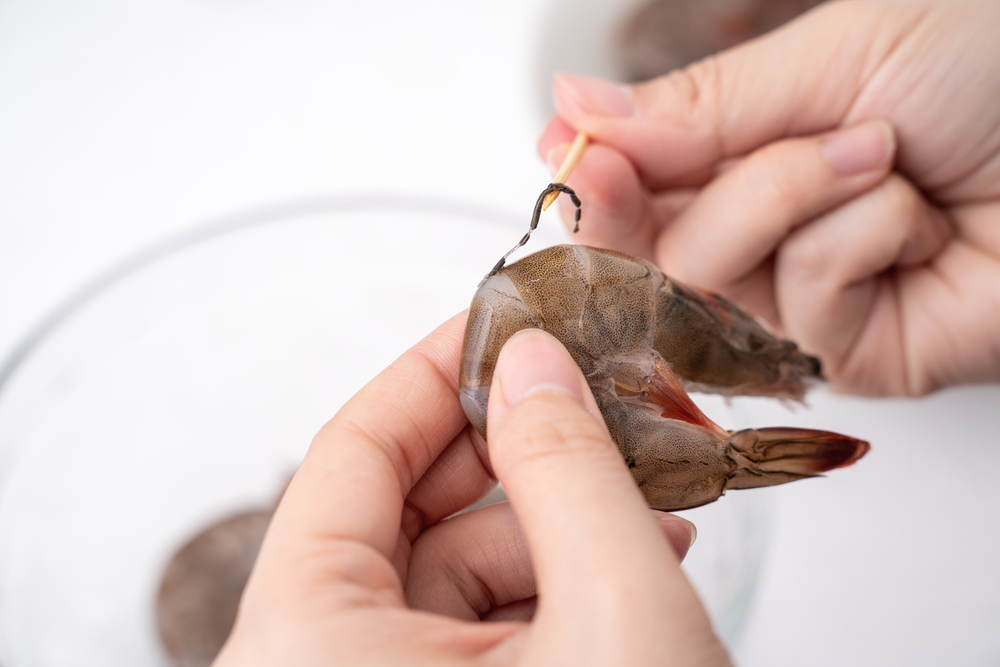
Deveining shrimp is easier than it sounds. First, rinse the shrimp under cold water to clean the surface. Then, use a small paring knife or a shrimp deveiner tool to make a shallow cut along the shrimp’s back. You’ll see the vein easily. Gently lift it out with the tip of the knife or your fingers. Some veins come out in one long piece, while others may break up. Rinse the shrimp again to remove any leftover grit. With a little practice, deveining can take less than a minute per shrimp. This simple step makes your shrimp look fresher and taste better.
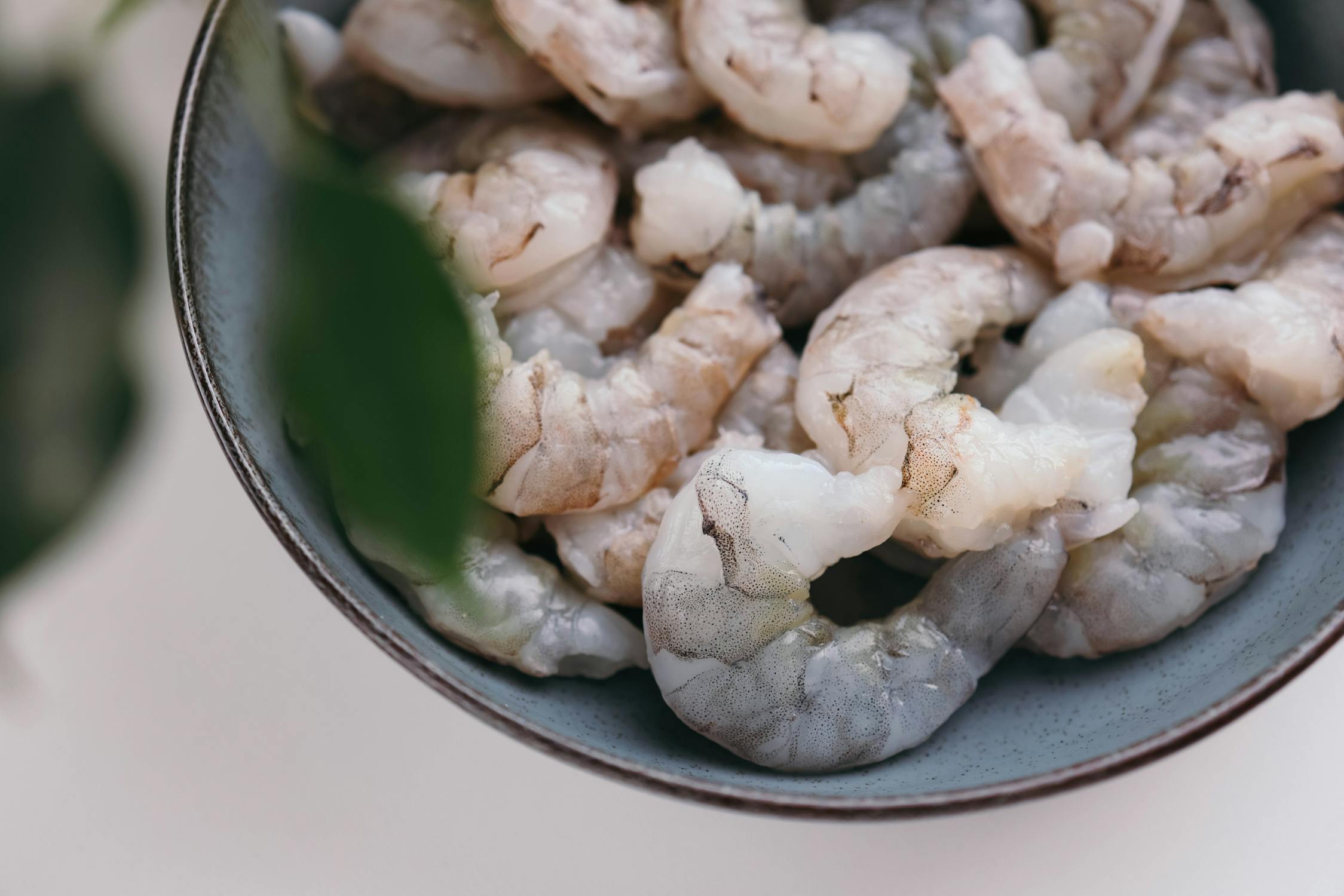
Not everyone removes the shrimp vein. Some smaller shrimp have veins so tiny they don’t bother with it. Also, farmed shrimp are often cleaner because their diet and environment are controlled. Wild-caught shrimp, however, can have more debris in the vein. If you’re cooking shrimp in a heavily spiced dish, the vein’s taste might get masked anyway. So, it’s really up to you and your preference. If you’re cooking for guests or want a cleaner presentation, removing the vein is a good idea. Otherwise, it’s safe to eat, but many find it less enjoyable.
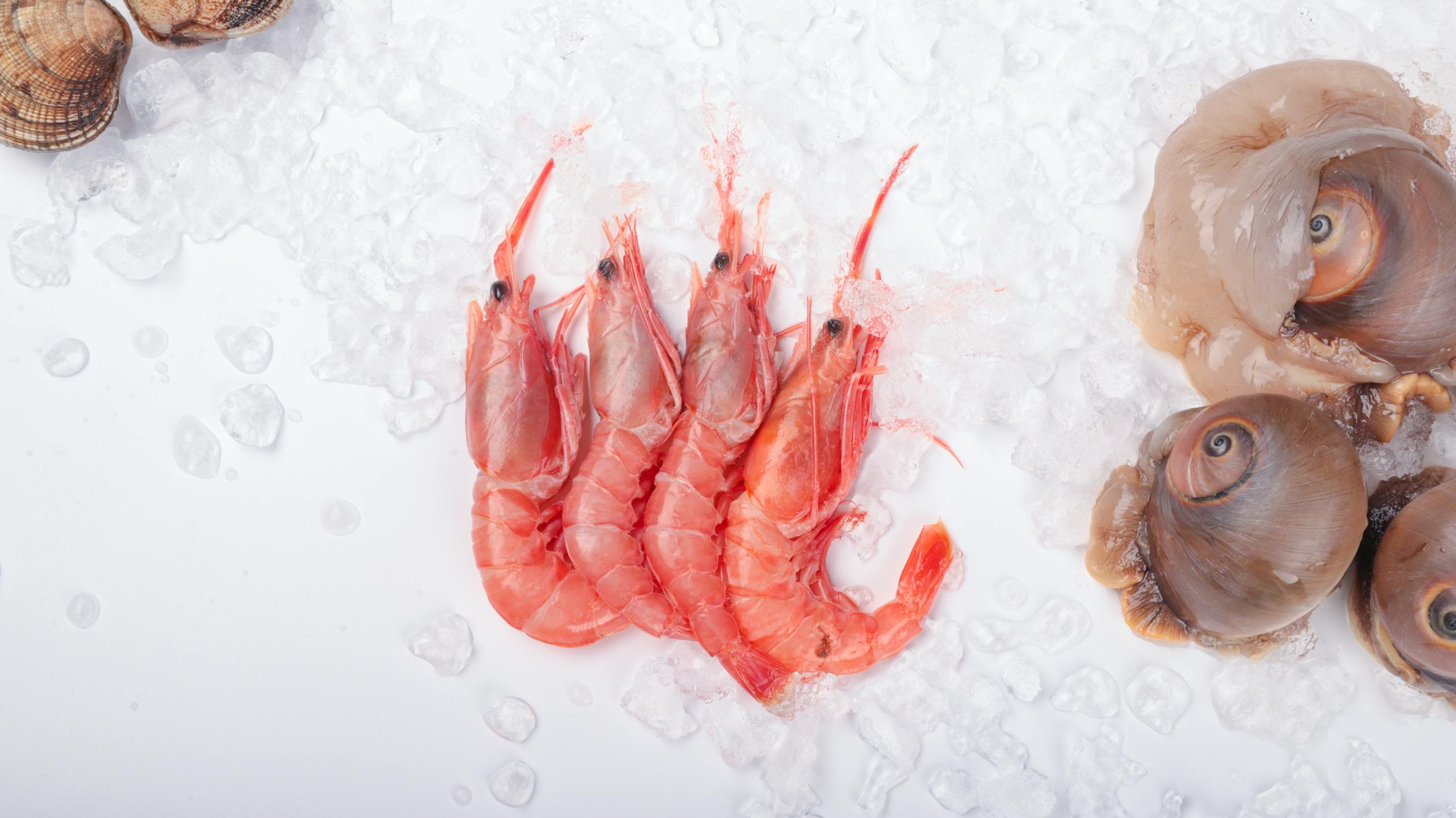
Fresh shrimp can make a big difference in taste and texture. When buying shrimp, look for firm flesh and a mild sea smell. Avoid shrimp that smells fishy or ammonia-like. If the shrimp still has the shell, check that it’s shiny and moist. For peeled shrimp, the flesh should be translucent and springy. Also, consider whether you want wild-caught or farm-raised shrimp. Each has pros and cons for taste and sustainability. Fresh shrimp often come with the vein intact, so be prepared to clean them if you want to devein. Buying from a trusted fishmonger can save you time and ensure quality.
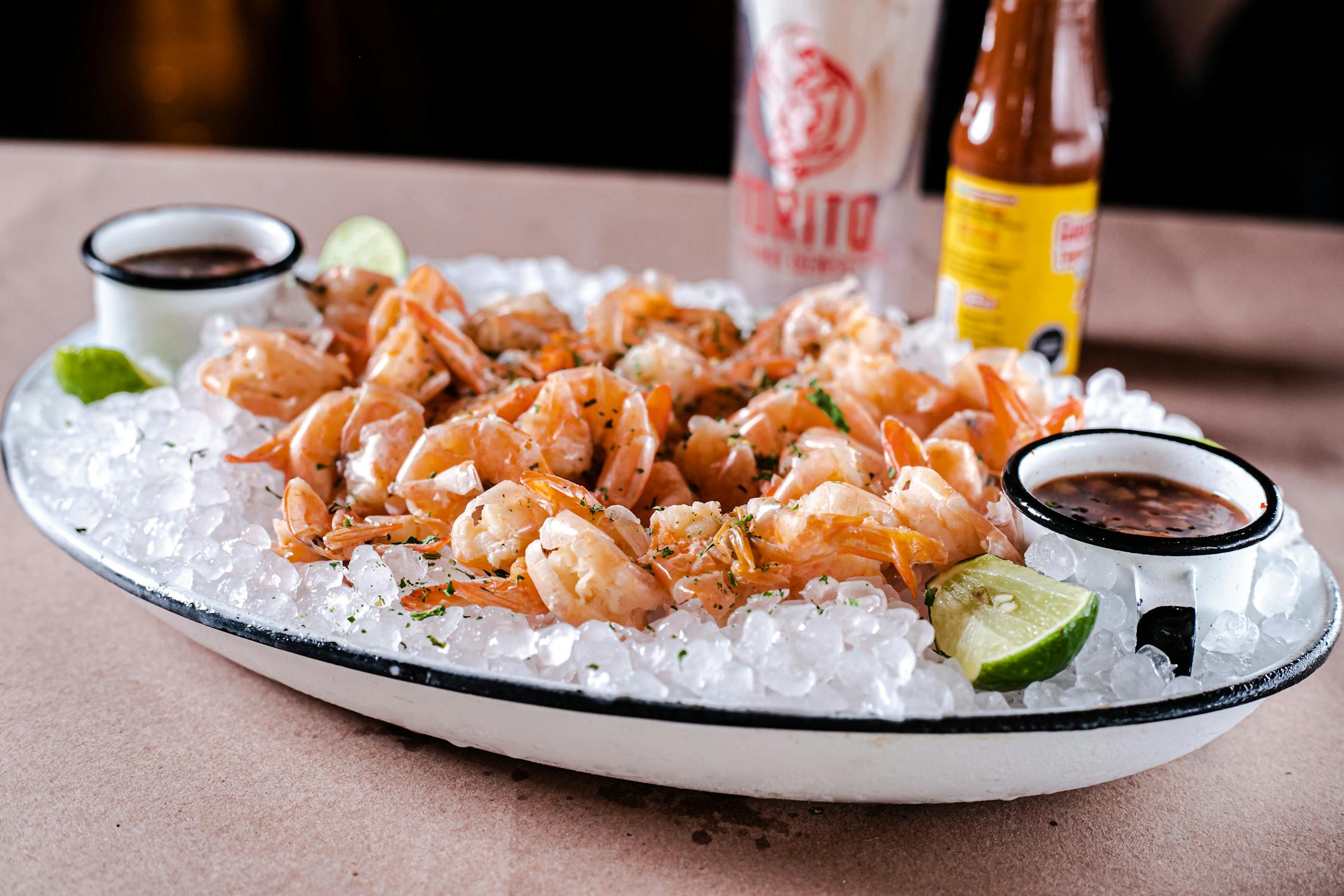
Frozen shrimp is convenient and widely available. Most frozen shrimp are pre-cooked or frozen raw with the vein still inside. Look for shrimp labeled “previously frozen” or “raw” to know what you’re getting. When thawing frozen shrimp, do it slowly in the fridge or under cold running water. Avoid thawing at room temperature to keep the shrimp safe. Some brands sell deveined frozen shrimp, which is a real time-saver. However, you might pay a bit more for that convenience. Frozen shrimp can be just as good as fresh if handled and cooked properly.

Shrimp cooks very fast, usually in just a few minutes. You can boil, grill, sauté, or bake shrimp depending on your recipe. Boiling is great for shrimp cocktails or salads. Just drop shrimp in boiling water for two to three minutes until they turn pink and curl. Grilling adds smoky flavor but keep an eye to avoid overcooking. Sautéing shrimp with garlic and butter makes a quick, tasty dish. Baking is easy too, especially for larger shrimp with herbs and lemon. No matter how you cook it, remove the shrimp vein first for the best taste and texture.

One mistake is overcooking shrimp, which makes it rubbery and tough. Shrimp only needs a few minutes of heat before it’s done. Another error is not cleaning the shrimp properly. Leaving the shrimp vein in can affect flavor and presentation. Using too much salt or spices can overwhelm the delicate shrimp taste. Also, thaw frozen shrimp incorrectly by using warm water or leaving it out too long. Finally, don’t forget to dry the shrimp before cooking; wet shrimp won’t sear well. Avoid these mistakes to enjoy shrimp at its best.
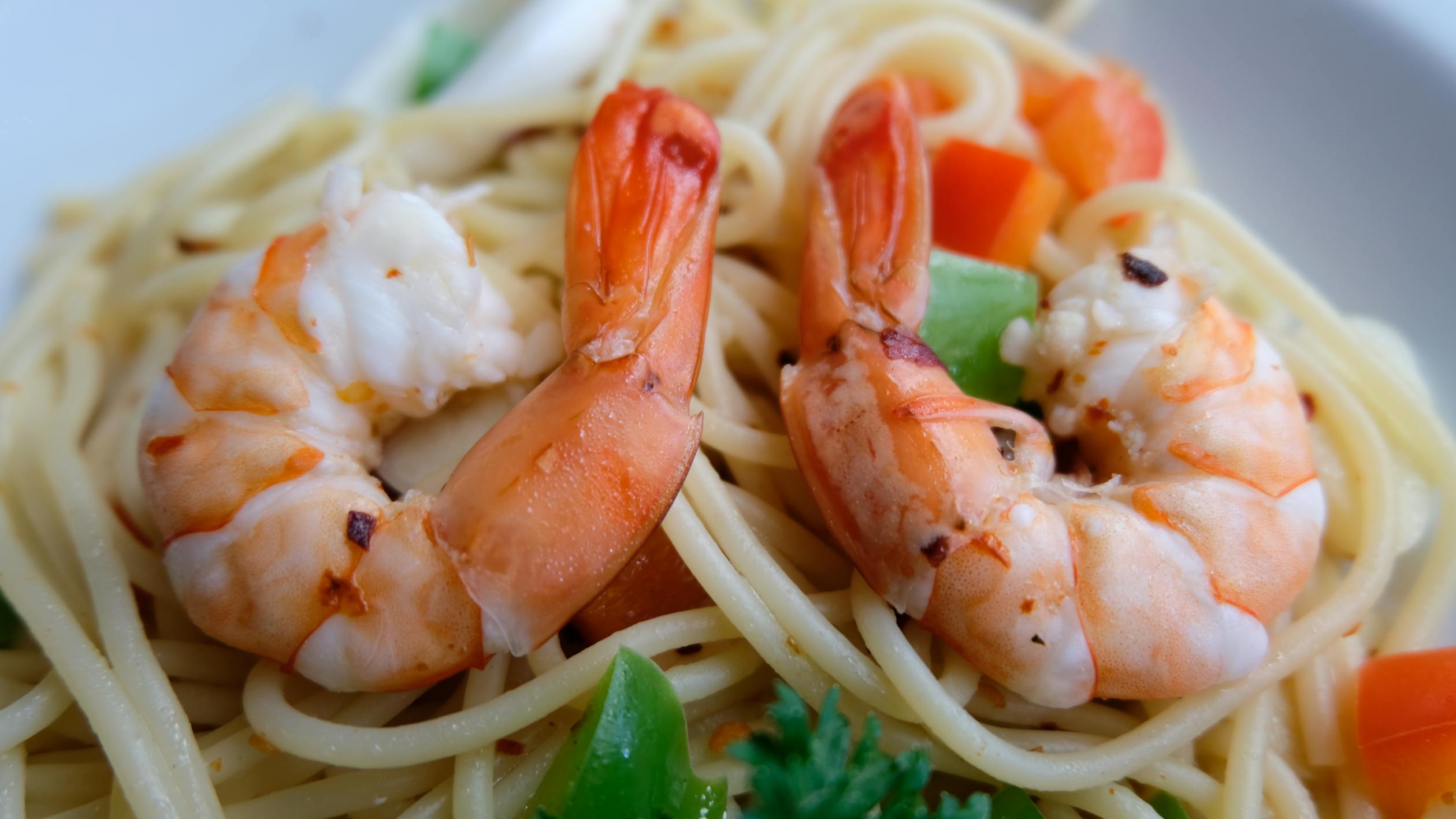
Shrimp is not only delicious but also packed with nutrients. It is low in calories but high in protein, making it great for building muscle or managing weight. Shrimp also contains important vitamins like B12 and minerals such as selenium, which support your immune system. Additionally, it has antioxidants that help reduce inflammation. Despite being a seafood, shrimp has very little fat and is mostly healthy unsaturated fats. Eating shrimp regularly can be part of a balanced diet that supports overall health.
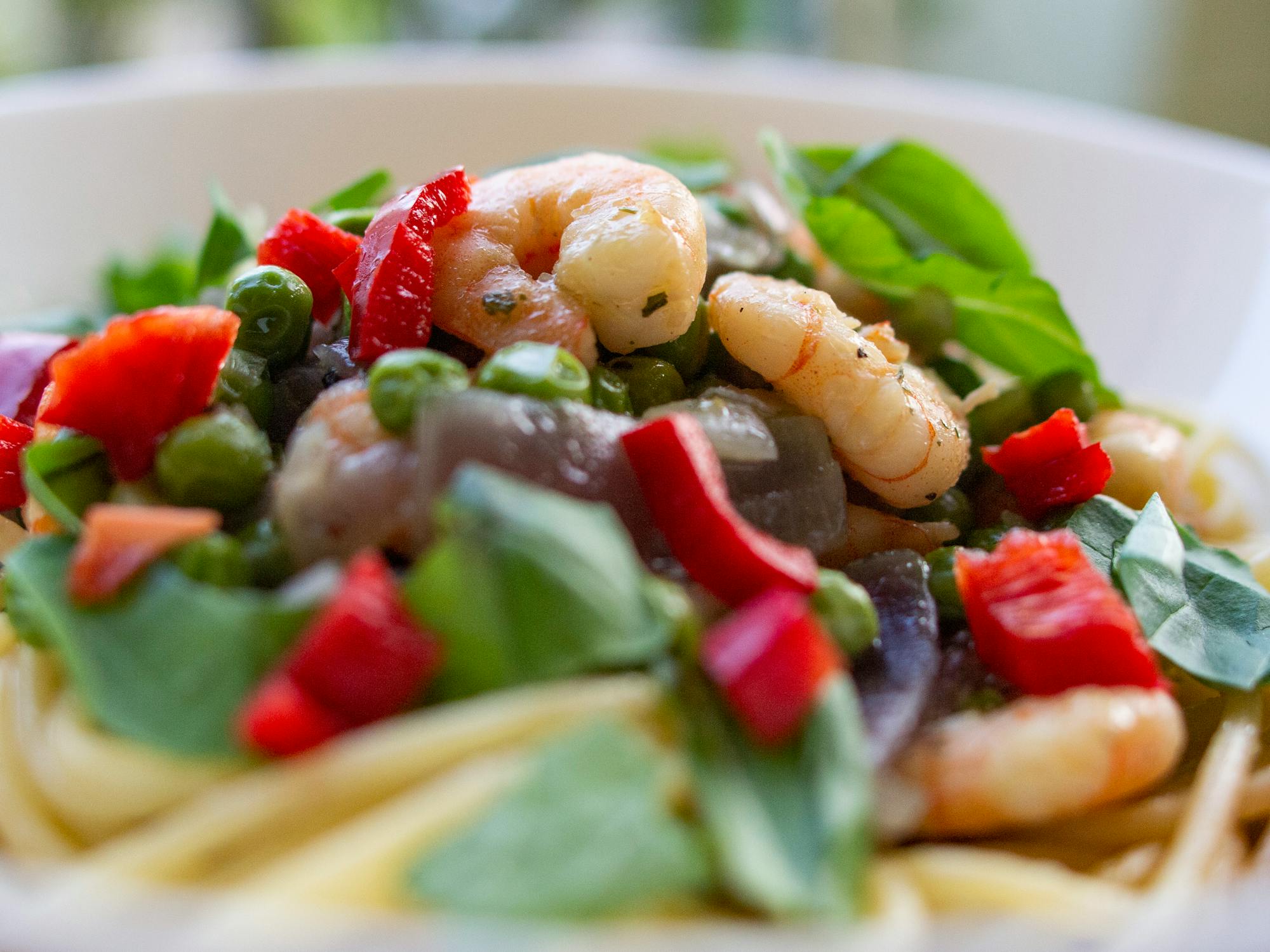
One surprising benefit of shrimp is its positive impact on heart health. Shrimp contains omega-3 fatty acids, which are known to help lower bad cholesterol and raise good cholesterol. This can reduce the risk of heart disease. The selenium in shrimp also acts as an antioxidant, protecting heart cells from damage. Studies have shown that moderate shrimp consumption is linked to improved cholesterol profiles. So, adding shrimp to your meals a couple of times a week may help keep your heart strong and healthy.

Shrimp is rich in nutrients beyond protein and omega-3s. It provides a good dose of iodine, which supports thyroid function and brain health. Many people don’t get enough iodine, so shrimp can be a tasty way to fill that gap. It also contains vitamin D, zinc, and copper, all vital for your immune defenses and metabolism. Shrimp is naturally low in carbohydrates, which makes it ideal for many diet plans. Eating shrimp gives your body a nutrient boost without adding too many calories.
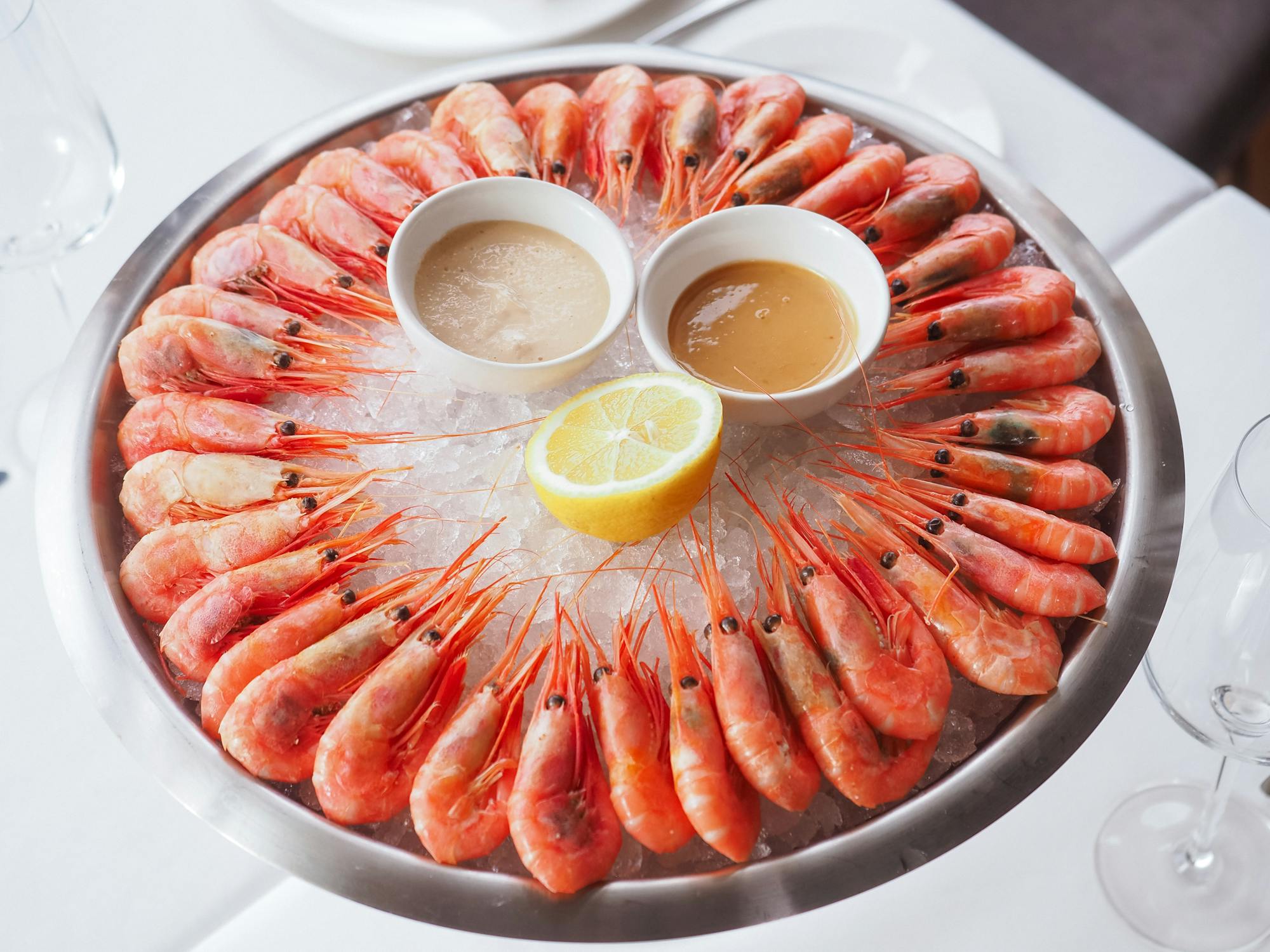
Preparing shrimp is simple once you know how to handle the black vein in shrimp properly. Removing the shrimp vein improves flavor, texture, and presentation, but it is safe to eat if left in. Buying fresh or quality frozen shrimp and avoiding common cooking mistakes helps you get the most out of this seafood. Plus, shrimp offers plenty of health benefits, from supporting heart health to providing essential nutrients. So next time you cook shrimp, take a moment to clean it well and enjoy a delicious, nutritious meal. Shrimp is a great choice for anyone looking to add healthy protein to their diet without fuss.