Saffron boosts mood and libido naturally
Health 05/12/2025 01:06
You’ve probably heard the phrase “the benefits outweigh the risks.” It’s a common reassurance used when doctors prescribe medications, especially statins — one of the most widely used drug classes in the world. Statins are trusted for their ability to lower cholesterol and reduce the risk of heart attacks and strokes.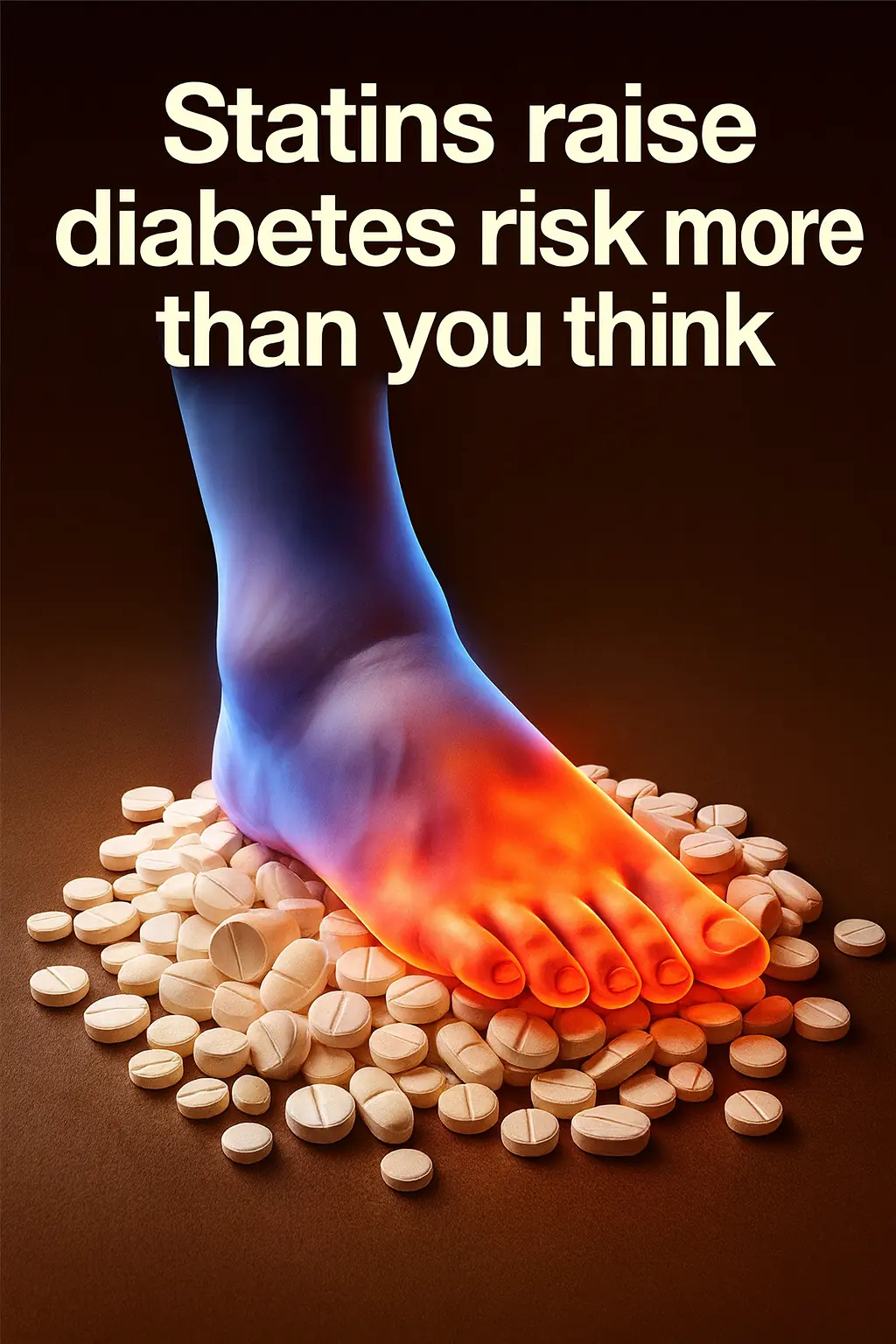
But here’s a question worth asking:
What if the risks are larger than you realize, especially when it comes to type 2 diabetes?
Emerging research shows a clearer connection between statin use and elevated blood sugar — particularly in people who already have diabetes risk factors. That doesn’t mean statins are “dangerous” or “bad,” but it does mean people deserve honest, transparent information so they can make informed decisions with their healthcare provider.
Let’s break down what science actually says.
Statins work by blocking HMG-CoA reductase, an enzyme the liver uses to produce cholesterol. Over time, treatment guidelines have expanded, meaning millions more people qualify for statin prescriptions.
But while statins undeniably reduce cardiovascular events in high-risk individuals, researchers have also noticed a consistent trend:
Statins modestly increase the risk of developing type 2 diabetes.
This doesn’t mean statins cause diabetes the way smoking causes lung cancer — but in people who are already on the edge metabolically, statins may push blood sugar higher.
One large observational study following 8,500 adults for 15 years found:
Statin users had higher fasting blood sugar
They showed reduced insulin sensitivity
They had a 38% higher relative risk of developing type 2 diabetes
The increased risk was more pronounced in:
People who were overweight
People with prediabetes
People with metabolic syndrome
Important note: Most major medical organizations (AHA, ADA, Mayo Clinic) still affirm:
➡️ For people who already have high cardiovascular risk, the heart-protective benefits of statins generally outweigh the diabetes risk.
The key word is generally — meaning not universally.
For people with type 2 diabetes:
Heart disease is the #1 cause of death
Statins are prescribed to help reduce that risk
But statins can also worsen blood sugar levels
This creates a confusing dilemma:
Are we treating one problem while nudging another in the wrong direction?
It doesn’t mean statins are “bad” — but it does mean personalized care is essential.
Scientists have identified several mechanisms:
Some statins may make muscle cells less responsive to insulin, which can raise blood sugar.
The liver may release more glucose into the bloodstream.
Some research suggests statins may affect insulin-producing pancreatic cells.
Some statin users gain a small amount of weight — an independent diabetes risk factor.
🧠 But here’s the nuance:
The overall increase in diabetes risk is real, but generally small — about 1–2 additional cases per 100 users over several years.
Common or well-documented effects:
Muscle aches or weakness (myalgia)
Mild elevations in liver enzymes
Possible memory fog (rare and reversible)
Digestive upset
Less common but medically recognized risks:
Rhabdomyolysis (very rare)
Increased blood sugar
⚠️ Claims that statins “cause cancer,” “destroy kidneys,” or “severely damage immunity” are not supported by mainstream evidence and should be avoided.
Statins do reduce the body’s natural production of CoQ10, which helps energy production in muscle cells.
Some patients report:
Fatigue
Muscle discomfort
Supplementation may help some people, but large clinical trials are mixed.
Many cardiologists now emphasize ratios and particle size, not just total cholesterol.
Important measures:
Higher is generally better.
Lower suggests better metabolic health.
Small, dense particles are more strongly linked to risk than LDL quantity alone.
This shift reinforces why personalized risk assessment matters.
Whether or not you take statins, these strategies improve heart and metabolic health:
Helps reduce inflammation and stabilize blood sugar.
Even brisk walking improves insulin sensitivity.
Chronic stress elevates both cholesterol and blood glucose.
Even a 5–7% weight loss dramatically reduces diabetes risk.
There is no one-size-fits-all answer.
Statins save lives in people at high cardiovascular risk.
But for people at low risk, the side effects — including increased diabetes risk — may outweigh the benefits.
The best approach?
Evaluate your true cardiovascular risk
Consider your metabolic health
Review alternatives and lifestyle strategies
Monitor blood sugar if you start therapy
Informed patients make better long-term decisions.
Statins are neither miracle drugs nor villains.
They are powerful tools with real benefits and real risks.
Understanding the link between statins and type 2 diabetes allows you to:
Ask better questions
Monitor your health proactively
Take steps to reduce risk
Choose the approach that aligns with your goals
Your health decisions should be guided by evidence, individual context, and open dialogue—not fear, pressure, or outdated assumptions.