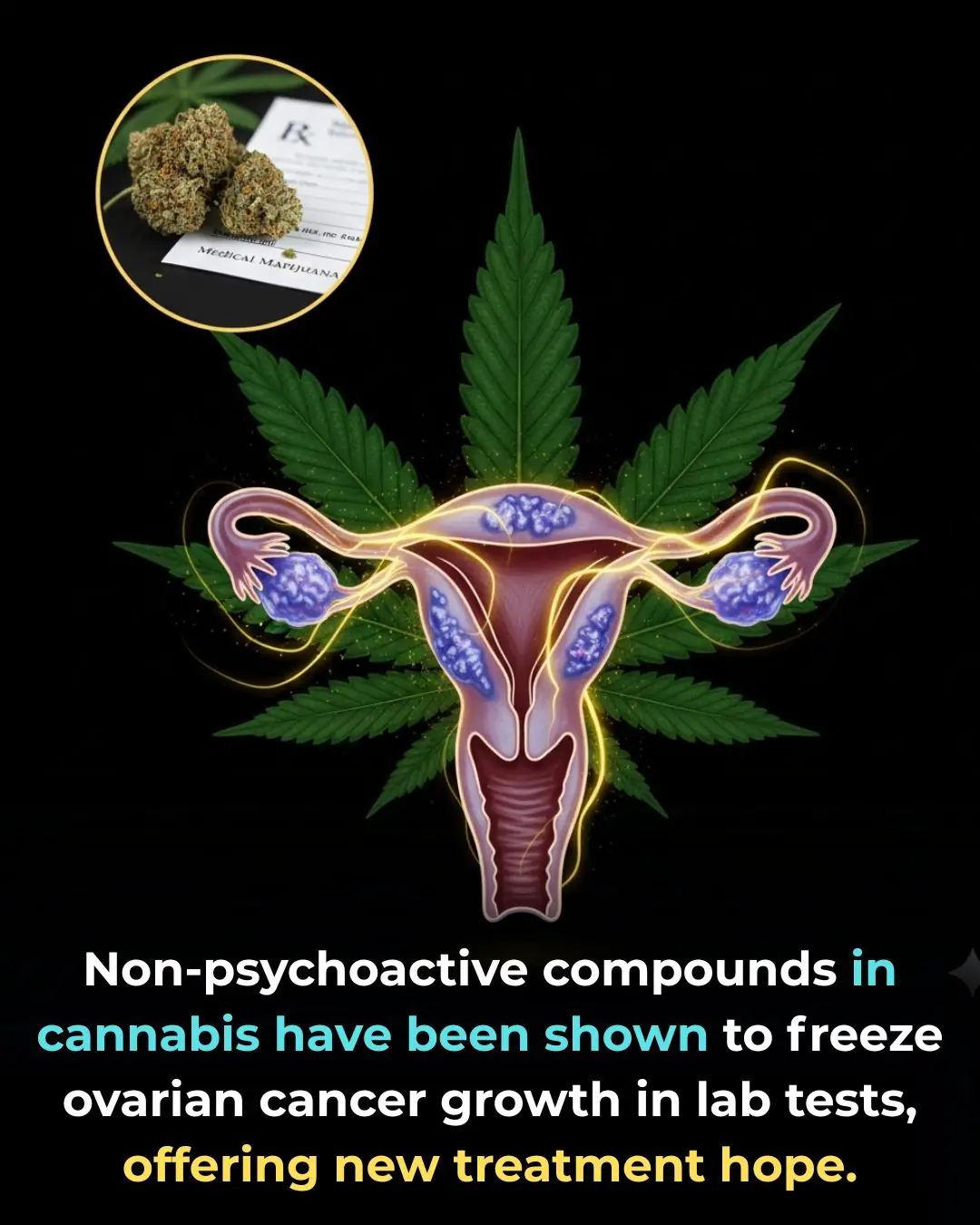
Cannabis Compounds and Ovarian Cancer: Expanded Overview
Health 22/01/2026 22:03
Triple-negative breast cancer (TNBC) is one of the most aggressive forms of breast cancer, characterized by the absence of estrogen receptors, progesterone receptors, and HER2 protein. Because of this, TNBC does not respond to hormonal therapies or HER2-targeted treatments, leaving chemotherapy as the primary option. Unfortunately, TNBC often develops resistance to conventional therapies, underscoring the urgent need for new treatment strategies.
A study published in The Journal of Steroid Biochemistry and Molecular Biology in July 2023 investigated how vitamin K2 and active vitamin D (calcitriol) influence TNBC cells in laboratory conditions. Researchers found that each compound had distinct anti-cancer effects:
Vitamin K2 alone reduced cancer cell viability, meaning it directly impaired the ability of TNBC cells to survive and proliferate.
Active vitamin D induced cell-cycle arrest and promoted differentiation, essentially slowing down cell division and pushing cancer cells toward a less aggressive state.
Combined treatment produced even stronger tumor-suppressive effects, including inhibited growth, altered cancer stem cell structures, and increased signals for cell-cycle arrest.
One of the most intriguing findings was that vitamin K2 enhanced the expression of the vitamin D receptor (VDR). This receptor is critical for vitamin D’s biological activity. By increasing VDR levels, vitamin K2 amplified the impact of vitamin D, explaining the observed synergistic effect. This discovery suggests that the two vitamins may work best in tandem, offering a potential new therapeutic avenue for TNBC.
The idea of using vitamins as adjunct cancer therapies is gaining traction. Previous studies have shown:
Vitamin D has been linked to improved outcomes in breast cancer patients, with evidence suggesting it can regulate cell growth and immune responses (National Cancer Institute, 2022).
Vitamin K2 has been studied for its role in apoptosis (programmed cell death) and inhibition of cancer cell proliferation (Frontiers in Oncology, 2021).
The combination of vitamins and other natural compounds is increasingly being explored as a way to enhance the effectiveness of existing treatments while minimizing side effects.
If validated in clinical trials, the combination of vitamin K2 and vitamin D could represent a low-cost, accessible, and relatively safe adjunct therapy for TNBC patients. This approach could:
Reduce reliance on toxic chemotherapies.
Offer new hope for patients with drug-resistant tumors.
Expand the role of nutritional and plant-derived compounds in oncology.
It is important to emphasize that these findings are preclinical—they were observed in laboratory cell cultures, not in human patients. Clinical trials are essential to determine:
Whether the same effects occur in living organisms.
The optimal dosage and delivery methods.
Potential side effects or interactions with standard treatments.
The July 2023 study highlights the promising role of vitamin K2 and vitamin D in suppressing TNBC cell growth. By working together, these compounds produced additive and synergistic effects, pointing to a novel therapeutic strategy for one of the most difficult-to-treat cancers. While further research is needed, the findings contribute to a growing body of evidence that natural molecules may hold untapped potential in cancer therapy.
Bottom Fact: Vitamin K2 and vitamin D together produced additive or synergistic suppression of TNBC cells in laboratory tests.
Sources:
The Journal of Steroid Biochemistry and Molecular Biology, July 2023.
National Cancer Institute – Vitamin D and Cancer Research (2022).
Frontiers in Oncology – Vitamin K2 and Cancer Cell Regulation (2021).
World Health Organization – Breast Cancer Fact Sheet (2023).
Disclaimer: Results are from laboratory studies; clinical trials are required to confirm effects in humans.