3 types of fruits that are cheap in Vietnamese markets but are considered "pure gold" to protect health
Tips 05/01/2026 09:17
Many people have experienced disappointment when leftover boiled chicken from the day before becomes far less appealing the next day—even after reheating. The reason lies in the nature of boiled chicken itself: it is already fully cooked and contains very little free moisture inside the meat.
When reheated, steam continues to escape, and the protein fibers tighten further, causing the meat to become dry and crumbly. The skin and fatty layers—where most of the fat is concentrated—are especially sensitive to high, intense heat. When exposed too quickly, the fat can oxidize, producing a slightly unpleasant or “gamey” odor. Reheating chicken multiple times, or using very high heat to warm it quickly, only accelerates this loss of flavor and texture.
For this reason, the most important principle when reheating boiled chicken is simple: heat it slowly, use moisture, and avoid direct exposure to dry heat.
Steaming allows boiled chicken to reheat evenly while preserving moisture and its natural sweetness.
Steaming is widely considered the best and most reliable way to reheat boiled chicken. Hot steam distributes heat evenly, warming the meat from the inside out without damaging the protein structure. This helps the chicken retain its natural moisture, while the skin remains smooth and does not darken or wrinkle.
When steaming, it’s best to keep the chicken whole or in large pieces rather than chopping it into small portions. The less surface area exposed to heat, the less moisture the meat will lose. Adding a few crushed slices of ginger or kaffir lime leaves to the steaming water not only helps eliminate unwanted odors but also revives the familiar aroma of freshly boiled chicken. The ideal steaming time is usually around 10–15 minutes, depending on the quantity of chicken.
Microwaves are convenient, but they are also one of the main reasons reheated chicken turns tough if used incorrectly. Microwave energy heats food very rapidly, causing moisture inside the meat to evaporate aggressively if not controlled.
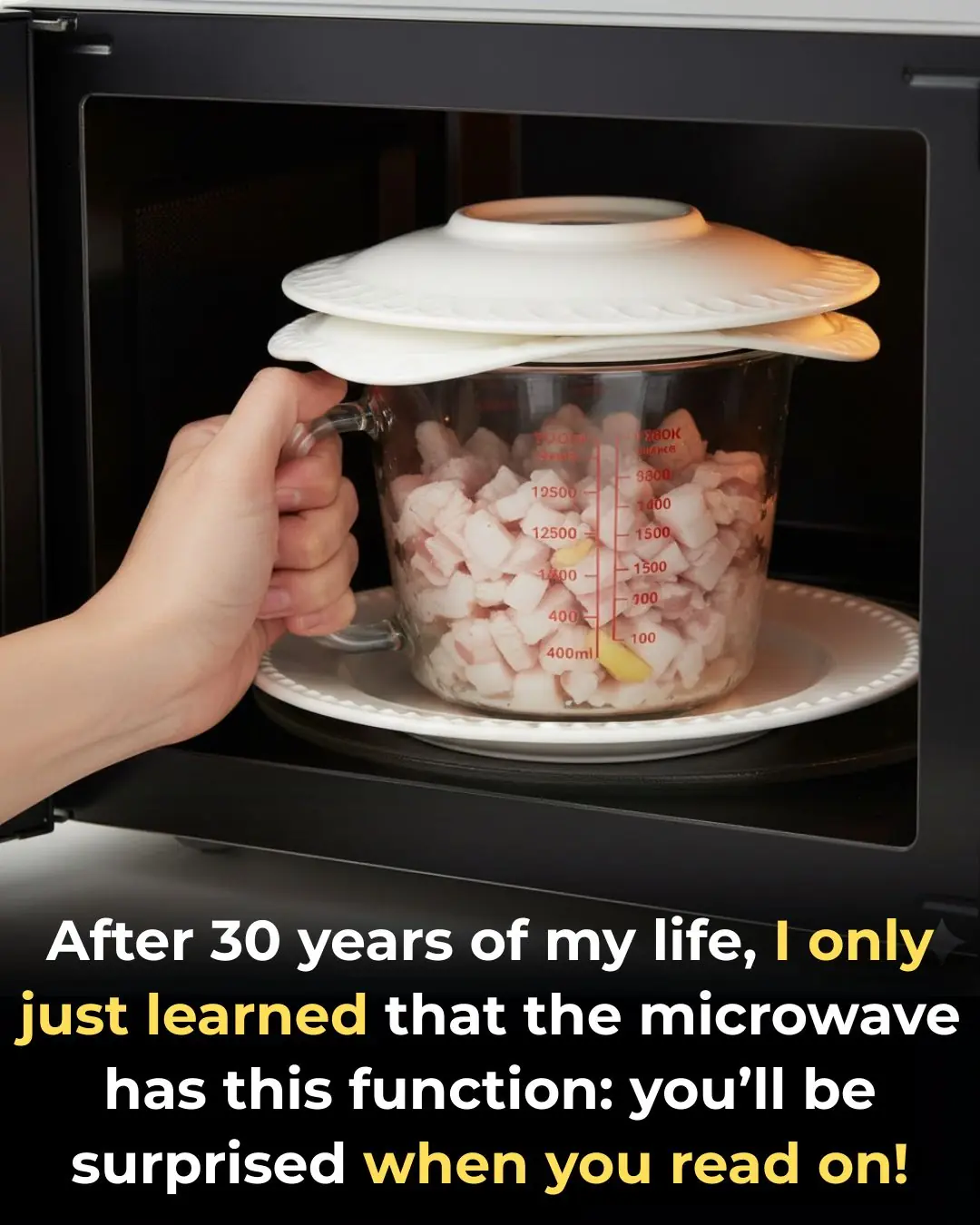
To prevent this, lightly drizzle some leftover chicken broth or spray a bit of clean water over the chicken before reheating. Cover it with a microwave-safe lid or wrap to trap steam. Instead of reheating in one long cycle, use several short intervals—about 1–2 minutes at medium power—and turn the chicken between cycles. This method helps the meat warm evenly without experiencing “thermal shock.”
In many households, the rice cooker is always available and can be surprisingly effective for reheating boiled chicken. Simply pour a small amount of water into the bottom of the cooker, place an inverted bowl or steaming rack inside so the chicken doesn’t touch the water, then turn on the cooking mode.
The steam generated inside the cooker reheats the chicken gently, similar to traditional steaming. Once the chicken reaches the desired temperature, switch to the “keep warm” mode to avoid overheating. This method is especially useful when reheating a moderate amount of chicken without a dedicated steamer.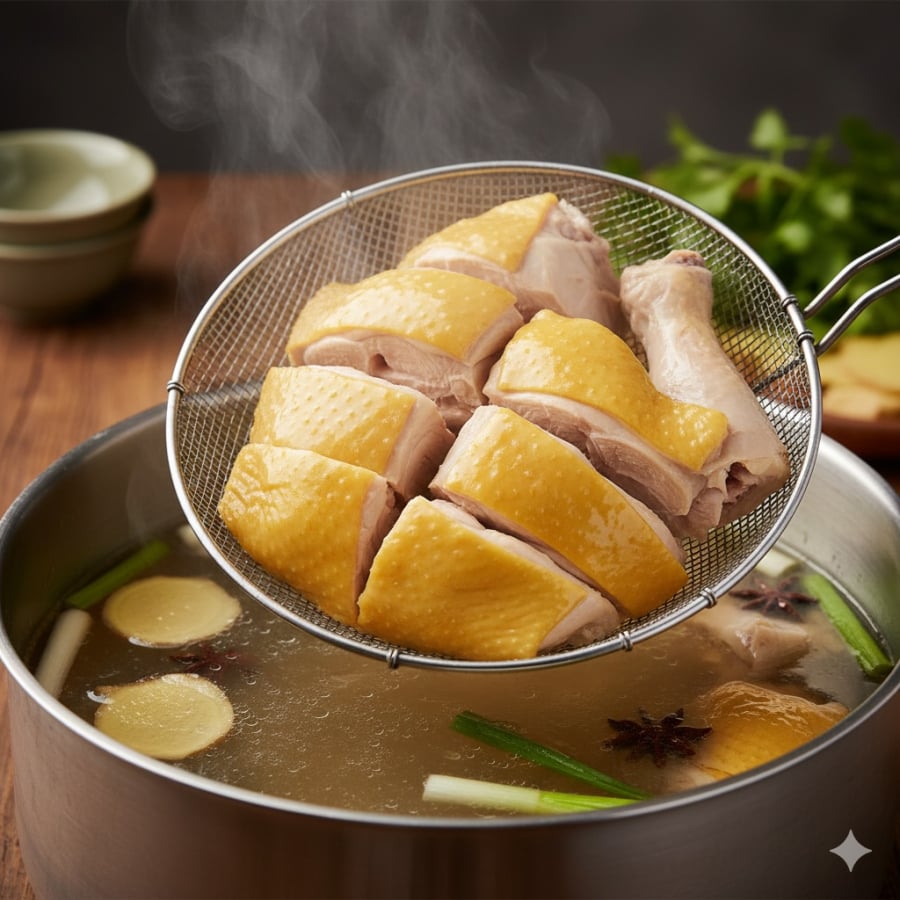
For chicken that has already been cut into pieces, quick blanching is extremely effective. Use leftover chicken broth or clean water with a few slices of ginger, heated until very hot but not vigorously boiling. Submerge the chicken for 30–60 seconds, then remove it immediately.
The hot liquid replenishes moisture in the meat, allowing the fibers to soften before they have time to tighten. This is a fast reheating method, ideal when you need the chicken ready immediately or plan to use it in another dish.
Quickly blanching chicken in hot liquid is an efficient way to reheat it without drying it out.
If you want to avoid reheating chicken multiple times, transforming leftovers into new dishes is a smart alternative. Shredded chicken tossed into a fresh salad with onions, herbs, kaffir lime leaves, and a sweet-and-sour fish sauce dressing becomes tender again thanks to moisture from the vegetables and dressing. Chicken vermicelli soup or chicken noodle soup is another excellent option—the boiling broth naturally reheats the meat while enhancing flavor.
For meatier portions, chicken rice cooked with chicken broth is well worth trying. The rice absorbs rich flavor, while shredded chicken mixed with salt, pepper, and lime juice, served with herbs and pickled vegetables, creates a dish far more appealing than simply reheating chicken on its own.
Reheating boiled chicken isn’t difficult—the key is choosing the right method and controlling the heat carefully. Whether steaming, microwaving properly, using a rice cooker, or quick blanching, the common goal is always the same: retain moisture so the meat stays tender and free of unpleasant odors.
With a little attention and the right technique, even day-old boiled chicken can remain soft, flavorful, and delicious—more than capable of earning its place on the family dining table once again.