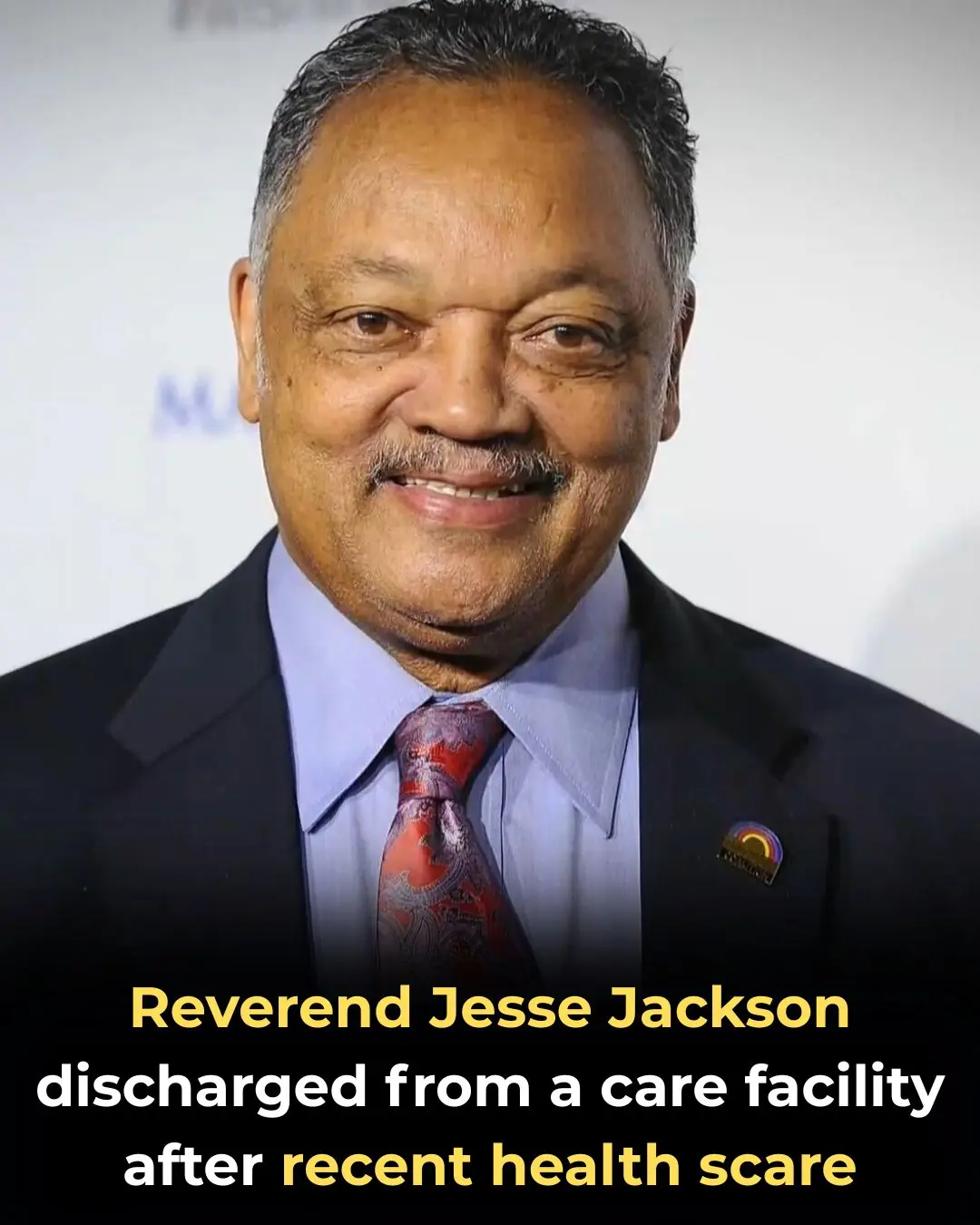
Rev. Jesse Jackson discharged from acute care facility, family says
News 04/01/2026 21:44
A self-proclaimed prophet in Ghana has recently drawn widespread attention and controversy after postponing his dramatic prediction of the end of the world and facing accusations of misusing donations from his followers. The case has sparked debate across social media and raised broader concerns about religious exploitation and financial transparency.
According to Wion News, the man, known as Ebo Noah, had warned his followers that humanity would be wiped out by a catastrophic global flood on Christmas Day 2025. Presenting himself as a modern-day prophet, Noah claimed to have received divine revelations foretelling the disaster. He urged believers to donate money to help him construct “modern-day arks,” which he said would provide salvation for those who supported his mission.
The prophecy generated significant fear and urgency among his followers, many of whom reportedly contributed large sums of money in hopes of surviving the predicted apocalypse. Noah portrayed the ark-building project as a spiritual and humanitarian effort, framing donations as an act of faith and obedience to God.
However, when Christmas Day passed without any sign of the foretold disaster, questions quickly arose. In response, Noah announced that the end of the world had been postponed. According to Firstpost Africa, he claimed that divine mercy had intervened, with God granting humanity additional time. He stated that the delay was intended to allow him to expand the ark project further and prepare more thoroughly for the eventual catastrophe.
Noah also asserted that the project was already well underway, claiming that approximately ten arks had been completed. Despite these assurances, skepticism grew as followers and observers began demanding evidence of progress and financial accountability.
Shortly afterward, reports emerged alleging that a significant portion of the donated funds had been misused. Investigations suggested that instead of being spent on ark construction, some of the money had been diverted to purchase a Mercedes-Benz valued at approximately £74,000. The revelation fueled public outrage and intensified scrutiny of Noah’s activities.
According to coverage by BBC Africa and Al Jazeera, the incident has reignited discussions in Ghana about the regulation of religious organizations and self-proclaimed prophets. The country has a strong religious culture, but authorities and civil society groups have increasingly warned about individuals exploiting faith for personal gain.
Legal experts cited by Reuters note that while religious freedom is protected, financial misconduct and fraud remain prosecutable offenses. As of now, calls for a formal investigation continue to grow, with many urging greater oversight to protect vulnerable believers from manipulation.
The controversy surrounding Ebo Noah serves as a cautionary tale about blind faith, unverified prophecies, and the importance of transparency. It also highlights the need for stronger safeguards to ensure that religious donations are used ethically and responsibly, especially when fear and end-of-the-world narratives are involved.