Rev. Jesse Jackson discharged from acute care facility, family says
News 04/01/2026 21:44
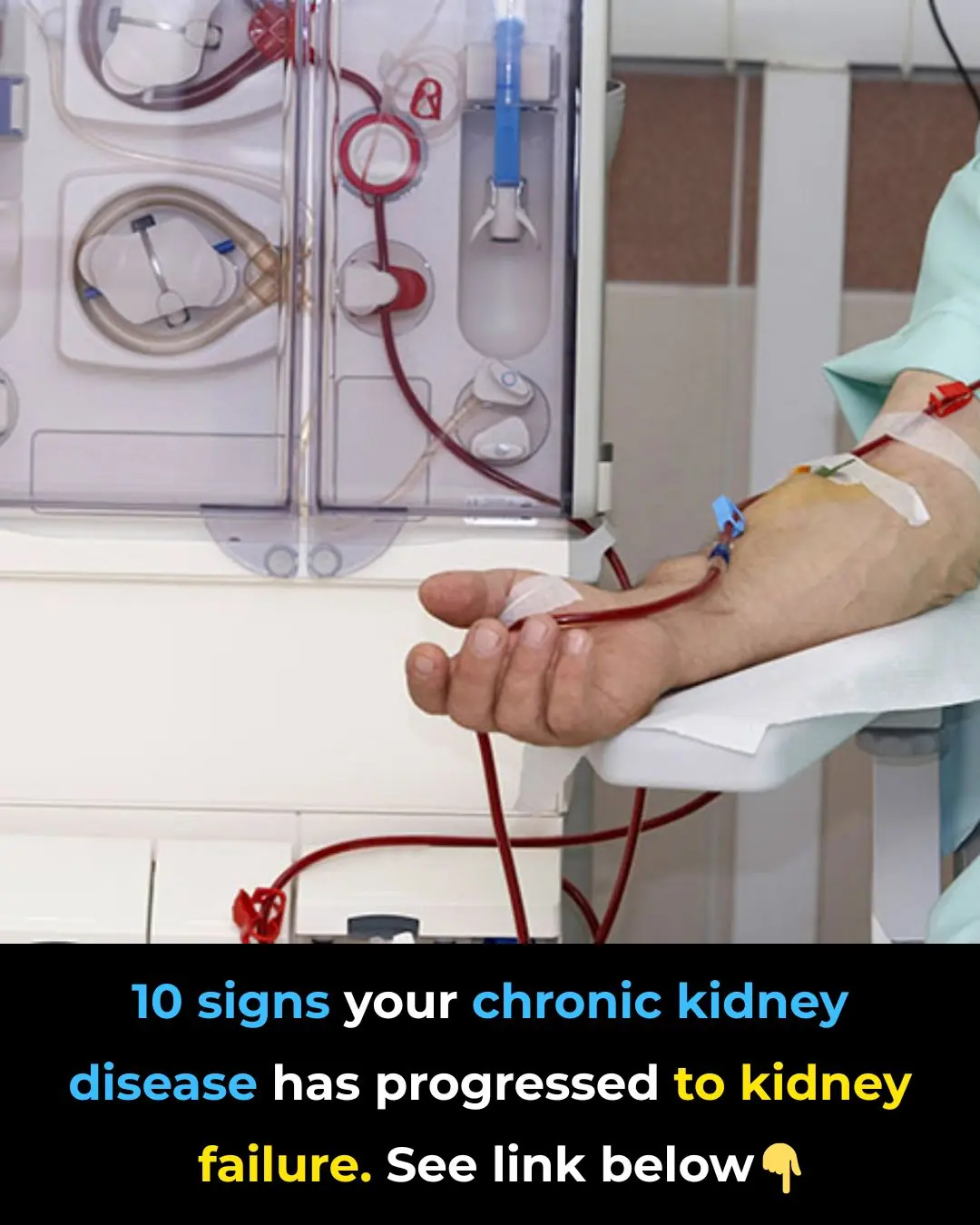
Kidney cancer is often described by medical professionals as a “silent disease,” as many patients experience few or no noticeable symptoms in its early stages. This lack of warning signs means the condition is frequently discovered by chance during scans or tests performed for unrelated health issues. As awareness grows, experts continue to emphasize the importance of understanding the major risk factors associated with kidney cancer in order to improve early detection and prevention.
According to health specialists, there are three primary risk factors—often referred to as the “big three”—that significantly increase a person’s likelihood of developing kidney cancer. The first and most well-established risk factor is smoking. Research consistently shows that tobacco use damages blood vessels and kidney tissue, increasing the risk of renal cell carcinoma, the most common type of kidney cancer. Even former smokers remain at higher risk compared to those who have never smoked, although quitting does reduce the danger over time.
The second major risk factor is obesity. Excess body weight has been linked to hormonal changes, chronic inflammation, and metabolic disruptions that can contribute to cancer development. Studies suggest that obesity not only raises the risk of kidney cancer but may also influence disease progression and outcomes. With global obesity rates continuing to rise, medical experts warn that kidney cancer cases may increase accordingly.
High blood pressure, or hypertension, is the third key risk factor. While the exact mechanism is still under investigation, long-term hypertension is believed to damage kidney function and blood vessels, creating an environment that may promote cancer growth. Some research also indicates that certain medications used to treat high blood pressure could play a role, although experts stress that controlling hypertension remains far more beneficial than leaving it untreated.
One of the greatest challenges with kidney cancer is that symptoms—such as back pain, blood in the urine, fatigue, or unexplained weight loss—often appear only in later stages. As a result, doctors encourage individuals with one or more risk factors to attend regular medical check-ups and discuss appropriate screening options with healthcare providers.
Early detection significantly improves treatment success and survival rates. Advances in imaging technology and increased public awareness are helping identify cases sooner, but prevention remains a critical focus. Lifestyle changes such as quitting smoking, maintaining a healthy weight, and managing blood pressure can substantially reduce risk.
Ultimately, understanding the “big three” risk factors empowers individuals to take proactive steps toward protecting their kidney health. While kidney cancer may be silent, informed awareness can make a life-saving difference.