1. Be There
Being there sounds simple, but real presence has become increasingly rare.
A parent can be in the same room as a child without truly being available. The television may be on, the phone may be in hand, work may still be occupying the mind, and the endless list of unfinished tasks may be running silently in the background.
Children notice the difference between physical presence and emotional presence.
They know when an adult’s body is nearby but their attention is somewhere else. They recognize the automatic answers, the distracted nods, and the eyes that never leave a screen. They may not have the language to say, “I feel invisible beside you,” so they repeat questions, make more noise, interrupt, cling, or behave in ways that finally force the adult to look up.
Being there does not mean giving a child uninterrupted attention every minute. Children need to learn that adults have responsibilities, limits, and needs of their own. A parent must work, cook, clean, rest, talk with other adults, and sometimes say, “I cannot play right now.”
But children need dependable moments when they do not have to compete for the parent’s attention.
Being there may mean sitting on the edge of the bed at night and listening to a story that takes too long to tell. It may mean looking into a child’s eyes when they are explaining something important to them. It may mean attending the school event when possible, putting the phone away during dinner, or staying nearby when a child does not want to talk but clearly does not want to be alone.
Sometimes children do not need advice. They need companionship.
They need to know someone is willing to sit beside the sadness without immediately trying to repair it. They need an adult who can remain in the room when their feelings are inconvenient, confusing, or larger than the problem seems to deserve.
Grandmothers know that presence becomes more precious with time. We remember when our own children constantly asked for us. We also know what it feels like when they no longer do.
One day, a child stops asking a parent to watch every jump, drawing, dance, or new skill. One day, they begin solving more problems on their own. That independence is healthy, but it reveals how brief the season of constant invitation really was.
“Watch me” was never only about the cartwheel or the picture.
It meant, “See me. Notice what brings me joy. Let my existence interrupt your world for a moment.”
To really love a child, be there often enough that they do not have to wonder whether they matter.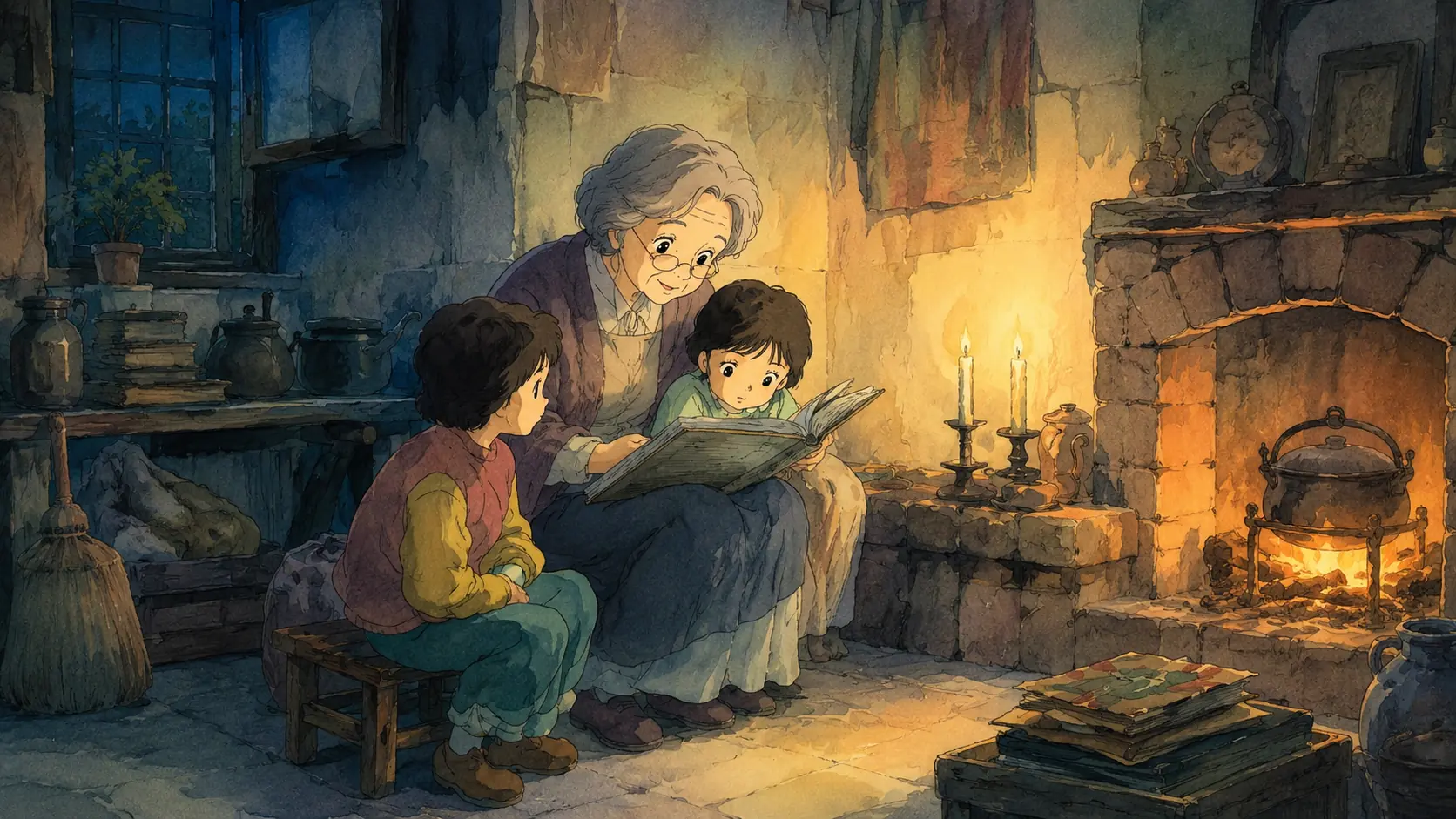
2. Say Yes as Often as You Can
Children hear “no” many times every day, and often for good reason.
No, you cannot run into the road. No, you cannot eat candy for breakfast. No, you cannot hit your brother. No, you cannot stay awake all night. No, you cannot buy everything you see.
Boundaries protect children. A loving parent must be willing to say no even when the child cries, complains, or becomes angry. Children feel safer when adults are strong enough to set reasonable limits.
But sometimes adults say no automatically, not because something is unsafe, unhealthy, unaffordable, or inappropriate, but because yes would be inconvenient.
Can we eat lunch outside?
Can I wear my rain boots even though it is not raining?
Can we build a blanket fort?
Can I help you stir the batter?
Can we take the long way home?
Can I put the stuffed animals at the dinner table?
A tired adult may hear one more mess, one more delay, and one more task to manage. A child hears the possibility of joy.
Saying yes as often as possible does not mean giving children everything they want. It means pausing long enough to ask whether the no is necessary.
Sometimes a parent can say, “Yes, after homework.” Sometimes the answer can be, “Yes, but only for ten minutes.” Sometimes it can be, “Yes, if you help clean up afterward.” These are still boundaries, but they make room for childhood.
A healthy yes teaches children that family life is not made only of rules and efficiency. It can also contain flexibility, creativity, and shared delight.
Grandmothers often become more generous with yes because we have seen how little some inconveniences matter in the long run. A wet floor can be wiped. A blanket fort can be taken down. Dinner can occasionally be served in the living room. Pajamas can be worn longer than usual on a quiet Saturday.
The goal is not to turn every day into a celebration. Ordinary life still needs structure. But children should not grow up believing that happiness is always postponed until every responsibility is completed perfectly.
Sometimes joy can happen in the middle of the mess.
Parents may not remember every time they allowed an unusual adventure, but children often do. They remember the night everyone ate ice cream from the carton, the afternoon Dad agreed to dance in the kitchen, or the morning Mom let them jump in puddles on the way home.
Those yeses become proof that home was not only the place where they were managed.
It was also the place where life sometimes opened unexpectedly.
3. If They Are Crabby, Put Them in Water
Every experienced grandmother knows that children are not always difficult because something is wrong with their character. Sometimes they are tired, hungry, overstimulated, bored, hot, restless, or emotionally overwhelmed.
What looks like defiance may be exhaustion. What sounds like whining may be a body asking for help.
Water has a remarkable way of changing the atmosphere.
A warm bath can soften an impossible evening. A child who has complained about everything for an hour may suddenly become calm while pouring water between plastic cups. A sprinkler in the backyard can release the energy that has been turning into arguments. A cool drink, a bowl of water with toys, a small pool, or even washing hands and faces can create a reset.
This is not magic, and it does not solve every problem. But water often helps children move from one emotional state to another.
Grandmothers have long used simple changes in environment before naming everything a behavior problem. We opened a door and sent children outside. We offered a snack. We filled the bathtub. We changed the pace of the room.
Parents today are surrounded by complicated advice. Sometimes complicated support is necessary, especially when behavior is persistent, extreme, or connected to developmental or emotional needs. But sometimes the first question can remain simple: Does this child need food, rest, movement, fresh air, closeness, or water?
Putting a crabby child in water is also a reminder not to take every mood personally.
Children are allowed to have difficult days. They do not yet understand their bodies well enough to explain why everything suddenly feels wrong. A calm adult can help them reset without shame.
One day, they will become adults who understand that a shower, a swim, a walk beside the water, or a quiet bath can help them begin again.
They may not remember where they learned it.
But somewhere in childhood, a patient adult showed them that a hard moment did not have to become a hard day.
4. Read Books Out Loud with Joy
Reading to a child is about far more than teaching vocabulary or preparing them for school.
It is one of the simplest ways to tell a child, “For these next few minutes, I am entering another world with you.”
Children can tell when an adult reads only to complete a task. They hear the rushed voice, the skipped pages, and the impatience when they ask questions. They also recognize when the adult becomes part of the story.
Read with voices. Pause for surprise. Laugh at the funny parts. Let the child predict what happens next. Read the same beloved book again, even when you could recite every sentence from memory.
To an adult, repetition may feel exhausting. To a child, repetition creates security. They know what is coming, and that knowledge allows them to participate. They wait for the favorite line. They correct the parent who changes a word. They feel powerful because the story belongs to them.
Reading aloud creates a form of closeness that does not require a difficult conversation. A child may lean against the adult, rest a head on a shoulder, or quietly play nearby while listening. The book becomes a bridge between two inner worlds.
Stories also teach children how to understand lives beyond their own. Through books, they encounter bravery, grief, friendship, unfairness, kindness, loss, imagination, and hope. They learn that other people feel frightened, jealous, lonely, joyful, and unsure.
They learn that problems can be faced.
Grandmothers often remember not only the books they read to their children but the way those readings felt. The worn cover, the child curled against them, and the little finger pointing at familiar pictures become memories more lasting than many expensive activities.
Reading with joy does not require a perfect voice or a large home library. It requires willingness. A library book read with delight is more valuable than a shelf full of untouched books.
As children become older, reading together can continue. Families can listen to audiobooks during trips, take turns reading chapters, or talk about stories everyone has chosen.
The purpose is not to produce a child who reads merely because adults say it is good for them.
It is to show that words can bring comfort, laughter, wonder, and connection.
Long after children can read independently, they may remember the sound of a loving voice carrying them through a story.
5. Go Find Elephants and Kiss Them
Children need experiences that feel larger than ordinary life.
“Go find elephants and kiss them” is not an instruction to ignore safety or approach wild animals. It is an invitation to seek wonder, to take children toward something magnificent, and to meet the world with affection instead of fear.
Go to the zoo and stand quietly before the elephants. Watch the child’s face as an animal larger than imagination moves across the ground. Blow a kiss. Take a picture. Ask what the elephant might be thinking.
Or find elephants inside books, museums, drawings, songs, and make-believe adventures.
The important thing is to show children that the world contains more than schedules, chores, schoolwork, errands, and screens. There are things worth traveling to see, learning about, and loving.
Not every family can afford large trips, but wonder does not always require great expense. A child can find amazement in a butterfly garden, an aquarium, a train station, a farm, a night sky, or a trail through the woods.
A parent’s attitude matters more than the size of the destination.
An adult who says, “Look at that!” teaches attention. An adult who kneels beside a child to study a strange insect teaches curiosity. An adult who admits, “I don’t know—let’s find out,” teaches lifelong learning.
Grandmothers know the world can become smaller as adults age. We also know how vividly childhood adventures remain. Children may forget what the adults worried about that week, but remember standing beneath a dinosaur skeleton or seeing the ocean for the first time.
Go find elephants.
Find the things that make a child’s eyes widen.
Then meet those things with enough tenderness and delight that the child learns the world is not only something to endure.
It is also something to love.
6. Encourage Silly
Adults often spend too much time correcting children for acting like children.
Sit properly. Stop making that face. Use a normal voice. Do not dance in the store. Be serious. Calm down.
There are moments when children need to behave appropriately. They should learn respect, self-control, and awareness of other people. But if every expression of silliness is treated as misbehavior, childhood becomes unnecessarily heavy.
Silliness is not always chaos. It is creativity without fear.
A child wearing a basket as a helmet is experimenting with imagination. A child making up a ridiculous song is playing with language. A child walking backward through the hallway is discovering that familiar places can feel different.
Encouraging silly means allowing room for harmless absurdity.
Join the strange dance for thirty seconds. Give the stuffed animal a serious voice. Put pancakes on the plate in the shape of a face. Pretend the spoon has forgotten how to reach the mouth.
Children learn through play, and play often looks foolish from an adult perspective.
Grandmothers frequently rediscover silliness with grandchildren because we are less worried about appearing dignified. We know that a child will not always ask us to crawl on the floor, wear the paper crown, or attend a tea party with stuffed animals.
So we say yes.
Silliness also builds emotional flexibility. It helps families release tension after difficult moments. A shared joke can reconnect people who have been frustrated with one another. Laughter cannot replace an apology or erase a real problem, but it can remind everyone that the relationship is larger than the conflict.
A home should have rules, but it should also have room for nonsense.
Children who are allowed to be silly learn that love does not depend on always looking impressive.
They can relax, experiment, and let joy become visible.
7. Giggle a Lot
There is laughter that is polite, and there is the uncontrollable giggle that makes breathing difficult and turns an ordinary moment into a family story.
Children need that kind of laughter.
They need to see adults who can delight in life, make fun of their own small mistakes, and allow joy to interrupt seriousness. A parent who laughs after dropping the laundry basket teaches something different from a parent who responds to every inconvenience with anger.
Giggles tell children that not every mistake is a disaster.
Laughter can make a family emotionally resilient. Hard seasons still hurt, but shared humor gives people a way to breathe inside the difficulty. Families who laugh together are not denying pain. They are remembering that pain is not the only thing present.
Parents should never laugh at a child’s fear, pain, body, embarrassment, or sincere effort. There is an important difference between laughing with a child and laughing at them.
Safe laughter invites connection. Cruel laughter creates shame.
Giggle at the dog stealing a sock. Laugh when the cake leans sideways. Let the child hear the story about the time Grandma wore two different shoes to church or Grandpa waved at someone who was not waving at him.
Children often believe adults have always known what they were doing. Family humor shows that grown people are human too.
Grandmothers treasure the sound of grandchildren laughing because we know voices change. The high-pitched giggle becomes a deeper laugh, and the child who once laughed openly may grow more guarded.
Do not rush every joyful moment.
Sometimes the dishes can wait while everyone finishes laughing.
8. Remember How Really Small They Are
Children can speak with confidence, argue with surprising skill, and demand independence long before they are emotionally ready to manage it.
Because they can use grown-up words, adults sometimes expect grown-up judgment.
But children are still very small.
A five-year-old may understand the rule and still lack the impulse control to follow it consistently. A ten-year-old may appear mature but become overwhelmed by rejection. A teenager may look almost grown while still needing reassurance, structure, and protection.
Remembering how small they are does not mean underestimating them. It means placing expectations inside the reality of development.
Children do not have decades of experience. Many events that seem minor to adults are happening to them for the first time. The first lost friendship, the first public embarrassment, the first failure, the first experience of being excluded, and the first realization that adults cannot fix everything can feel enormous.
Adults sometimes say, “You’ll get over it,” because we know the pain will eventually pass.
The child does not know that yet.
They need someone who can remember how large the world felt when we were small.
They also need physical gentleness. A loud adult can seem enormous to a child. A parent standing over them and shouting may not realize how frightening the scene feels from below.
Kneel down. Soften the face. Lower the voice.
Remember that the child’s nervous system is learning from yours.
Grandmothers often see a little child inside their grown sons and daughters. We remember the toddler who once slept with a hand wrapped around our finger, even when that child is now raising children of their own.
This perspective makes us aware of how vulnerable childhood truly is.
The years may feel long to parents, but the child is small for only a little while. They will have the rest of life to become strong, responsible, and independent.
While they are small, let them sometimes be carried.
9. Search Out the Positive
Adults naturally notice what needs correction.
The shoes are in the hallway. The homework is unfinished. The room is messy. The child interrupted, complained, forgot, spilled, argued, or moved too slowly.
Because parents are responsible for teaching children, family conversations can gradually become dominated by correction. A child may hear ten comments about what went wrong for every one comment about what went right.
Search out the positive.
This does not mean ignoring problems, praising everything, or pretending poor choices are acceptable. It means deliberately noticing effort, growth, kindness, courage, honesty, and improvement.
“I saw you share with your sister.”
“You were frustrated, but you kept trying.”
“Thank you for telling me the truth.”
“You remembered without being reminded.”
“You made that child feel included.”
Specific encouragement helps children understand their own strengths. Instead of hearing only “Good job,” they learn what they did that was meaningful.
Searching for the positive also changes the adult.
When parents look only for problems, children begin to feel like collections of problems. When parents intentionally notice what is growing, they see a fuller person.
A child who receives correction constantly may decide, “I am the difficult one.” Once that identity forms, behavior can begin to follow it. Why try to be helpful when everyone already expects trouble?
Grandmothers know that children often grow toward the qualities adults repeatedly recognize in them. Tell a child they are capable of kindness, and they begin to see kindness as part of who they are. Notice courage, and they become more willing to try again.
Parents should not offer praise dishonestly. Children need truth. But truth includes more than failures.
Every child is doing something worth noticing.
Perhaps they are patient with an animal, imaginative during play, persistent with puzzles, gentle with younger children, or quick to forgive. These qualities may not receive grades or trophies, but they shape the adult the child will become.
A parent’s eyes become a mirror.
Make sure the child sometimes sees something hopeful reflected there.
10. Keep the Gleam in Your Eye
Children study adult faces constantly.
Before they understand complicated language, they understand expression. They know the difference between the tired glance of obligation and the bright look of delight.
The gleam in your eye says, “There you are. I am happy you exist.”
Children need that message, especially when they are not achieving anything. They should not receive the warmest attention only when they earn high grades, perform well, behave perfectly, or make the family proud.
They need to be enjoyed simply because they are themselves.
A parent may love a child deeply while appearing constantly worried, rushed, or disappointed. The child cannot see the invisible love behind the adult’s responsibilities. They see the face.
This does not mean parents must fake happiness. Children can handle the truth that adults become tired, sad, and stressed. But even during difficult seasons, small moments of visible affection matter.
Smile when they walk into the room. Let your face soften when they begin telling a story. Watch them play with interest. Laugh at the familiar joke.
Grandmothers often have this gleam naturally because grandchildren feel miraculous to us. We have already watched one generation grow, so the return of small hands and curious voices feels like a gift.
Parents may lose the gleam temporarily under the weight of daily responsibility.
It can be found again.
Look at the child when they are sleeping. Study the eyelashes, the small fingers, and the face that will change faster than seems possible.
Remember that beneath the difficult behavior is a person who still wants to see delight in your eyes.
11. Go See a Movie in Your Pajamas
Family traditions do not have to be elegant.
Some of the most treasured memories begin with a rule being gently bent.
Going to a movie in pajamas means creating moments that feel playfully unusual. It might mean attending a late afternoon movie in comfortable clothes, setting up a home theater with blankets, or announcing that everyone is having breakfast for dinner.
The activity matters less than the feeling: Tonight is different.
Children love the excitement of an ordinary day becoming memorable without warning. These experiences create shared family language. Years later, someone will say, “Remember when we all wore pajamas to the movie?” and everyone will smile.
Parents sometimes postpone joy because they are waiting for the perfect time, enough money, a cleaner house, or a less stressful schedule.
But childhood continues while adults prepare.
The surprise pajama movie may happen during a difficult month. That does not make it irresponsible. It may become the moment that reminds the family they still belong to one another.
Grandmothers understand that children rarely judge experiences by adult standards. They do not care whether the evening was impressive. They remember whether the adults were relaxed, present, and willing to participate.
Create harmless exceptions.
Let family life occasionally feel like an adventure only your family would understand.
12. Teach Feelings
Children are born feeling emotions, but they are not born knowing how to identify, communicate, or regulate them.
They need adults to teach the language of the inner world.
A child may say, “I hate everyone,” when they feel embarrassed. They may hit because they feel powerless, cry because they are overstimulated, or become controlling because they are anxious.
When adults focus only on stopping behavior, children may never learn what was happening beneath it.
Teaching feelings begins with naming them.
“You seem disappointed.”
“I think that scared you.”
“You wanted to be included, and it hurt when they left you out.”
“You are angry, but I will not let you hit.”
These words help children connect physical sensations and experiences to emotional meaning.
Teaching feelings does not mean allowing emotions to control the family. All feelings are real, but not all behavior is acceptable. A child can be angry and still be expected to speak respectfully. A child can be disappointed and still hear no. A child can be afraid and still gradually practice courage.
The message is, “You are allowed to feel this, and I will help you handle it safely.”
Many people from older generations were not taught this. We were told not to cry, not to be sensitive, and not to talk about private matters. We learned to keep going, which gave us strength, but some of us also learned to hide pain until it became bitterness, anxiety, or distance.
Grandmothers who understand this now can help families do something different.
We can model emotional honesty without making children responsible for adult feelings. We can say, “Grandma is feeling sad today, but it is not your job to fix it.” We can apologize when we become impatient. We can show that emotions are not shameful and do not have to be frightening.
Children who understand feelings are better able to recognize them in others. Emotional language supports empathy. A child who can say, “I felt left out,” is more likely to notice when another person is excluded.
They are also more likely to ask for help before distress becomes destructive.
Teach them that sadness needs comfort, anger needs safe expression, fear needs support, jealousy needs honesty, and joy deserves to be shared.
These lessons will serve them long after academic facts have faded.
13. Realize How Important It Is to Be a Child
Modern childhood can become crowded with adult expectations.
Children are scheduled, measured, tested, compared, trained, and prepared. Parents worry about whether they are learning enough, participating enough, and developing the right skills for an uncertain future.
Preparation matters.
But children also need time to simply be children.
They need unstructured play, daydreaming, boredom, exploration, and conversations that are not connected to performance. They need time to create a game with no purpose beyond enjoyment.
Childhood is where imagination develops, but it is also where identity, security, and trust take root.
A child who is constantly hurried may learn that their natural pace is unacceptable. A child who is always evaluated may believe their value depends on achievement. A child whose schedule contains no open space may never discover what they enjoy without adult direction.
Grandmothers often grew up with more freedom to wander, invent, and return home when the streetlights came on. Not every part of the past was safer or better, and children today face different realities. But the need for play has not disappeared.
Protect some unscheduled time.
Let the child dig in dirt, arrange rocks, build forts, talk to imaginary friends, and become absorbed in something adults do not consider productive.
The purpose of childhood is not only to produce a successful adult.
It is also to allow a human being to experience wonder, dependence, growth, and discovery at the proper time.
Do not rush them through it.
They cannot come back later to finish being small.
14. Plan to Build a Rocket Ship
Children need adults who are willing to enter imagination instead of always observing from outside.
When a child says, “Let’s build a rocket ship,” they do not need an engineer. They need a partner.
The rocket can be made from a cardboard box, kitchen chairs, blankets, or couch cushions. The moon may be the end of the hallway. The controls may be bottle caps glued to paper.
What matters is that an adult treated the imaginary journey as worthy of attention.
Planning to build a rocket ship tells children their ideas can become experiences. It teaches creativity, problem-solving, cooperation, and persistence without turning the moment into a lesson.
Not every idea has to be practical.
Adults often respond too quickly with reasons something will not work. Imagination says, “Let’s see what we can make with what we have.”
The child may abandon the project after fifteen minutes. That is all right. The deeper memory may be that someone believed the idea was worth beginning.
Grandmothers know that a cardboard box can become more beloved than the toy inside it. Children supply the magic. Adults only need to avoid crushing it.
Ask questions.
Where is the rocket going? What should we bring? Who is the captain? How will we talk to Earth?
For a little while, allow the living room to become outer space.
Soon enough, the child will live in a world that demands realism.
Give imagination a home before that happens.
15. Stop Yelling
Yelling may stop behavior quickly, which is why adults return to it when they feel powerless.
A loud voice can make a child freeze, obey, or retreat. From the outside, this may look like effective discipline.
But fear is not the same as understanding.
When children are yelled at frequently, they may learn to listen only when an adult becomes loud. Calm instructions lose meaning. They may also become focused on avoiding the adult’s reaction instead of understanding why the behavior was wrong.
Some children respond by becoming anxious and overly compliant. Others become louder themselves. They learn that power belongs to the person who can create the most fear.
Parents yell for many reasons. Sometimes the child is in immediate danger, and a loud voice is necessary. Sometimes adults are exhausted, worried, overstimulated, unsupported, or carrying stress that began somewhere else.
Recognizing the reason does not make shouting harmless, but it helps parents interrupt the pattern.
Stopping yelling does not mean becoming passive or permissive. Parents can be firm without being frightening.
Move closer instead of shouting across the house. Use fewer words. State the limit clearly. Follow through with a reasonable consequence. Pause before speaking when anger is rising.
A calm voice can carry strong authority when the child knows the adult means what they say.
Grandmothers may feel uncomfortable discussing yelling because many of us raised children in a time when harsh discipline was considered normal. Some of us regret words spoken in moments of anger. We know now that children can forget the specific mistake but remember the feeling of being small beneath an adult’s rage.
This is not a reason to remain trapped in guilt. It is a reason to help the next generation choose differently.
Parents will still yell sometimes. When it happens, repair matters.
Say, “I was right to stop that behavior, but I was wrong to speak to you that way. I am sorry.”
This does not teach the child that the rule disappeared. It teaches that authority includes accountability.
A parent who apologizes models the maturity they hope the child will develop.
The goal is not a silent home without conflict.
It is a home where people can be corrected without being humiliated, and where anger does not make love feel unsafe.
16. Invent Pleasures Together
Families do not have to wait for entertainment to be provided to them.
They can invent their own pleasures.
Create a special sandwich. Name a family holiday no one else celebrates. Make a rainy-day game. Choose a song everyone dances to while cleaning. Tell a continuing story in which each person adds one sentence.
Shared pleasures create family culture.
They help children feel that their home has its own warmth, language, humor, and traditions. These do not need to look impressive online. They only need to belong to the people who created them.
Inventing pleasure together also gives children a voice. Ask what they would enjoy. Let them help plan. A child who participates in creating the experience feels more connected to it.
Grandmothers often become keepers of these small family customs. We remember how someone liked toast cut, which song was always played in the car, and what ridiculous game everyone played during power outages.
These memories become part of belonging.
Pleasure is not a reward children should receive only after perfect behavior. Healthy joy is part of family life. It teaches that connection can be created without constant buying, traveling, or consuming.
Sometimes the best evening begins with the question, “What can we invent together?”
17. Surprise Them
Children love the feeling that something good can arrive unexpectedly.
A note inside a lunchbox, a favorite snack waiting after school, glow sticks in the bathtub, or an unplanned trip for ice cream can transform an ordinary day.
Surprises communicate, “I thought about you when you were not here.”
That message matters.
The surprise does not need to be expensive. In fact, simple surprises often feel more personal because they are connected to what the child loves.
Parents should not use gifts to replace presence or repair every conflict. Children need relationships, not constant rewards. But occasional surprises create joy and show attentiveness.
Grandmothers often know exactly which small thing will delight a child. We notice the favorite cookie, the color they always choose, or the character they mention repeatedly.
The deeper gift is being known.
A child who receives a thoughtful surprise understands that someone listens closely enough to remember.
Life will bring many unexpected difficulties. Let childhood also contain unexpected goodness.
18. Express Your Love—a Lot
Parents often assume children know they are loved.
The child has food, shelter, clothing, rides, help, and protection. The sacrifices should make the love obvious.
But children need love expressed in forms they can recognize.
Say the words.
“I love you.”
“I am glad you are mine.”
“I love being your mother.”
“I love being your father.”
“You do not have to earn my love.”
Say these things on ordinary days, not only during crises or celebrations.
Express love through touch when the child welcomes it: hugs, a hand on the shoulder, a kiss on the forehead, or sitting close together. Express it through attention, encouragement, protection, and repair.
Different children recognize love differently. One may crave physical affection. Another values time alone with a parent. Another notices written notes, practical help, or enthusiastic words.
Learn the child in front of you.
Love should also remain visible during correction. A parent can be disappointed and still communicate connection. “I love you, and we need to talk about what happened.” The child should not have to wonder whether a mistake has removed them from the family’s affection.
Some adults find this difficult because love was rarely spoken in their childhood homes. Their parents may have believed that providing was enough. They may feel awkward using affectionate words.
But awkwardness can be survived.
Children should not have to spend adulthood translating sacrifice into the words they needed to hear.
Tell them.
Then tell them again.
There will come a day when they no longer live beneath your roof. The words spoken repeatedly in childhood may become part of the voice they carry within them.
Make that voice loving.
19. Children Are Miraculous
Children are ordinary human beings who spill drinks, forget instructions, resist bedtime, argue over toys, and ask questions at the worst possible moment.
And they are miraculous.
They arrive with personalities no parent could completely design. One child watches carefully before joining. Another enters every room as if a parade has begun. One notices every hurting person. Another sees possibilities inside objects everyone else would throw away.
Children grow while adults are busy.
Their hands become larger. Their faces lengthen. Their questions deepen. Words that were once mispronounced disappear into correct speech. The child who needed help with every task begins closing the bedroom door for privacy.
The miracle is not only that children are born.
It is that they become.
Parents are allowed to feel exhausted by the responsibility. Grandmothers know children can be both precious and difficult in the same hour. Calling childhood miraculous does not require pretending every moment is beautiful.
It means remembering that the person standing before you has never existed before and will never exist again.
No other child will laugh in exactly that way, notice exactly those details, or move through the family with that particular presence.
The miracle is easy to miss when the floor is sticky and everyone is late.
Pause anyway.
Look closely.
The child will never be this exact age again.
Loving a Child in the Middle of Real Life
Advice about loving children can sound beautiful until real life begins.
Real life contains mornings when no one can find the shoes, evenings when the parent has nothing left to give, and weekends filled with laundry, errands, and unfinished work. Children become sick at inconvenient times. Adults lose patience. Money becomes tight. Relationships become strained. Families carry grief, uncertainty, and private burdens.
Loving a child well does not require turning every day into a magical experience.
It means creating enough moments of presence, play, affection, and emotional safety that the child knows home is more than the place where responsibilities are enforced.
Some days, “be there” may mean sitting silently beside a child while both of you are tired.
Saying yes may mean allowing ten extra minutes before bedtime.
Putting them in water may mean a quick bath after an impossible afternoon.
Reading with joy may mean only one short book.
Finding elephants may mean watching a nature video together and pretending the couch is a safari jeep.
Encouraging silly may mean smiling instead of correcting the strange hat.
Giggle a little.
Remember they are small.
Find one positive thing and say it aloud.
Let your eyes brighten when you see them.
Create one unusual memory.
Name one feeling.
Protect one hour of childhood from unnecessary pressure.
Build a small rocket ship.
Lower your voice.
Invent a simple pleasure.
Offer a tiny surprise.
Say, “I love you.”
Then pause long enough to recognize the miracle.
Children do not measure love by the perfection of the parent. They experience it through patterns. Was someone usually available? Was laughter allowed? Were feelings safe? Could mistakes be repaired? Did affection remain after difficult moments?
Grandmothers know parents will regret some things. Every generation does.
We may regret working too much, worrying too often, correcting too quickly, or failing to understand what a child truly needed. But regret does not have to become condemnation. It can become wisdom.
That wisdom says childhood is shorter than it appears.
It says the messy kitchen can be cleaned later, but the child may stop asking for help sooner than expected.
It says adults can hold boundaries while preserving tenderness.
It says children need to know not only that they are being raised, but that they are being enjoyed.
To really love a child is to see who they are today without constantly rushing toward who they might become tomorrow.
It is to guide without crushing, protect without controlling, and delight without demanding performance.
It is to become the safe place a child can return to after the world has been confusing.
Before the Little Years Are Gone
One day, the bathtub toys will be removed.
The picture books will be placed in a box. The cardboard rocket ship will collapse. The pajamas will become too small. The child will stop reaching automatically for the parent’s hand.
There will be no announcement when the final bedtime story is read or the last silly dance takes place in the kitchen. Parents rarely know they are experiencing the last time until it has already passed.
This is why grandmothers speak so tenderly about childhood.
We have learned that the moments adults rush through can become the moments they later wish they could visit again.
We do not remember every clean floor or completed chore. We remember the warm weight of a sleepy child. We remember the sound of small feet running down the hallway. We remember the questions that seemed endless and the laughter that filled an ordinary room.
We remember how much they needed us.
And we remember the day they did not need us in the same way anymore.
Parents should not live in fear of time passing. Childhood is meant to end, and watching children become capable adults is one of life’s greatest privileges.
But while they are still small, let them experience love in ways their hearts can understand.
Be there.
Say yes when you can.
Use water to soften the hard moments.
Read with delight.
Seek wonder.
Welcome harmless silliness.
Laugh together.
Remember their smallness.
Look for what is good.
Keep delight visible in your eyes.
Break an ordinary rule for an extraordinary memory.
Give them the language of feelings.
Protect the importance of childhood.
Build something impossible.
Let calm become stronger than yelling.
Create joy from what you already have.
Surprise them with evidence that they are known.
Express love until there can be no doubt.
And never become so familiar with the child that you forget the miracle.
A child will not remember every lesson exactly as it was taught. But they will carry the emotional atmosphere of home.
They will remember whether love felt hurried or available.
Whether mistakes felt final or repairable.
Whether joy was welcomed or constantly postponed.
Whether adults looked at them with irritation or with a gleam in their eyes.
The deepest work of loving a child often happens in moments no one photographs.
A patient answer.
A hand reaching beneath the blanket after a nightmare.
A parent lowering their voice.
A grandmother laughing at the same joke again.
A book opened after a long day.
A cardboard box becoming a rocket ship.
A simple, steady sentence spoken often enough to become truth:
“You are loved. You are safe with me. I am glad you are here.”
That is how to really love a child.
Not perfectly.
But visibly, joyfully, repeatedly, and while there is still time.