1. When a child cries, they need a hug, not “stop crying.”
Crying is one of the first languages a child ever learns. Before children can explain disappointment, fear, pain, exhaustion, confusion, or loneliness, they cry. Tears are not always manipulation, disrespect, or weakness. Very often, they are the body’s natural way of saying, “Something inside me feels too big, and I do not know how to carry it alone.”
Adults sometimes become uncomfortable when children cry because tears make us feel helpless. We want the crying to stop because we want the problem to be finished. We may say, “You’re fine,” “It’s not a big deal,” “Big kids don’t cry,” or “Stop crying before I give you something to cry about.”
Many of us grew up hearing those words. We learned to wipe our faces quickly, swallow our feelings, and avoid appearing sensitive. Some of us became adults who apologize whenever we cry. Some became uncomfortable around emotion because no one taught us what to do with it. We were taught how to silence tears, but not how to understand them.
A crying child does not always need a solution. Sometimes, the toy cannot be repaired. The friend will not take back the hurtful words. The scraped knee will continue to sting for a while. The disappointing answer will remain no. But even when the problem cannot be removed, the child does not have to face the feeling alone.
A hug communicates something that words often cannot: “You are safe here. I am not frightened by your feelings. You do not have to become calm before you are worthy of comfort.”
Comforting a child does not mean agreeing with everything they want. A parent can hold a boundary and still offer tenderness. You can say, “I know you are disappointed, but we are still leaving the park,” while kneeling beside them. You can say, “You may not hit your brother, but I can see that you are very upset.” You can refuse the candy, the extra television time, or the expensive toy without refusing the child’s need for connection.
Some parents worry that hugging a crying child will reward bad behavior. But comfort and permission are not the same thing. A child can be comforted without being given control over the decision. In fact, children often become more capable of accepting boundaries when they feel emotionally supported through the disappointment.
There is also a difference between helping a child regulate and teaching a child to perform sadness for attention. Children eventually learn healthier ways to communicate when adults patiently model those ways. But they cannot learn emotional maturity while overwhelmed. The lesson comes after the storm, not in the middle of it.
Grandmothers know how quickly the tears change.
One day, a child cries because their cookie broke in half. Years later, they may cry because a friendship ended, a dream failed, or life became harder than they expected. Whether they come to you with those larger tears may depend partly on what they learned during the smaller ones.
If they learned that crying makes adults angry, they may hide their pain.
If they learned that sadness will be mocked, they may pretend not to care.
If they learned that emotions are inconvenient, they may carry heavy burdens in silence.
But if they learned that tears are allowed, that comfort is available, and that their feelings can be talked through without shame, they are more likely to seek support when life becomes truly difficult.
A hug does not spoil a hurting child. It teaches them what compassion feels like. And children who experience compassion are more likely to offer it to others.
Years from now, they may not remember what made them cry. But their nervous system may remember that when the world felt too much, someone opened their arms.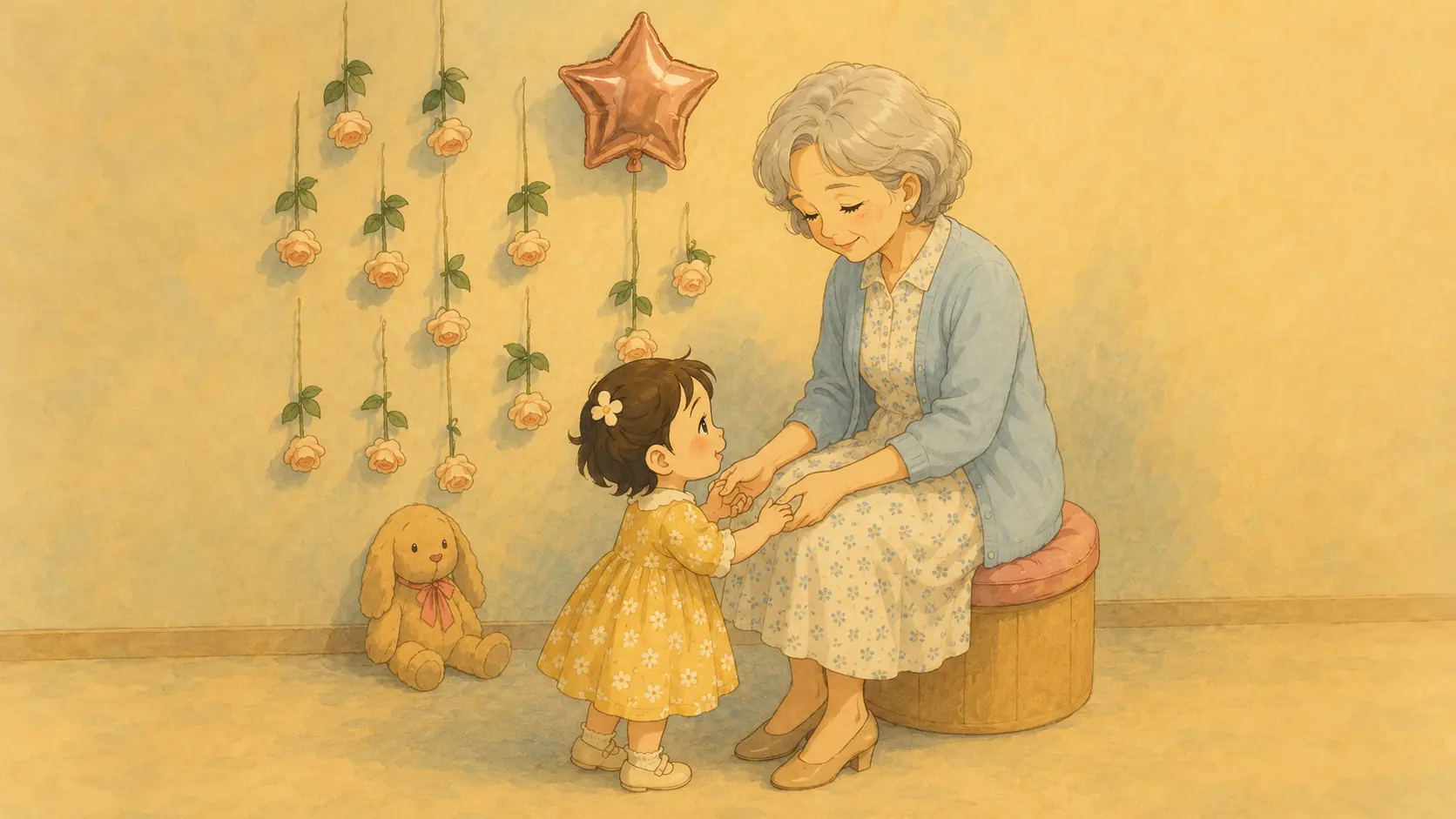
2. When they are scared, they need your hand, not your laughter.
Children are afraid of things adults no longer notice. A dark hallway, a loud toilet, a barking dog, a thunderstorm, a costumed character, a strange bedroom, or the shadow of a coat hanging on a chair can feel completely real and overwhelming to a young mind.
From an adult perspective, the fear may seem irrational. We know there is no monster under the bed. We know the vacuum cleaner cannot chase them. We know the thunder is not going to enter the house. Because we understand the situation, we may laugh, tease, or tell the child they are being silly.
But fear does not disappear because someone proves it is unreasonable.
Imagine being afraid and hearing the person you trust most laugh at you. The laughter may be harmless in intention, but to the child it can sound like, “Your fear is foolish. Your feelings are embarrassing. You are alone in this.”
Children do not need adults to pretend the danger is real. They need adults to take the emotion seriously, even when the threat is imaginary. A parent can say, “I know that shadow looks scary. Let’s look at it together,” or “Thunder is loud, but we are safe inside. You can hold my hand until it passes.”
That hand becomes more than physical contact. It becomes borrowed courage.
Children are not born knowing how to calm themselves. They learn through repeated experiences of being calmed by someone else. When a trusted adult stays steady, the child’s body slowly learns, “Fear can rise, and fear can pass. I can feel afraid without being abandoned.”
Many adults still remember being teased for childhood fears. Perhaps a sibling locked them in a closet while everyone laughed. Maybe a parent forced them to approach an animal they were terrified of. Maybe they were called a baby in front of others. The event may have seemed small to the adults present, but the shame sometimes remained long after the fear itself disappeared.
Courage does not grow from humiliation. It grows from safety.
A child who is gently supported can eventually face what once frightened them. The child who is mocked may learn only to hide the fear. They may appear brave while their body remains anxious inside.
This matters because childhood fears eventually become adult fears. The monster under the bed becomes fear of rejection, failure, illness, change, or losing someone we love. No parent can protect a child from every frightening experience. But parents can give them an inner message to carry into those experiences: “Being afraid does not mean I am weak. I can ask for help. I do not have to face this alone.”
Grandmothers often understand this differently after watching their own grown children move through hardship. We wish we had known that building courage was less about pushing children forward and more about standing beside them while they took the next step.
Sometimes the bravest thing a child does is enter a new classroom while holding back tears. Sometimes it is sleeping in their own bed after a nightmare. Sometimes it is admitting they broke something, speaking in front of a group, or trying again after an embarrassing failure.
Do not laugh at the trembling voice. Do not shame the hesitation. Offer your hand.
Eventually, they will loosen their grip and walk on their own. That is the goal. But before children can become independent, they need to know that depending on someone trustworthy is not a weakness.
3. When they are angry, they need to be heard, not yelled at.
Anger in children can be difficult to tolerate because it often arrives loudly. It may come through stomping, arguing, crying, crossed arms, harsh words, or a bedroom door pushed harder than necessary. Adults can interpret this behavior as disrespect and respond with even greater volume.
Soon, the child is yelling because they feel unheard, and the parent is yelling because they feel disrespected. Both are trying to regain control, but neither is truly listening.
Children need to learn that anger does not excuse cruelty, destruction, or aggression. They must be taught that they cannot hit, insult, threaten, or harm others simply because they are upset. But before they can learn what to do with anger, they need help understanding what the anger is trying to communicate.
Anger is often a protective emotion. Beneath it may be embarrassment, sadness, jealousy, powerlessness, fear, or a sense of unfairness. A child who says, “I hate you,” may really mean, “I am hurt that you said no,” “I feel like you do not understand me,” or “I do not know how to handle this disappointment.”
That does not make the words acceptable. But hearing what lies beneath them allows a parent to correct the behavior without rejecting the child.
A calm response might sound like, “I can see that you are very angry. I will listen, but I will not allow you to speak to me that way.” This holds both connection and authority. It tells the child, “Your feeling is allowed. Harmful behavior is not.”
Yelling usually teaches children to fear the adult’s anger rather than understand their own. They may obey in the moment, but obedience caused by fear is different from self-control built through guidance. When the adult is absent, the lesson may disappear because the child never learned how to recognize, name, and manage what was happening inside.
Being heard does not mean the child gets the final decision. Parents remain responsible for setting limits. A child can explain why they believe a rule is unfair, and the rule can still remain. But the experience of being listened to helps preserve dignity.
Every person, regardless of age, wants to feel that their perspective matters. Adults become frustrated when someone dismisses us before we finish speaking. Children feel the same frustration, but they have fewer skills to express it appropriately.
Grandmothers often notice something parents cannot see during the busiest years: many arguments that feel urgent today will not matter ten years from now. The exact disagreement may be forgotten. What may remain is whether the child felt safe bringing difficult feelings to the parent.
As children grow, their anger becomes more complicated. They may be angry about family conflict, social pressure, school expectations, body changes, injustice, or decisions they do not understand. If they learned early that anger brings shouting and punishment, they may stop talking. The silence can look like peace, but sometimes it is distance.
Listening does not weaken parental authority. It strengthens trust.
When a child feels heard, they are more likely to hear the parent in return. Calm is not surrender. It is leadership. It demonstrates that strong emotions do not have to control the room.
A child who watches an adult manage anger with steadiness receives a lesson no lecture can provide. They learn that it is possible to be firm without being cruel, disappointed without being rejecting, and angry without becoming unsafe.
4. When they are having a tantrum, they need calm, not punishment.
A tantrum is often treated as a deliberate performance designed to embarrass or control the parent. Sometimes children do test limits, and parents should not reward screaming by immediately giving in. But many tantrums are not carefully planned acts of rebellion. They are moments when a young child’s developing brain becomes overwhelmed.
The child may be tired, hungry, overstimulated, disappointed, confused, or unable to communicate what they need. Their emotional system takes over before their reasoning system is mature enough to regain control.
This is why explanations rarely work in the middle of a meltdown. The child cannot absorb a long lecture while screaming on the floor. Threats may make the body even more distressed. Punishment may stop the public display through fear, but it does not teach the child what to do differently next time.
What children need first is a calm adult.
That does not mean allowing the child to destroy property, hit others, or control the family through screaming. The parent may need to move the child to a quieter place, block unsafe behavior, or end an activity. But the adult’s steadiness sends an important message: “I will not let you hurt anyone, and I will not become frightening because you have lost control.”
Children borrow the nervous system of the adult near them. When the parent becomes louder, faster, and more threatening, the child’s distress often increases. When the parent slows down, lowers their voice, and reduces stimulation, the child has a better chance of returning to calm.
This is incredibly difficult in public. People stare. Some judge. Older generations may whisper that children were never allowed to behave that way in their day. A parent may feel humiliated, angry, or desperate to prove they are in control.
Grandmothers should remember this before criticizing. We may have forgotten our own children’s hardest moments, or the culture may have expected us to silence them through methods we now understand differently. Instead of judging a struggling parent in a grocery store, perhaps we can offer a kind expression, create space, or say, “You are doing all right. We have all been there.”
For parents, the goal during a tantrum is not to win a battle. It is to keep everyone safe and guide the child back to regulation. The teaching comes later, when the child can think again.
Afterward, a parent might say, “You were very upset because we could not buy the toy. It is okay to feel disappointed, but it is not okay to kick the cart. Next time, you can tell me, ‘I’m angry,’ or ask for a hug.”
This does not create immediate perfection. Emotional regulation is built through repetition. A child may need the same lesson dozens of times before they can use it independently.
Adults sometimes forget that we also have tantrums, only ours look more socially acceptable. We slam cabinets, send angry messages, raise our voices in traffic, withdraw affection, or complain for hours. Yet we expect a four-year-old to handle disappointment with skills many grown adults are still learning.
Calm parenting is not passive parenting. It requires more strength than punishment because the adult must regulate themselves while guiding the child. It means refusing to turn a difficult moment into a contest of power.
A child will not always remember what caused the tantrum. But repeated experiences of being guided rather than shamed help build an inner voice that says, “Big feelings are manageable. I can calm down. I can repair what happened. I am not a bad person because I had a hard moment.”
That inner voice may become one of the greatest gifts a parent gives.
5. When they fail, they need their effort recognized, not comparisons.
Failure hurts at every age. For a child, it can feel especially personal because they are still forming their identity. A low grade, a lost game, a rejected audition, a difficult subject, or an unsuccessful attempt may quickly become, “I am stupid,” “I am not talented,” or “I will never be good enough.”
In those moments, comparison often deepens the wound.
“Your sister never had trouble with this.”
“Look how well your friend did.”
“When I was your age, I could already do that.”
Parents may believe comparisons will motivate improvement. Occasionally, a child may work harder out of competition or fear. But repeated comparison often teaches a more damaging lesson: love, approval, and belonging are connected to being better than someone else.
Children begin measuring their worth against siblings, classmates, cousins, or even the parent’s childhood story. Instead of asking, “What can I learn?” they ask, “Why am I not like them?”
Every child develops differently. One may read early and struggle socially. Another may be athletic but find mathematics difficult. One may be confident in public and anxious in private. Another may need more time, more repetition, or a different method of learning.
Recognizing effort does not mean offering empty praise for everything. Children can sense insincerity. It means noticing persistence, courage, improvement, responsibility, and willingness to try.
“You kept working even when that was difficult.”
“I saw how much you practiced.”
“You did not get the result you hoped for, but you handled the disappointment with maturity.”
“What do you think you learned from this attempt?”
These responses help separate performance from identity. The child learns, “I failed at something, but I am not a failure.”
Grandmothers often see the long view more clearly. We know that the child who struggles in school may later become a compassionate leader, a skilled tradesperson, an artist, a devoted parent, or someone with wisdom that cannot be measured by a test. We know that trophies gather dust, grades fade from memory, and the person a child becomes matters far more than whether they were always the best.
We also know that children do not forget being compared.
Adult siblings may still carry old labels: the smart one, the difficult one, the responsible one, the pretty one, the athletic one, the sensitive one. These labels can follow people for decades, shaping family relationships long after the original comparisons were spoken.
Parents should challenge children, but the challenge should be connected to the child’s own potential, not another person’s achievements. Ask, “Did you give your honest effort? What can you improve? What support do you need?” Help them create goals based on growth.
It is also important to allow children to experience disappointment without immediately rescuing them. Recognizing effort does not mean protecting them from every consequence or insisting they deserved to win. It means sitting beside them while they process the loss and helping them find a healthy next step.
Failure can teach humility, resilience, preparation, patience, and courage. But those lessons are difficult to absorb when the child is drowning in shame.
A child who knows they are loved regardless of the outcome becomes more willing to take healthy risks. They can try, fail, learn, and try again without believing every result is a verdict on their worth.
Years later, they may not remember every score. They will remember whether home was the place where failure made them smaller or the place where someone helped them stand again.
6. When they ask questions, they need eye contact, not answers while you are on your phone.
Children ask an astonishing number of questions. Why is the sky blue? Where do birds sleep? Why do people get old? What happens when someone dies? Why can’t I have another cookie? Why does that person look different? Why are you sad?
Some questions are simple. Others arrive at inconvenient moments. A parent may be responding to work messages, checking directions, paying a bill, reading the news, or trying to take five quiet minutes after a demanding day.
Technology is now woven into everyday life. Phones are not automatically signs of neglect. Parents use them for work, safety, education, communication, and managing the family. The problem is not that a parent ever looks at a screen. The problem develops when the child repeatedly receives only a portion of the parent’s attention.
A distracted answer may provide information, but eye contact provides connection.
When a child asks a question, they are not always seeking facts. Sometimes they are asking, “Do you notice me? Am I important enough for you to pause? Can I bring my thoughts to you?”
Looking up, even briefly, changes the interaction. It communicates presence. The parent may say, “I want to hear your question. Give me one minute to finish this message, and then I will put my phone down.” The key is to return as promised.
Children notice broken promises of attention. “In a minute” can quietly become “never,” especially when adults move from one notification to another. Eventually, the child may stop asking.
Grandmothers understand the ache of this because we now miss the questions that once exhausted us. We would gladly hear one more strange observation from the back seat, one more long explanation about a toy, or one more repeated “why.” The silence that comes after children grow up teaches us how precious their interruptions really were.
Eye contact also helps adults understand the question beneath the question. A child who asks, “Are you and Dad getting divorced?” needs more than a quick no while the parent scrolls. A child who asks, “Do you think I’m ugly?” may be revealing that someone at school said something cruel. A child who casually asks about death may be carrying a fear they cannot name.
You see these things in a child’s face. You hear them in the pause, the lowered voice, or the way they avoid looking at you. A screen can hide those details.
Parents do not need to stop everything every time a child speaks. That is neither realistic nor healthy. Children can learn to wait, respect work time, and recognize that adults have responsibilities. But they should also experience regular moments when they have the parent’s full attention.
A few undistracted minutes can carry more emotional weight than an hour spent in the same room while everyone looks at separate devices.
Eye contact tells a child, “You are not competing with the entire world for me right now.”
That message becomes especially important as children grow older and their questions become more sensitive. Teenagers often test the emotional safety of a conversation before saying what they truly mean. They may begin with something small and watch the parent’s reaction.
If the parent is distracted, judgmental, or impatient, the deeper truth may remain hidden.
But if the child has learned, through years of small questions, that the parent will look up and listen, they may be more likely to bring the questions that truly matter.
7. When they tell you a story, they need your enthusiasm, not a distracted “uh-huh.”
Children’s stories are not always efficient. They wander through unnecessary details, repeat themselves, change directions, and include characters the adult has never heard of. A five-minute event can become a twenty-minute explanation.
Busy parents may continue cooking, cleaning, driving, or working while offering an occasional “uh-huh,” “really?” or “that’s nice.” Sometimes that is all the moment allows. But when distraction becomes the usual response, the child begins to sense that their inner world is not very interesting to the people they love most.
To the adult, the story may be about what happened during recess.
To the child, the story is an invitation: “Come into my world for a minute.”
Enthusiasm does not require exaggerated praise or pretending every detail is fascinating. It means showing genuine curiosity. “What happened next?” “How did that make you feel?” “That sounds exciting.” “Were you nervous?” “Tell me more about the part with your teacher.”
These small responses help children organize their experiences. When they tell stories, they are learning language, memory, empathy, and emotional understanding. They are also learning whether the family is interested in who they are becoming.
Grandmothers know the value of stories. As families grow older, stories become the threads connecting generations. We repeat the funny things our children once said, the first-day-of-school disasters, the holiday mistakes, the small acts of kindness, and the moments that revealed their personalities.
What seems ordinary today may become family history tomorrow.
But children also tell stories to test trust. A child may begin with a funny detail before revealing that someone excluded them. They may describe a classroom incident while trying to understand whether they were at fault. They may tell the same story repeatedly because something about it still feels unresolved.
A distracted “uh-huh” can close a door before the important part arrives.
Parents cannot offer complete enthusiasm every moment. Exhaustion is real. Some days, a parent may simply say, “I want to hear this, but my mind is tired right now. Can we talk after dinner when I can listen properly?” Honesty with a follow-through is better than pretending to listen.
The danger is not occasional distraction. It is the pattern that teaches the child to stop expecting interest.
Children who repeatedly feel ignored may become louder, more dramatic, or more demanding in an attempt to secure attention. Others become quiet. They learn to keep their experiences to themselves. By adolescence, parents may wonder why the child no longer shares anything.
Often, the distance did not begin with one dramatic event. It grew through hundreds of small moments when the child offered a piece of their world and felt that no one had time to enter.
One day, parents will ask, “How was your day?” and receive only, “Fine.”
The long stories will be gone.
That is why a child’s enthusiastic retelling of something small deserves more respect than adults often realize. Look at their face. Notice what excites them. Learn the names of the people who matter to them. Laugh when the story is funny. Ask a question that proves you were listening.
You are not merely hearing a story. You are teaching the child that their voice has value.
8. When they make mistakes, they need guidance, not shouting.
Children will spill, break, forget, lose, lie, choose badly, and disappoint us. This is not evidence that parenting has failed. It is evidence that children are still learning.
Adults sometimes react to mistakes as though the child should already possess the judgment of a fully developed adult. We shout, “What were you thinking?” when the honest answer is that the child was not thinking clearly at all. That is one of the reasons they need adults.
Shouting may communicate the seriousness of a mistake, but it can also make the child focus entirely on the parent’s reaction. Instead of thinking, “How can I repair this?” the child thinks, “How can I avoid getting caught next time?”
Fear can produce secrecy.
Guidance produces responsibility.
Guidance begins by separating the child from the behavior. “You made a dishonest choice” is different from “You are a liar.” “That was irresponsible” is different from “You never do anything right.” Words that define the child can become identities they carry.
A guided response asks several important questions: What happened? What were you feeling or trying to achieve? Who was affected? What needs to be repaired? What can you do differently next time?
Consequences may still be necessary. A child who damages something may need to help replace or repair it. A child who misuses technology may lose access for a period. A child who hurts someone may need to apologize and make amends.
But consequences should teach, not merely make the child suffer.
A punishment driven by anger may satisfy the adult’s need to respond, but it does not always connect logically to the behavior. Guidance helps the child understand cause and effect.
Grandmothers often look back on mistakes differently than we did in the moment. The broken vase mattered for a day. The way we reacted may have affected the relationship for years. The bad grade was temporary. The label we attached to the child may have lasted.
We wish we had paused more often before speaking.
A pause does not excuse the behavior. It gives the adult time to respond according to values rather than emotion. A parent can say, “I am very upset, and I need a few minutes before we discuss this.” That is far healthier than releasing every angry thought into the room.
Children also need to see adults repair their own mistakes. Parents will shout sometimes. They will misunderstand, overreact, forget promises, or impose a consequence that was unfair. Admitting this does not destroy authority.
A sincere apology strengthens it.
“I should not have yelled at you. Your choice still needs to be addressed, but I handled my anger poorly. I am sorry.”
That sentence teaches responsibility more powerfully than pretending parents are always right. It shows children that mistakes do not have to be hidden, defended, or denied. They can be acknowledged and repaired.
A child raised with guidance learns to develop an inner conscience. They begin to consider the impact of their actions even when no adult is watching. A child raised mainly through shouting may learn only to avoid the person who shouts.
The goal of discipline is not to create a child who is terrified of making mistakes. It is to raise a person who knows what to do after making one.
9. When they seek attention, they need your time. Just fifteen focused minutes a day can mean everything.
Children are constantly seeking connection, though it does not always look sweet or convenient.
Attention-seeking may look like interrupting, whining, repeating a question, climbing onto a parent’s lap during work, teasing a sibling, making unnecessary noise, or suddenly needing help with something they can normally do alone.
Adults often respond to the behavior without noticing the need beneath it.
The child may not know how to say, “I have missed you,” “I feel disconnected,” “You have been busy all day,” or “I need to know that I still matter to you.”
This does not mean parents must respond to every demand immediately. Children need to learn patience, independence, and respect for other people’s time. But they also need dependable moments of connection that do not have to be earned through perfect behavior.
Fifteen focused minutes can mean everything.
Not fifteen minutes while checking messages. Not fifteen minutes while folding laundry and half listening. Not fifteen minutes while another screen plays in the background.
Fifteen minutes in which the child experiences the parent’s presence.
The activity does not have to be expensive or impressive. Build with blocks. Sit on the floor. Take a short walk. Color a picture. Toss a ball. Listen to music. Drink something together at the kitchen table. Let the child choose a game. Ask about something they care about.
For an older child, focused time may mean sitting at the edge of the bed before sleep, driving without immediately turning on the radio, or sharing a snack after school. The child may not speak deeply every time. The value lies partly in the availability.
Connection often grows through ordinary repetition.
Grandmothers understand this because we have learned that children rarely remember the perfectly planned experiences the way adults expect. They may forget the expensive vacation and vividly remember making pancakes on a rainy morning. They may forget the decorations at a birthday party and remember that someone sat beside them when they felt shy.
Children measure love differently from adults. Adults may think, “I work hard for you. I provide food, a home, clothes, lessons, and opportunities. Of course you know I love you.”
Those sacrifices matter deeply. But children often experience love through attention. To them, time says, “You are not only one more responsibility on my list. I enjoy being with you.”
This distinction matters. Children should not merely feel cared for. They should sometimes feel enjoyed.
There is a tenderness in being watched with delight. When a parent smiles at a child’s joke, notices their drawing, remembers their favorite character, or listens to their made-up song, the child receives a sense of belonging that achievements cannot replace.
Focused time also reduces some attention-seeking behavior. When children trust that connection will come, they may feel less desperate to demand it through disruption. This does not solve every behavioral challenge, but it strengthens the relationship from which guidance becomes more effective.
Parents may object that fifteen minutes is not enough. In one sense, they are right. Children need more than a small scheduled portion of a parent’s presence. But for an overwhelmed family, fifteen reliable minutes can become a meaningful beginning. Quality does not replace quantity entirely, yet focused attention can transform the emotional tone of the time a family already has.
The hardest truth is that one day, children stop seeking attention in the same way.
They stop asking parents to watch.
They stop climbing into laps.
They stop following adults from room to room.
They stop telling every detail.
This independence is healthy, but it can also reveal what was once available and is now gone.
Many grandmothers would give anything for fifteen minutes with the child their grown son or daughter used to be. Not because we do not love the adults they became, but because we finally understand how sacred those ordinary invitations were.
“Watch me.”
“Sit with me.”
“Listen to this.”
“Can we play?”
Those were not interruptions to life.
They were life.
What Grandmothers Hope Parents Will Remember
Every parent will get some of this wrong.
There will be mornings when patience is gone before breakfast. There will be tears met with frustration, questions answered without eye contact, stories only half heard, and mistakes handled more harshly than they deserved. There will be moments when the parent’s own exhaustion, fear, or unresolved pain enters the room.
Good parenting is not measured by never making mistakes.
It is measured partly by the willingness to notice, repair, learn, and return.
Children do not need perfect parents. Perfect parents do not exist. They need adults who are emotionally present often enough to create safety, humble enough to apologize, strong enough to hold boundaries without withdrawing love, and wise enough to recognize the need beneath the behavior.
A hug does not remove authority.
Holding a frightened child’s hand does not make them weak.
Listening to anger does not reward disrespect.
Remaining calm during a tantrum does not mean surrendering control.
Recognizing effort does not mean pretending failure does not matter.
Making eye contact does not require abandoning every responsibility.
Showing enthusiasm for a story does not mean every story is fascinating.
Guiding a mistake does not mean avoiding consequences.
Giving focused time does not mean allowing a child to control the entire day.
These responses are not about raising children without limits. They are about raising children who feel safe enough to learn within those limits.
Grandmothers have the gift and burden of hindsight. We can now see that so many battles we fought were temporary. The messy room was cleaned eventually. The stubborn phase ended. The broken objects were replaced. The difficult school year passed. The public embarrassment was forgotten by everyone else.
What lasted was the relationship.
What lasted was the child’s inner voice.
Did that voice learn to say, “My feelings are dangerous,” or “My feelings can be understood”?
Did it learn, “Fear makes me ridiculous,” or “I can ask for help”?
Did it learn, “Failure means I am less worthy,” or “I can learn and try again”?
Did it learn, “Mistakes make people reject me,” or “Mistakes can be repaired”?
Did it learn, “I have to misbehave to be noticed,” or “There is time and space for me here”?
Parents are shaping that inner voice every day, often without realizing it.
Years from now, children will face rooms their parents cannot enter. They will encounter heartbreak, conflict, disappointment, temptation, grief, and difficult choices. Their parents will not always be present to hold their hands or tell them what to do.
But the voice built during childhood may go with them.
It may sound like the calm parent who said, “Take a breath. We can work through this.”
It may sound like the comforting parent who said, “You are allowed to cry.”
It may sound like the steady parent who said, “You made a mistake, but you are not beyond repair.”
It may sound like the attentive parent who said, “Look at me. I am listening.”
This is the deeper purpose of connection. Parents are not simply helping a child survive one difficult moment. They are giving that child emotional tools to carry into adulthood.
And one day, that child may use the same tools with the next generation.
They may hug their own crying child because someone once hugged them.
They may take a fear seriously because someone once held their hand.
They may listen to anger without becoming cruel because someone once listened to theirs.
They may remain calm during a tantrum because calm was modeled for them.
They may encourage effort instead of comparing because they know how deeply comparison can wound.
They may put down the phone, look into a small face, and listen.
They may laugh with genuine delight at a story that takes far too long to tell.
They may guide mistakes without making love feel uncertain.
They may protect fifteen minutes of focused time because they understand that childhood does not wait.
This is how families heal. Not through one perfect generation, but through each generation becoming a little more aware, a little more tender, and a little more willing to choose connection over control.
The Years Will Answer What Today Cannot
Parenting days can feel endless. The noise, demands, and responsibilities seem as if they will continue forever. Parents may count the hours until bedtime, the days until school begins, or the years until life becomes easier.
But childhood is quietly disappearing during those ordinary days.
One day, the child who cried to be held will wipe their own tears in private.
The child who feared the dark will drive home alone at night.
The child who shouted in anger will have conflicts the parent knows nothing about.
The child who melted down in the grocery store will manage responsibilities of their own.
The child who failed the spelling test will face adult disappointments.
The child who asked endless questions will form beliefs and opinions independently.
The child who told long, confusing stories will decide who gets to hear the truth about their life.
The child who made careless mistakes will make choices with lasting consequences.
The child who begged for attention will build a life beyond the parent’s daily reach.
This is how it is supposed to be. Children grow, separate, and become their own people. Parents cannot stop that process, nor should they try.
But while children are still close, parents have the opportunity to give them something permanent: the experience of being loved with both strength and tenderness.
Grandmothers do not share these lessons because we believe parents should feel guilty. Guilt alone rarely creates lasting change. We share them because we know how much love parents already carry and how easily that love can be hidden beneath exhaustion, urgency, and discipline.
Sometimes love needs to slow down enough to become visible.
It becomes visible in the hug offered during tears.
It becomes visible in the hand extended during fear.
It becomes visible in the decision to listen before shouting.
It becomes visible in the calm adult beside an overwhelmed child.
It becomes visible in encouragement after failure.
It becomes visible when the phone is set down.
It becomes visible in the interested eyes during a child’s story.
It becomes visible through guidance that protects dignity.
It becomes visible in fifteen ordinary, undistracted minutes.
These moments may appear small. But childhood is largely made of small moments. A family’s emotional history is not built only during holidays, emergencies, or major milestones. It is built at kitchen tables, in parked cars, beside messy beds, in grocery aisles, and during conversations that seem unimportant at the time.
Parents will not handle every moment beautifully.
But the next moment is always an opportunity to begin again.
You can return after yelling and apologize.
You can put down the phone and ask the child to repeat the question.
You can go back into the bedroom and listen to the rest of the story.
You can replace comparison with encouragement.
You can turn punishment into a lesson.
You can offer the hug you withheld.
You can sit beside the child and say, “I think I missed what you needed. Let’s try again.”
Those words do not erase every mistake, but they teach something equally important: love knows how to return.
Perhaps that is what every grandmother most wants parents to understand.
The goal is not to raise a child who never cries, fears, becomes angry, loses control, fails, asks inconvenient questions, talks too much, makes mistakes, or seeks attention.
The goal is to raise a child who knows what to do with those human experiences.
A child who knows tears can be shared.
Fear can be faced.
Anger can be expressed without harm.
Overwhelm can be calmed.
Failure can become growth.
Questions can lead to connection.
Stories deserve to be heard.
Mistakes can be repaired.
And love is not something they must earn by becoming easy to raise.
Long after childhood ends, that knowledge will remain.
The toys will disappear. The voices will deepen. The photographs will fade around the edges. Parents will look at grown faces and wonder how the years moved so quickly.
And perhaps the greatest comfort will not be that every parenting decision was right.
It will be knowing that, again and again, when a child reached out in the only way they knew how, someone tried to reach back.